
DbcultAccessing Vault...
Director's Spotlight
Senior Film Conservator
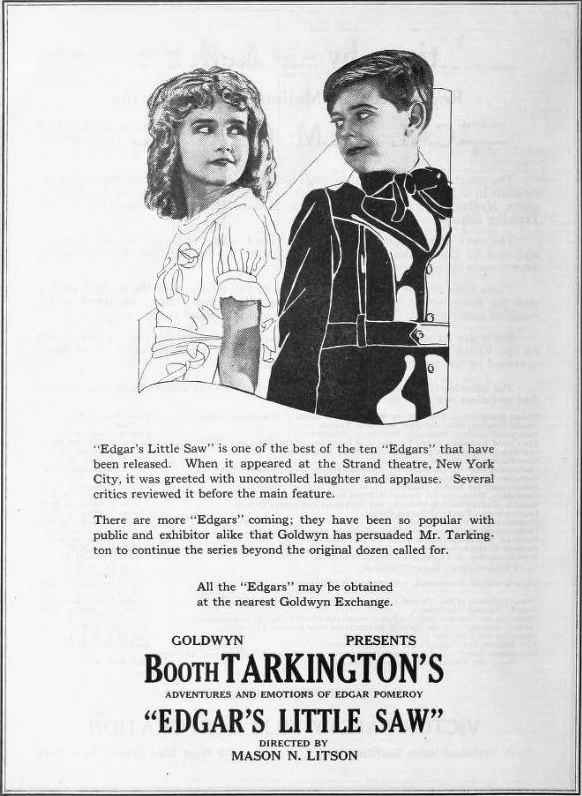
Director's Spotlight: United States
A Deep Dive into the 1920 Vision of E. Mason Hopper
The evocative power of Edgar's Little Saw stems from the unique collaboration between the bold experimentation that has become synonymous with E. Mason Hopper. Framed by the hauntingly beautiful landscapes of the production, it echoes the profound changes occurring in United States during that era.
In Edgar's Little Saw, E. Mason Hopper pushes the boundaries of conventional narrative. The film's unique approach to its subject matter has sparked endless debates and interpretations among cinephiles and critics alike.
To fully appreciate Edgar's Little Saw, one must consider the cinematic climate of 1920. During this period, United States was undergoing significant artistic shifts, and E. Mason Hopper was at the forefront of this Comedy movement, often challenging established norms.
| Cinematography | Deep Focus |
| Soundtrack | Minimalist |
| Editing | Disjunctive |
| Art Direction | Baroque |
Visualizing the convergence of E. Mason Hopper's style and the core Comedy narrative.
Among other Christmas gifts, Edgar receives a tool chest containing a little saw. While he is out displaying some of his other presents to the boy next door, little brother Charlie saws up everything in the house, furniture, hats, and at length attempts operations on the cat. Edgar gets the blame, and is being kept from his sweetheart's party as punishment, when Charlie's guilt is discovered.
Decades after its release, Edgar's Little Saw remains a vital piece of the cinematic puzzle. Its influence can be seen in countless modern works, solidifying E. Mason Hopper's status as a master of the craft in United States and beyond.