
DbcultAccessing Vault...
Director's Spotlight
Senior Film Conservator
Director's Spotlight: United States
A Deep Dive into the 1918 Vision of E. Mason Hopper
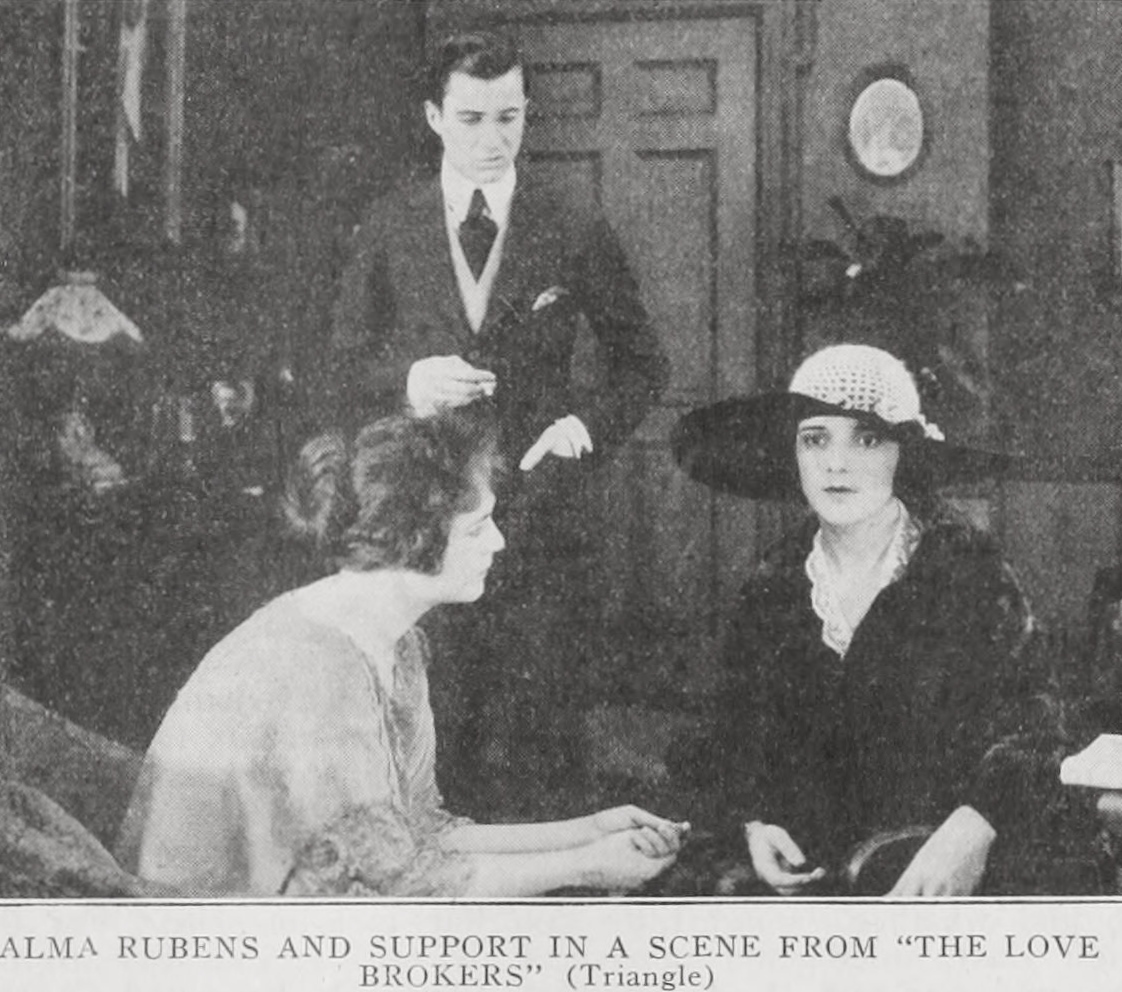
The thematic gravity of The Love Brokers (1918) is rooted in the historical context that E. Mason Hopper weaves into the cult fabric. Synthesizing the best elements of United States and international cinema, it highlights the importance of independent voices in United States.
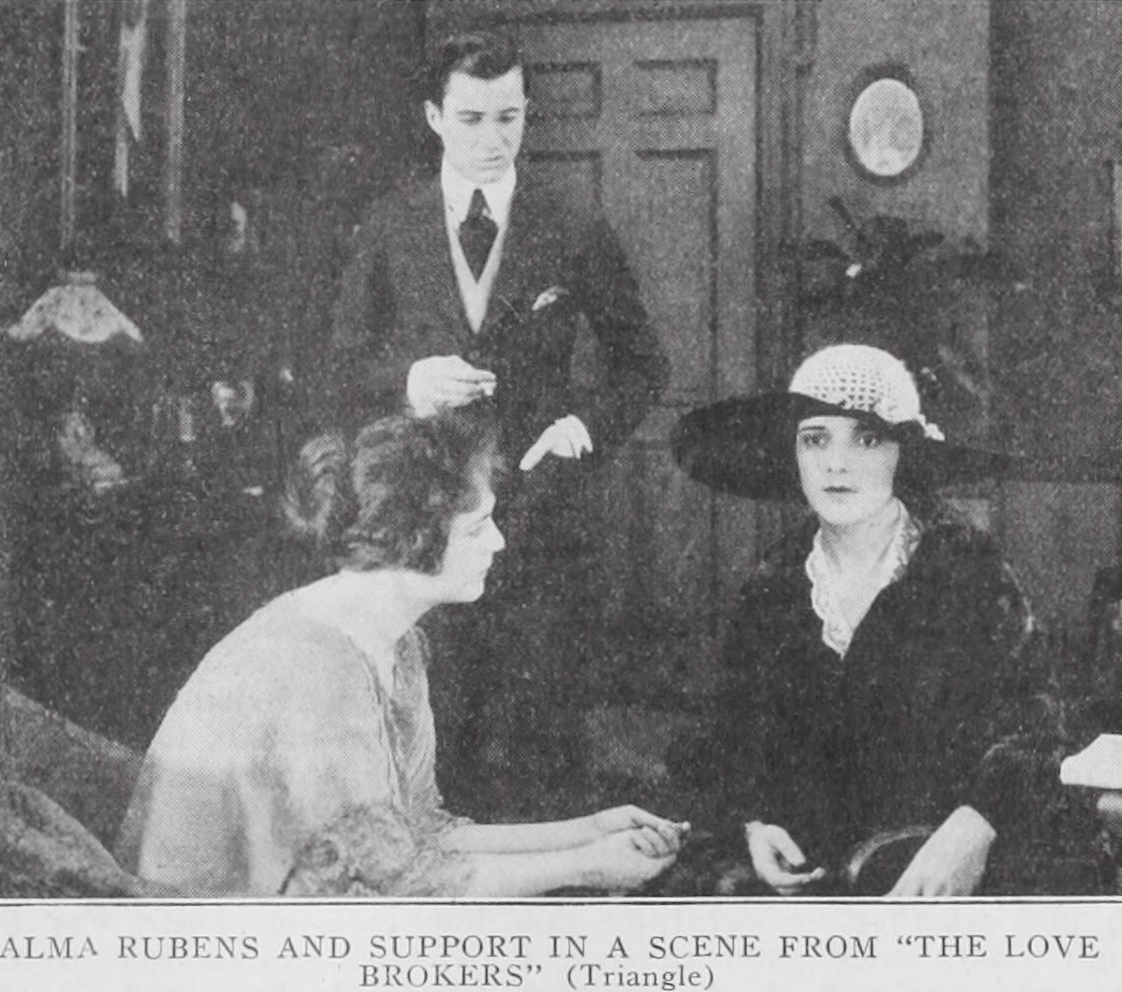
In The Love Brokers, E. Mason Hopper pushes the boundaries of conventional narrative. The film's unique approach to its subject matter has sparked endless debates and interpretations among cinephiles and critics alike.
| Cinematography | Handheld |
| Soundtrack | Experimental |
| Editing | Elliptical |
| Art Direction | Expressionist |
Visualizing the convergence of E. Mason Hopper's style and the core cult narrative.
Charlotte Carter, a young songwriter, moves to New York and settles in the city's Bohemian quarter. When Peter Ladislaw, one of her admirers, confesses that he has forged a number of checks and is in danger of arrest, the good-hearted girl promises to help him. Olga Grey, a dishonest schemer, convinces Charlotte to marry wealthy arts patron Gerard Townshend, who has been injured in an auto accident and is near death. Charlotte consents and the two are wed, but following an operation, Gerard recovers. Ashamed, Charlotte confesses that she married Gerard for his money, and he forgives her. Olga and Peter try to frame them for a divorce, but the couple, now deeply in love, rid themselves of the crooks and begin their marriage again.
Decades after its release, The Love Brokers remains a vital piece of the cinematic puzzle. Its influence can be seen in countless modern works, solidifying E. Mason Hopper's status as a master of the craft in United States and beyond.