
DbcultAccessing Vault...
Director's Spotlight
Senior Film Conservator
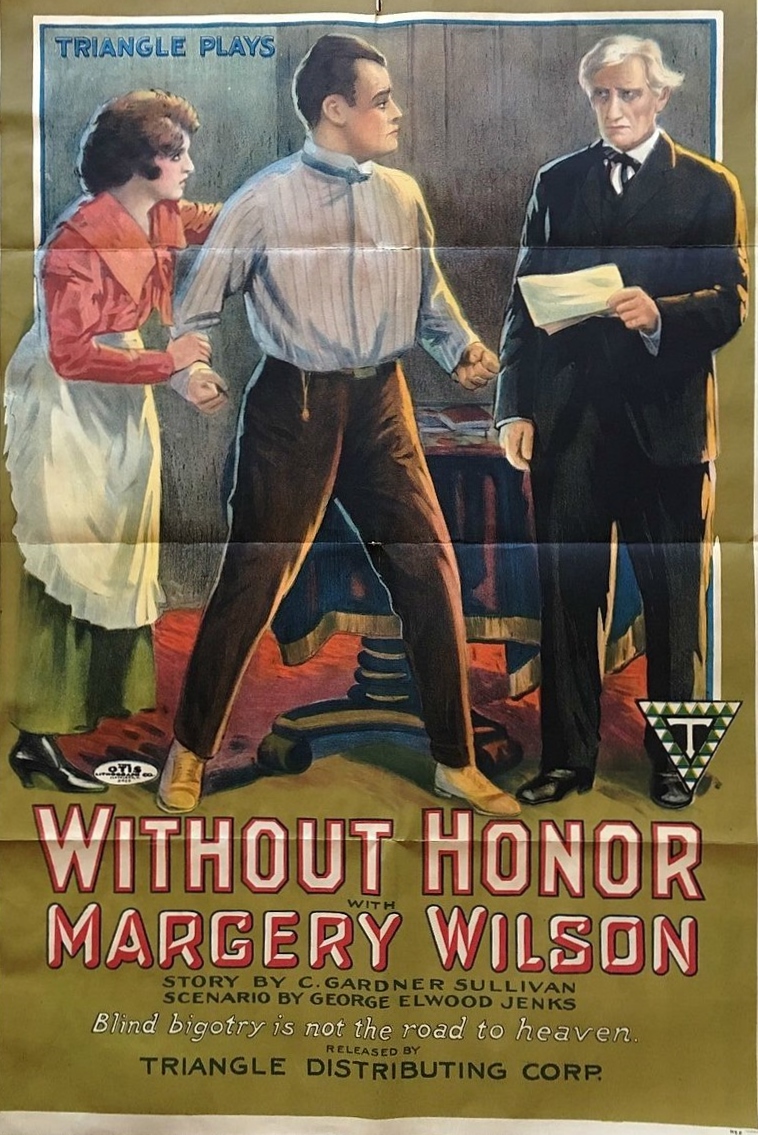
Director's Spotlight: United States
A Deep Dive into the 1918 Vision of E. Mason Hopper
The artistic breakthrough represented by Without Honor in 1918 highlights the philosophical inquiries that E. Mason Hopper embeds within the narrative. Framed by the hauntingly beautiful landscapes of the production, it leaves an indelible mark on the soul of the viewer.
In Without Honor, E. Mason Hopper pushes the boundaries of conventional narrative. The film's unique approach to its subject matter has sparked endless debates and interpretations among cinephiles and critics alike.
To fully appreciate Without Honor, one must consider the cinematic climate of 1918. During this period, United States was undergoing significant artistic shifts, and E. Mason Hopper was at the forefront of this cult movement, often challenging established norms.
| Cinematography | Handheld |
| Soundtrack | Orchestral |
| Editing | Invisible |
| Art Direction | Kitsch |
Visualizing the convergence of E. Mason Hopper's style and the core cult narrative.
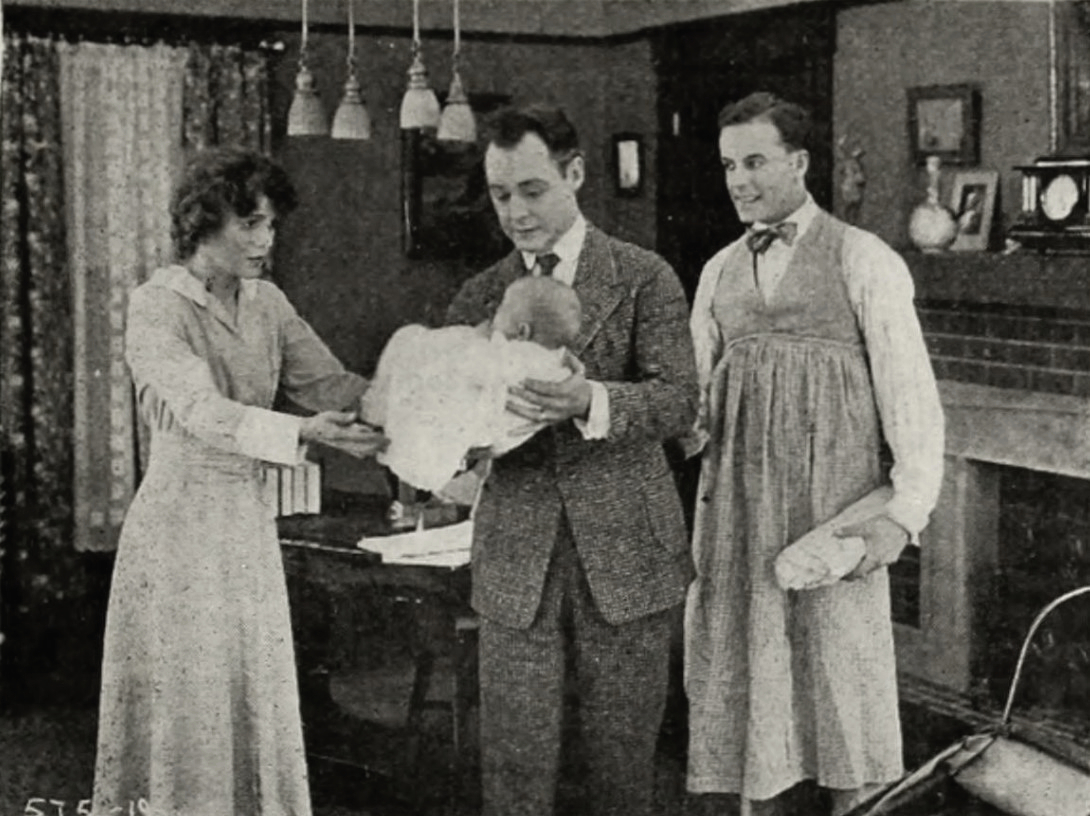
Weak-willed Roy Hanford, driven from his father's house by the coldness of his stone-hearted wife and the sanctimonious attitude of his father, the deacon, flees to the city. There he is befriended by Breeze Ballard, a salesman for the Ajax Hardware Company who arranges for Roy to work in the office. Roy falls in love with the firm's secretary, Jeanie MacGregor, and the two are married. A year later, Roy is happy with his wife and newborn child when his father appears, accompanied by an officer carrying a warrant that charges Roy with bigamy. To save himself from the penitentiary, Roy denies the marriage and deserts Jeanie. Jeanie follows her drunken husband, who falls from a cliff and dies. She then becomes a target for the hypocritical deacon who attempts to rally the villagers to drive her from town. The deacon is defeated by the appearance of Breeze, who produces proof of Jeanie's marriage and pledges his own love to her.
Decades after its release, Without Honor remains a vital piece of the cinematic puzzle. Its influence can be seen in countless modern works, solidifying E. Mason Hopper's status as a master of the craft in United States and beyond.