
DbcultAccessing Vault...
Film History
Senior Film Conservator

We like to pretend that the 'Eat the Rich' subgenre is a product of our modern anxiety, a reaction to the hyper-wealth of the tech age. But if you look at the nitrate-stained reels of the 1910s and 20s, you’ll find that cult cinema’s obsession with the elite didn't start with social satire. It started with a darker, more clinical fascination: the idea of the millionaire as a social engineer. These weren't just stories of greed; they were blueprints for human manipulation, depicting the wealthy not as mere beneficiaries of capitalism, but as amateur gods experimenting on the lower classes and their own fractured families.
The cult of the 'social experiment'—where a powerful figure isolates and breaks individuals to prove a point—is the backbone of everything from The Menu to Saw. Yet, the DNA of this trope is found in the 'unscrupulous methods' of the oil kings and mad aristocrats of the silent era. These films are often dismissed as simple melodramas, but they possess a cold, almost forensic interest in how power can reshape reality. They are the true ancestors of the transgressive cult mindset.

In the 1915 film The Money Master, we meet John J. Haggleton, the self-proclaimed 'oil king of the world.' The film doesn't shy away from his brutality. During his rise to power, Haggleton’s methods are described as purely 'unscrupulous.' This isn't just a business biography; it is a horror story about the erosion of the human soul in the pursuit of a global monopoly. Haggleton doesn't just want wealth; he wants to be the master of the very elements of life.
The real cult energy of The Money Master lies in the domestic fallout. His wife learns to hate his 'dishonesty,' not because of the money itself, but because of the way his power turns their private life into a transaction. Haggleton represents the first 'technocratic villain' of cinema—a man who believes that because he can control the flow of oil, he can control the flow of human emotion. It’s a bleak, cynical take on the American Dream that feels far more honest than the polished corporate thrillers of the 1980s. Haggleton is a monster of efficiency, a man who has replaced his heart with a ledger.

If The Money Master shows us the cold logic of wealth, the 1921 comedy-thriller The Lunatic at Large offers a more chaotic vision of the elite. Here, a 'rich madman' escapes from an asylum and proceeds to save a lady from a Danish baron. The film is played for laughs, but the underlying subtext is deeply unsettling: in the world of the ultra-wealthy, the line between madness and heroism is purely a matter of who owns the asylum.
The rich are never truly insane; they are merely eccentric until their money runs out. The Lunatic at Large suggests that the elite use madness as a playground, a place where they can escape the boredom of their own influence.
This film is a direct ancestor to the 'unreliable billionaire' trope we see in modern cult cinema. The protagonist’s insanity is his superpower; it allows him to bypass the social norms that the Danish baron uses to hide his villainy. It is a debatable point, but I would argue that The Lunatic at Large is one of the first films to suggest that the only way to beat a corrupt system is to be fundamentally broken yourself. Sanity is presented as a bourgeois construct, a cage for the middle class, while the rich are free to wander the halls of madness at their leisure.
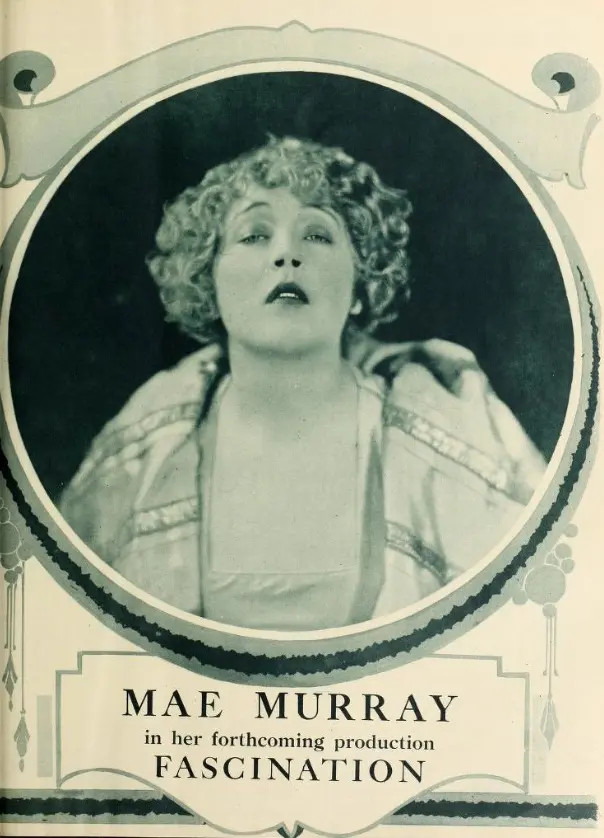
Nowhere is the 'social engineering' aspect of early cinema more evident than in Lois Weber’s 1920 drama To Please One Woman. The film features a 'vampire' figure—not a literal bloodsucker, but a seductive woman who leads 'otherwise decent men' astray. While the film is often framed as a cautionary moral tale, its execution is far more sinister. The 'vampire' is a catalyst for social collapse; she is a wrench thrown into the machinery of the community.
This isn't just about sex; it’s about the vulnerability of the social order. Weber’s direction highlights the fragility of these men, showing how easily their 'decency' is dismantled. It mirrors the way modern cult horror treats its victims—as subjects in a lab. Similarly, in Steele of the Royal Mounted (1925), we see the wealthy Philip Steele manipulated through a manufactured jealousy game. Isobel Becker introduces her father as her husband just to see how Steele will react. This is emotional engineering as a parlor game. The wealthy don't just possess things; they possess the narratives of those around them. They treat human relationships like a game of chess where the pieces don't know they're being moved.
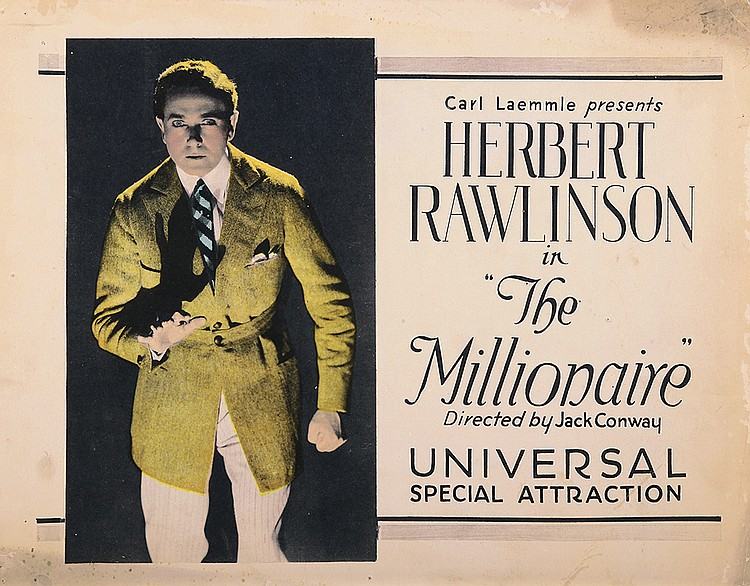
In Behind Masks (1921), we see the 'social experiment' take the form of a forced marriage. Jeanne, an orphaned heiress, is being auctioned off by her aunt. The cruelty here is clinical. The aunt isn't just greedy; she is an architect of Jeanne’s misery, constructing a reality where the girl has no agency. This theme of 'wealth as a cage' is echoed in The Yankee Girl (1915), where a yacht race for a copper concession becomes a theater for political intrigue. These films suggest that for the elite, life is a series of high-stakes performances where the losers are erased from history.
Perhaps the most uncomfortable example of social engineering in the silent era is the 1929 film Redskin. Richard Dix plays Wing Foot, a Navajo who is 'educated' in an all-white school. The film is often praised for its technical achievements—using Technicolor for the Navajo scenes and sepia for the white world—but beneath the surface, it is a brutal look at the failure of social engineering. The whites want to 'civilize' him; the Navajos disown him. Wing Foot is a man whose identity has been surgically removed by an educational system that treats humans like clay.
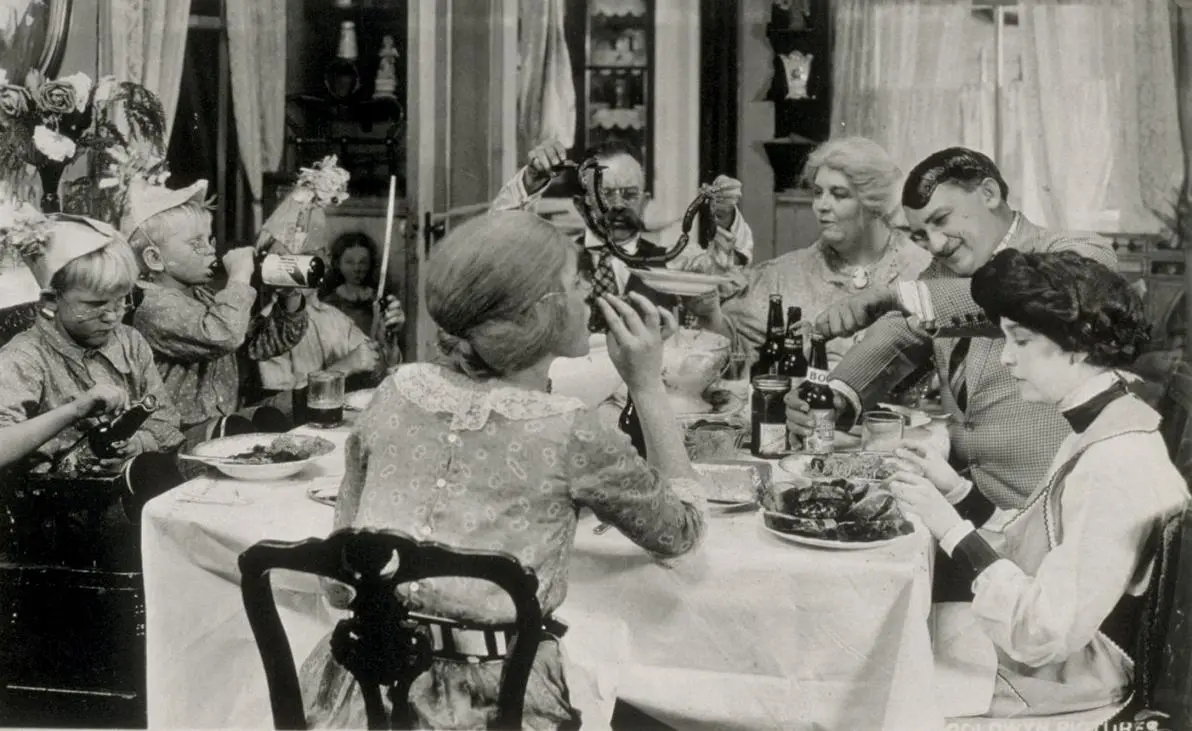
I will take a clear stance here: Redskin is not a Western; it is a film about the horror of the 'managed self.' The 'prejudice' Wing Foot experiences is the result of a deliberate experiment in cultural erasure. Unlike the more optimistic assimilation stories of the era, Redskin feels like a document of trauma. It highlights the arrogance of the social engineer—the belief that you can take a human being, put them through a specific 'process,' and produce a predictable outcome. The resulting 'fragmented self' is a recurring theme in cult cinema, from the brainwashed assassins of the 70s to the synthetic souls of modern sci-fi.
The 1925 serial The Scarlet Streak introduces us to the ultimate social engineering tool: the death ray. A group steals this weapon not for conquest, but to 'terrorize the world into peace.' This is the 'logic of the tyrant' in its purest form. It is the belief that humanity is so fundamentally broken that only the threat of total annihilation can keep it in line. This is the exact same philosophy held by every cult leader and cinematic supervillain who claims they are 'saving' humanity by destroying its freedom.
The cult appeal of The Scarlet Streak lies in its recognition of the 'machine' as the new god. The death ray is a scientific miracle used for a moral atrocity. It bridges the gap between the medical horrors of the 19th century and the atomic paranoias of the 20th. The 'social engineering' here has moved from the boardroom to the laboratory, but the goal remains the same: the total control of the human collective. When the inventor and his daughter try to retrieve the ray, they aren't just fighting thieves; they are fighting a vision of a world where peace is just another word for submission.
We often look back at the silent era through a nostalgic haze of slapstick and sentimentality. But the films discussed here—The Money Master, The Lunatic at Large, Redskin—reveal a much more cynical heartbeat. They show us a world where the elite are not just wealthy, but dangerous. They are the original architects of the 'social experiment' genre, creating a cinematic language for our fear of being manipulated by powers we cannot see.
The transgressive nature of these films isn't found in their violence or their 'vice,' but in their willingness to show the wealthy as clinical sociopaths. They understood, long before we did, that the ultimate luxury isn't gold or oil—it’s the ability to play with the lives of others just to see what happens. If you want to understand the roots of modern cult cinema’s obsession with social control and elite conspiracy, stop looking at the 1970s. Look at the silent era, where the laboratory of the millionaire was first built, and the rest of us were first cast as the lab rats.