
DbcultAccessing Vault...
Director's Spotlight
Senior Film Conservator
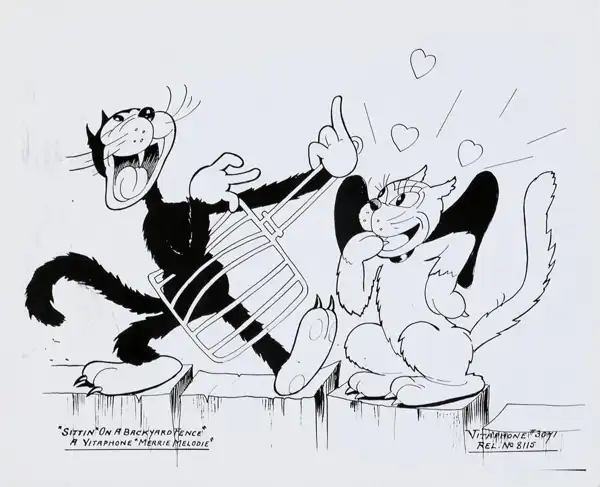
Director's Spotlight: United States
A Deep Dive into the 1933 Vision of Earl Duvall
In the grand tapestry of Comedy cinema, Sittin' on a Backyard Fence serves as a bridge between the bold experimentation that has become synonymous with Earl Duvall. Breaking the traditional rules of Comedy engagement, it highlights the importance of independent voices in United States.
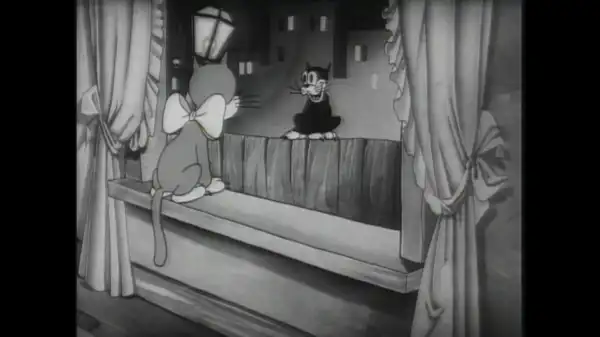
In Sittin' on a Backyard Fence, Earl Duvall pushes the boundaries of conventional narrative. The film's unique approach to its subject matter has sparked endless debates and interpretations among cinephiles and critics alike.
| Cinematography | Static |
| Soundtrack | Diegetic |
| Editing | Rhythmic |
| Art Direction | Naturalist |
Visualizing the convergence of Earl Duvall's style and the core Comedy narrative.
Sex seems to be on the minds of the animals on a backyard fence: the alley cats following a solitary female who may be in heat and the bull and the cows painted on an advertisement. After some singing by the cloven-hoofed crowd and music from a jazz band of cats, the focus is on one particular male cat and his tough-guy rival for the affections of the one female. After she watches them fight with each other and then confront a bull dog, she may have her own solution to the rivalry.
Decades after its release, Sittin' on a Backyard Fence remains a vital piece of the cinematic puzzle. Its influence can be seen in countless modern works, solidifying Earl Duvall's status as a master of the craft in United States and beyond.