
DbcultAccessing Vault...
Director's Spotlight
Senior Film Conservator
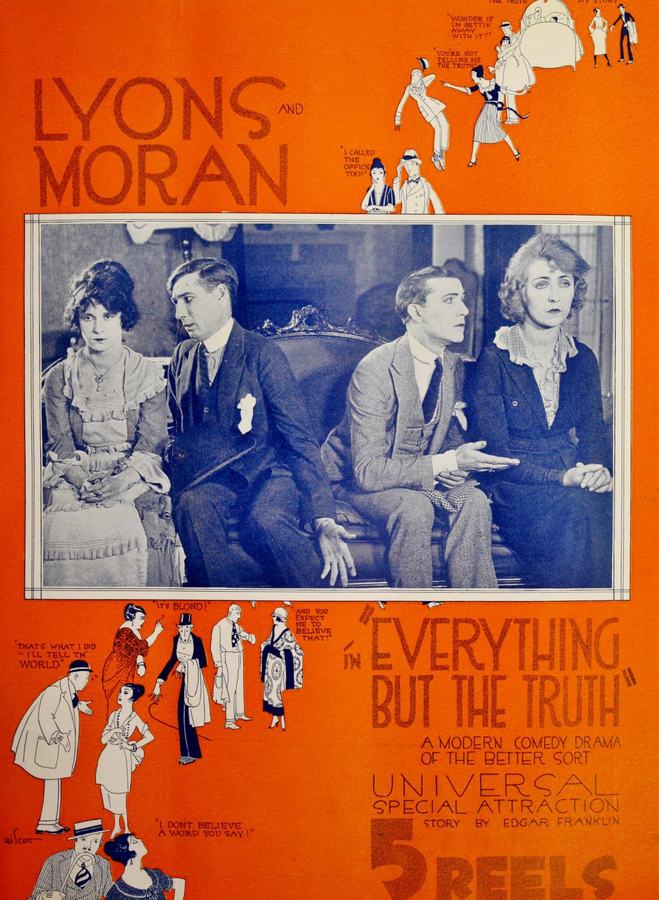
Director's Spotlight: United States
A Deep Dive into the 1920 Vision of Eddie Lyons
When we examine the cinematic landscape of United States, Everything But the Truth emerges as a landmark work of the enduring legacy of Eddie Lyons's artistic contribution to the genre. Through a lens of existential fatalism and Comedy tropes, it captures a specific kind of cinematic magic that is rarely replicated.
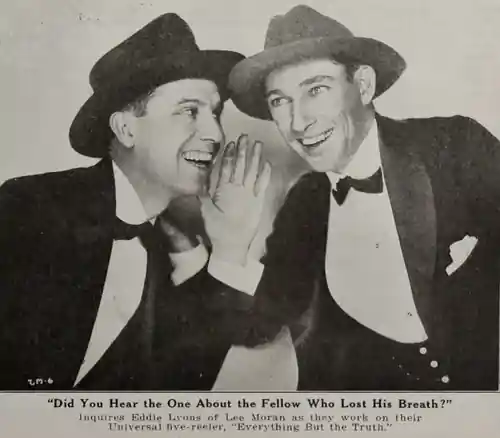
In Everything But the Truth, Eddie Lyons pushes the boundaries of conventional narrative. The film's unique approach to its subject matter has sparked endless debates and interpretations among cinephiles and critics alike.
| Cinematography | Static |
| Soundtrack | Minimalist |
| Editing | Disjunctive |
| Art Direction | Baroque |
Visualizing the convergence of Eddie Lyons's style and the core Comedy narrative.
Although the Hervey oil company is nearly bankrupt, owner Bill Hervey is unconcerned because he is about to be married to Helen Gray and can think of nothing else. One day, while visiting his newly purchased home in the suburbs, he meets his neighbor, newlywed Annabelle Eaton, who asks Bill for a ride to a nearby chicken farm. Bill agrees, but when they reach the farm, they are locked in a room by a lunatic and forced to remain there overnight. When they finally escape the next day, the two are hard-pressed to explain to their respective mates where they have spent the night, until a doctor comes along and explains that the lunatic was his patient and that he will pay damages for their inconvenience. With this satisfactory explanation, the couples are reconciled, and the damages Bill collects save his company.
Decades after its release, Everything But the Truth remains a vital piece of the cinematic puzzle. Its influence can be seen in countless modern works, solidifying Eddie Lyons's status as a master of the craft in United States and beyond.