
DbcultAccessing Vault...
Director's Spotlight
Senior Film Conservator
Director's Spotlight: United States
A Deep Dive into the 1922 Vision of Edgar Kennedy
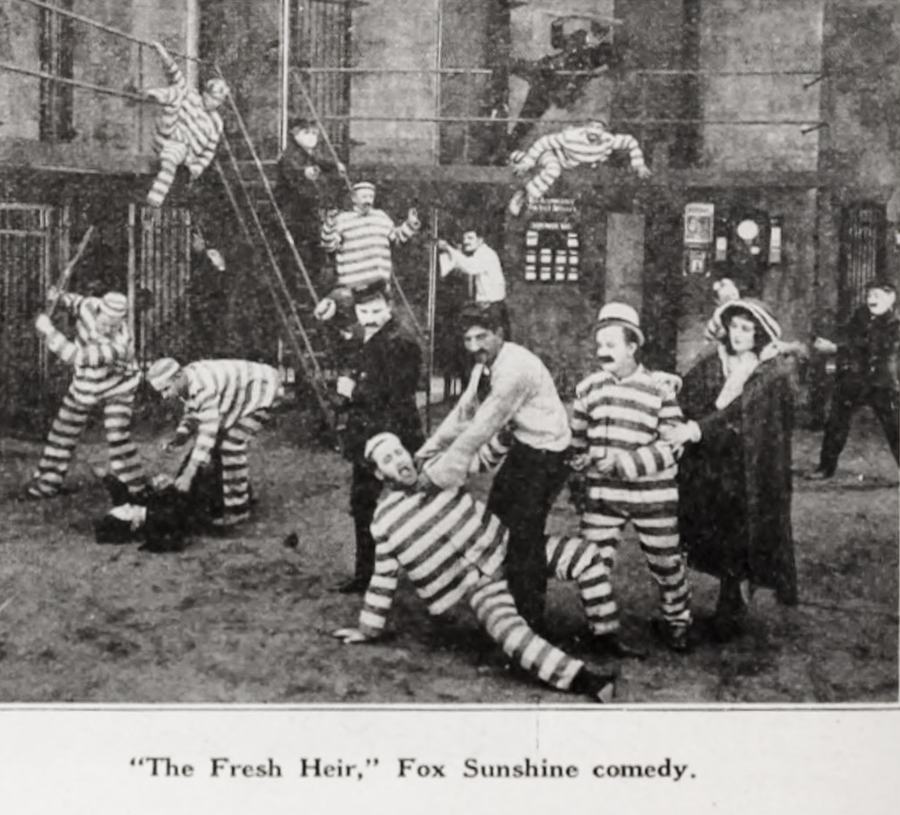
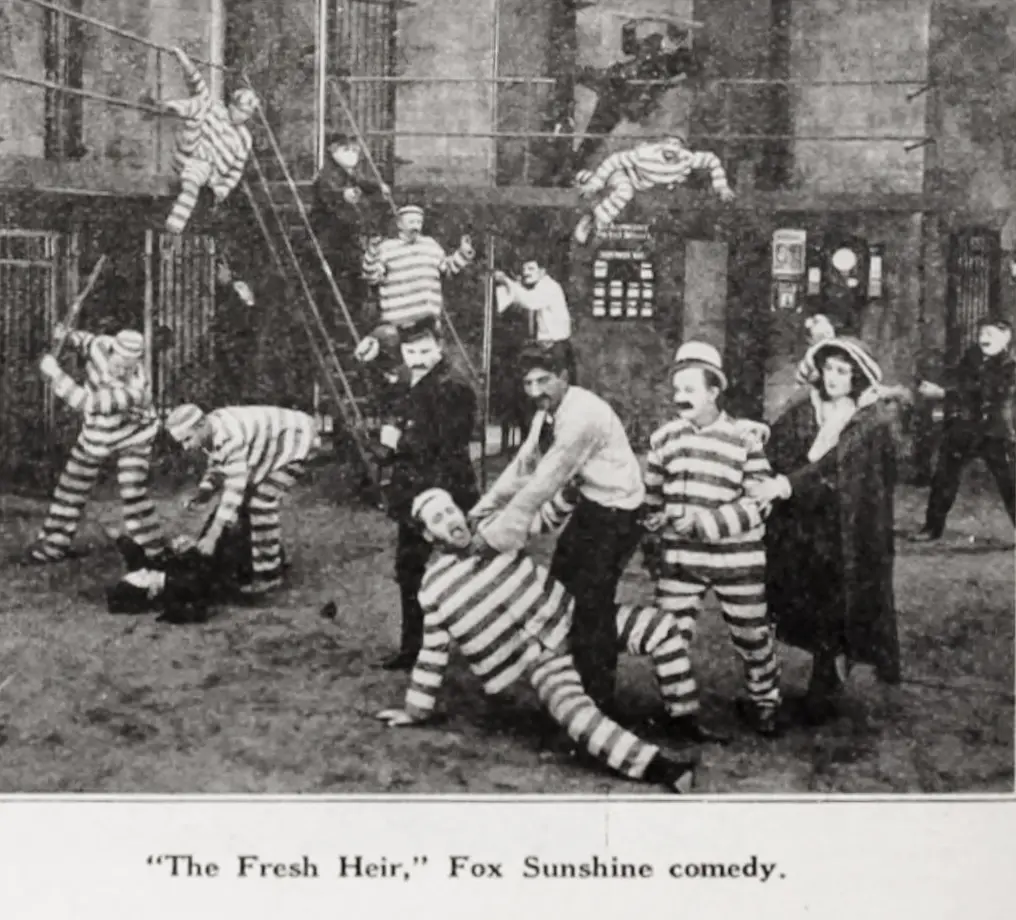
To understand the modern evolution of United States film, one must first look at The Fresh Heir and the collaborative alchemy between Edgar Kennedy and the 1922 creative team. Subverting the expectations of the typical 1922 audience, it remains a vital reference point for anyone studying the evolution of Edgar Kennedy.
In The Fresh Heir, Edgar Kennedy pushes the boundaries of conventional narrative. The film's unique approach to its subject matter has sparked endless debates and interpretations among cinephiles and critics alike.
While deeply rooted in United States, The Fresh Heir has achieved a global reach, influencing directors from various backgrounds. Its ability to translate Comedy tropes into a universal cinematic language is why it remains a cult staple decades after its 1922 release.
| Cinematography | Static |
| Soundtrack | Orchestral |
| Editing | Invisible |
| Art Direction | Kitsch |
Visualizing the convergence of Edgar Kennedy's style and the core Comedy narrative.
A swindler applies for a place in heaven. He is rejected by St. Peter and hurled to earth in very human style by one of the archangels. His real home, it proves, is in jail. With the aid of a dog, who is in for stealing bones, he makes his escape from prison, thereupon learning that he has fallen heir to a vast sum of money left by his uncle. The money is concealed in the lining of a checked suit which he unwittingly throws out of the window. The rest of the picture shows how he pursues various checked suits in an attempt to get the right one and how finally the dog brings it home.
Decades after its release, The Fresh Heir remains a vital piece of the cinematic puzzle. Its influence can be seen in countless modern works, solidifying Edgar Kennedy's status as a master of the craft in United States and beyond.