
DbcultAccessing Vault...
Director's Spotlight
Senior Film Conservator
Director's Spotlight: United States
A Deep Dive into the 1920 Vision of Edgar Lewis
The 1920 release of Lahoma marked a significant moment for the enduring legacy of Edgar Lewis's artistic contribution to the genre. By challenging the status quo of 1920 cinema, it has cemented its place in the global cult cinema archive.
In Lahoma, Edgar Lewis pushes the boundaries of conventional narrative. The film's unique approach to its subject matter has sparked endless debates and interpretations among cinephiles and critics alike.
The visual language of Lahoma is defined by its use of shadows and framing, a hallmark of Edgar Lewis's style. By utilizing a 1920-era palette, the film creates an immersive experience that perfectly complements its Drama themes.
| Cinematography | Deep Focus |
| Soundtrack | Experimental |
| Editing | Invisible |
| Art Direction | Kitsch |
Visualizing the convergence of Edgar Lewis's style and the core Drama narrative.
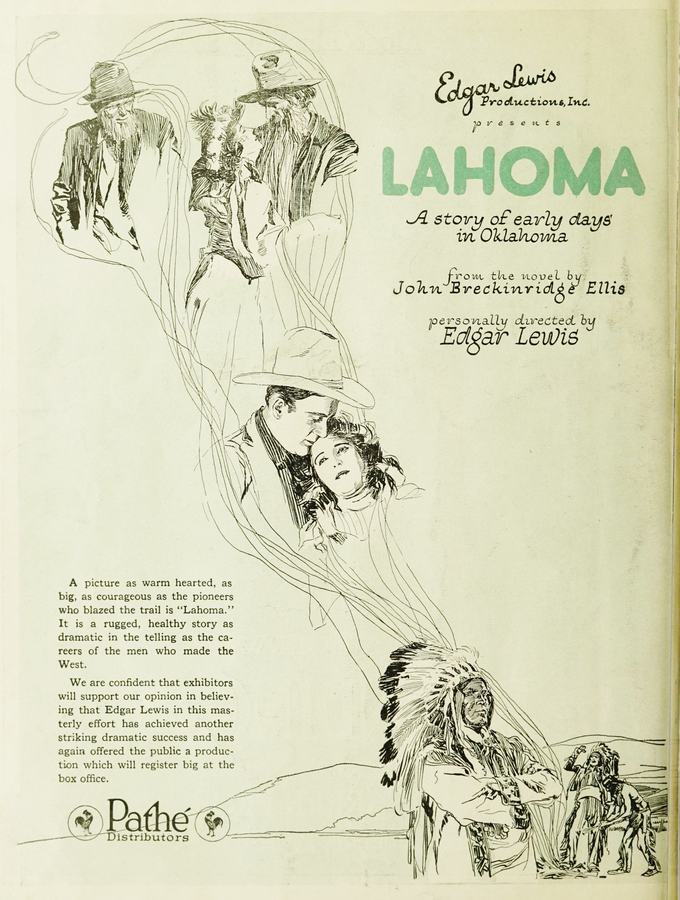
In Oklahoma, kindhearted outlaw Brick Willock rescues little Lahoma Gledware and her father Henry from certain death at the hands of his outlaw band. In the course of the rescue, he kills Kansas Kimball, the brother of the outlaws' leader Red Kimball, who vows vengeance against Brick. Brick renounces his life of crime, and after Gledware relinquishes custody of his daughter to marry an Indian princess, the old cowboy gives refuge to the little girl, raising her with the help of neighbor Bill Atkins. Years later Easterner Will Compton comes to Oklahoma to homestead, meets Lahoma and falls in love with her, but is forced to leave by Brick. While visiting Kansas City, Lahoma overhears Kimball plotting to kill Brick by swearing out a phony warrant for his arrest, but she foils his plan. Outwitted, Kimball takes revenge into his own hands and shoots Brick, only to fall in his tracks from Brick's own gun as the old outlaw breathes his last breath. Will returns to console Lahoma and the couple are married.
Decades after its release, Lahoma remains a vital piece of the cinematic puzzle. Its influence can be seen in countless modern works, solidifying Edgar Lewis's status as a master of the craft in United States and beyond.