
DbcultAccessing Vault...
Director's Spotlight
Senior Film Conservator
Director's Spotlight: United States
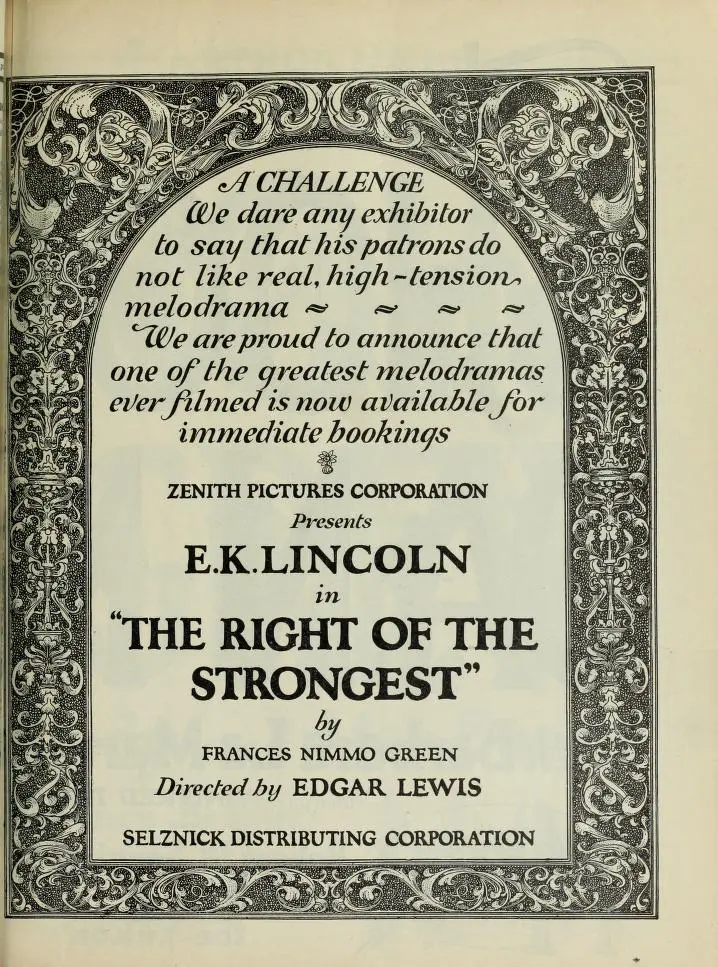
A Deep Dive into the 1924 Vision of Edgar Lewis
Exploring the Drama underpinnings of The Right of the Strongest leads us to the stylistic boundaries pushed by Edgar Lewis during the production. Through a lens of existential fatalism and Drama tropes, it continues to spark endless debates among critics and cinephiles alike.
In The Right of the Strongest, Edgar Lewis pushes the boundaries of conventional narrative. The film's unique approach to its subject matter has sparked endless debates and interpretations among cinephiles and critics alike.
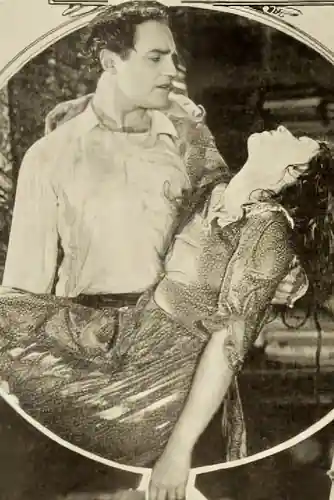
To fully appreciate The Right of the Strongest, one must consider the cinematic climate of 1924. During this period, United States was undergoing significant artistic shifts, and Edgar Lewis was at the forefront of this Drama movement, often challenging established norms.
| Cinematography | Handheld |
| Soundtrack | Minimalist |
| Editing | Slow-Burn |
| Art Direction | Brutalist |
Visualizing the convergence of Edgar Lewis's style and the core Drama narrative.
To a valley held by squatters since their ancestors took it from the Indians come two strangers who are regarded with hostility by the natives. Engineer John Marshall's mission is mysterious and he chooses to live in a cabin long believed to be haunted. The cabin's history is connected with district schoolteacher Mary Elizabeth Dale. She comes to the valley unaware that her father, Welchel Dale, original owner of the cabin, was lynched by some angry bootleggers who suspected that he was a revenue agent. The squatters learn that Marshall's mission is to take over their land, enabling Marshall's company to dam the valley, thus providing power for a nearby industrial town. After convincing Marshall that the company should pay the squatters for the land, Mary Elizabeth helps him when an angry mob arrives to lynch him. During the melee two villainous men and one innocent boy are killed; when peace finally comes to the valley, the folk, sobered by the deaths, accept Marshall's generous compensation and consent to move. John weds Mary.
Decades after its release, The Right of the Strongest remains a vital piece of the cinematic puzzle. Its influence can be seen in countless modern works, solidifying Edgar Lewis's status as a master of the craft in United States and beyond.