
DbcultAccessing Vault...
Director's Spotlight
Senior Film Conservator
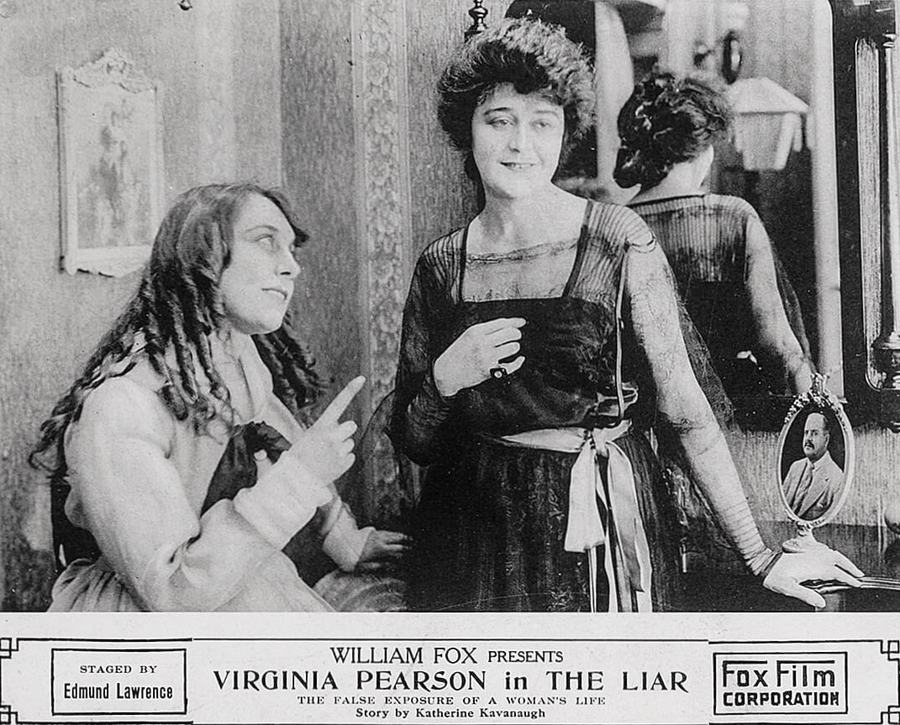
Director's Spotlight: United States
A Deep Dive into the 1918 Vision of Edmund Lawrence
To understand the modern evolution of United States film, one must first look at The Liar and the meticulous attention to detail that Edmund Lawrence applied to every frame. Reflecting the political and social shifts of the 1918s, it showcases the power of cult as a tool for social commentary.
In The Liar, Edmund Lawrence pushes the boundaries of conventional narrative. The film's unique approach to its subject matter has sparked endless debates and interpretations among cinephiles and critics alike.
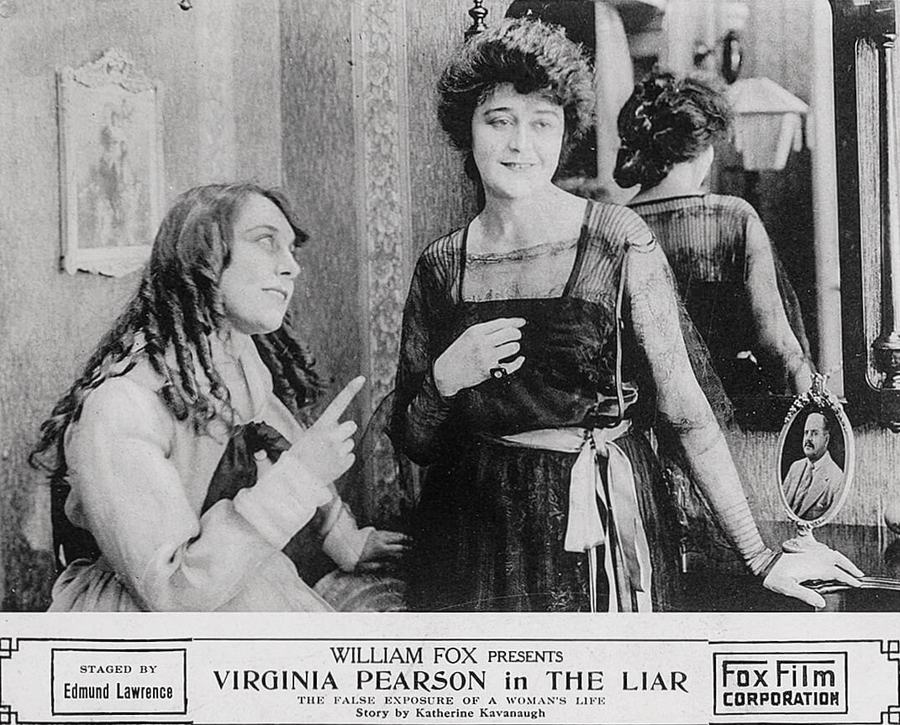
To fully appreciate The Liar, one must consider the cinematic climate of 1918. During this period, United States was undergoing significant artistic shifts, and Edmund Lawrence was at the forefront of this cult movement, often challenging established norms.
| Cinematography | Static |
| Soundtrack | Minimalist |
| Editing | Disjunctive |
| Art Direction | Baroque |
Visualizing the convergence of Edmund Lawrence's style and the core cult narrative.
Sam Harris, a black worker on the sugar plantation of Hugh Houston in Puerto Rico, is crippled for life when Houston beats him. Huston silences Harris with money and promises him a monthly allotment for the rest of his life. Houston's secretary, Franklin Harvey, is puzzled by Harris' regular appearances at Houston's office. When Houston's daughter Sybil, who lives in Boston, visits her father, she so enchants Harvey that he becomes fiercely determined to marry her. Sybil repulses Franklin's attentions, and after her father dies, Franklin tries to prevent her marriage to the man she loves, John Carter, by falsifying Houston's marriage certificate, substituting the name of Harris' mother for that of Sybil's own. When he threatens to reveal to John that Sybil is part black, she orders him to leave but is later haunted by the fear that her child will be born black. Franklin angrily tells his story to John, and while the two men fight, Sybil rushes into the next room and apparently shoots herself. Remorseful at the thought that Sybil killed herself because of him, Franklin confesses his lie, but Sybil appears at the door unharmed and says she knew he was lying.
Decades after its release, The Liar remains a vital piece of the cinematic puzzle. Its influence can be seen in countless modern works, solidifying Edmund Lawrence's status as a master of the craft in United States and beyond.