
DbcultAccessing Vault...
Director's Spotlight
Senior Film Conservator
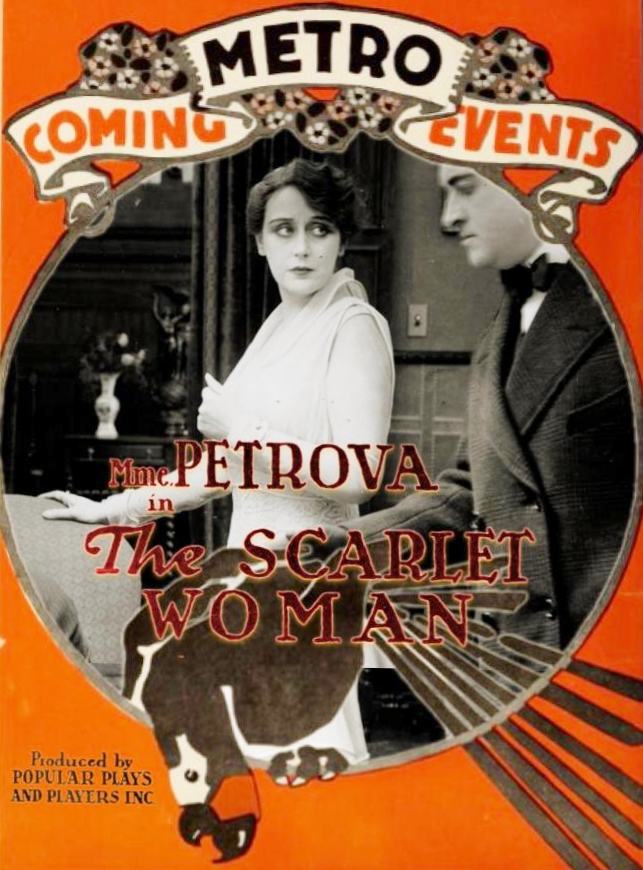
Director's Spotlight: United States
A Deep Dive into the 1916 Vision of Edmund Lawrence
Exploring the cult underpinnings of The Scarlet Woman leads us to the stylistic boundaries pushed by Edmund Lawrence during the production. Through a lens of existential fatalism and cult tropes, it continues to spark endless debates among critics and cinephiles alike.
In The Scarlet Woman, Edmund Lawrence pushes the boundaries of conventional narrative. The film's unique approach to its subject matter has sparked endless debates and interpretations among cinephiles and critics alike.
To fully appreciate The Scarlet Woman, one must consider the cinematic climate of 1916. During this period, United States was undergoing significant artistic shifts, and Edmund Lawrence was at the forefront of this cult movement, often challenging established norms.
| Cinematography | Noir-Inspired |
| Soundtrack | Orchestral |
| Editing | Slow-Burn |
| Art Direction | Brutalist |
Visualizing the convergence of Edmund Lawrence's style and the core cult narrative.
Hanlin Davis, vice-president of a bank, has been gambling in stocks, and loses heavily. While in the act of robbing the bank he is surprised by another official, and Davis kills him. Davis is arrested and his wife goes to Hastings, the District Attorney, and makes a plea in his behalf. Hastings is a corrupt official and does not hesitate to make an improper proposal to Thora. He agrees to let her husband off with a light sentence after she accepts his demands. When Davis is released from prison and learns of the sacrifice his wife has made he openly denounces her and turns her into the street. Then he gets a divorce. Ignored by all her friends and driven out of society, she is thrown upon her own resources and becomes known as "the scarlet woman," void of heart and conscience. The District Attorney becomes notorious for his association with the sporting element along Broadway, and is believed to be a graft taker. Robert Blake, a wealthy young man, institutes a reform investigation and the District Attorney is exposed. Disbarred and disgraced, Hastings decides to revenge himself upon Thora, whom he considers the cause of his downfall. He cultivates the friendship of Paula Gordon, an unscrupulous society woman, who is much in the company of Blake and holds his respect. Hastings has evidence of a crooked transaction in which Paula participated, and he threatens exposure unless she does his bidding. Through Paula, Thora is introduced to Blake. He is made to understand that she is a pure woman, and she is led to believe that he knows about her past. They fall in love and soon afterward are quietly married. After the wedding Hastings confronts the couple and denounces Thora, telling Blake of her past and that she is the notorious "scarlet woman." Blake gives Hastings a beating, but hears Thora confess that he has told the truth. Before he can regain composure, following this blow, and speak to her, Thora is gone. She secures employment in a factory hidden from her former friends. Paula now hopes to win Blake's love, but he remains steadfast in his love for his wife. Blake becomes a melancholy weakling in his deep sorrow. Paula goes to Thora and tells her she is wrecking his life; that if she would save him she must divorce him and openly return to her old life of the street and café. This Thora does. It proves the severest blow of all for Blake, and he is about to yield to Paula's persuasion to come to her when he learns the truth. He seeks out Thora, begs her to forgive him, as he long ago has forgiven her, and they are happily reunited.
Decades after its release, The Scarlet Woman remains a vital piece of the cinematic puzzle. Its influence can be seen in countless modern works, solidifying Edmund Lawrence's status as a master of the craft in United States and beyond.