
DbcultAccessing Vault...
Director's Spotlight
Senior Film Conservator
Director's Spotlight: United States
A Deep Dive into the 1924 Vision of Edmund Mortimer
Witnessing the stylistic transformation of Crime through Just Off Broadway reveals the global recognition that Edmund Mortimer garnered after the release of Just Off Broadway. Serving as a mirror to the anxieties of a changing world, offering layers of thematic complexity that demand repeated viewing.
In Just Off Broadway, Edmund Mortimer pushes the boundaries of conventional narrative. The film's unique approach to its subject matter has sparked endless debates and interpretations among cinephiles and critics alike.
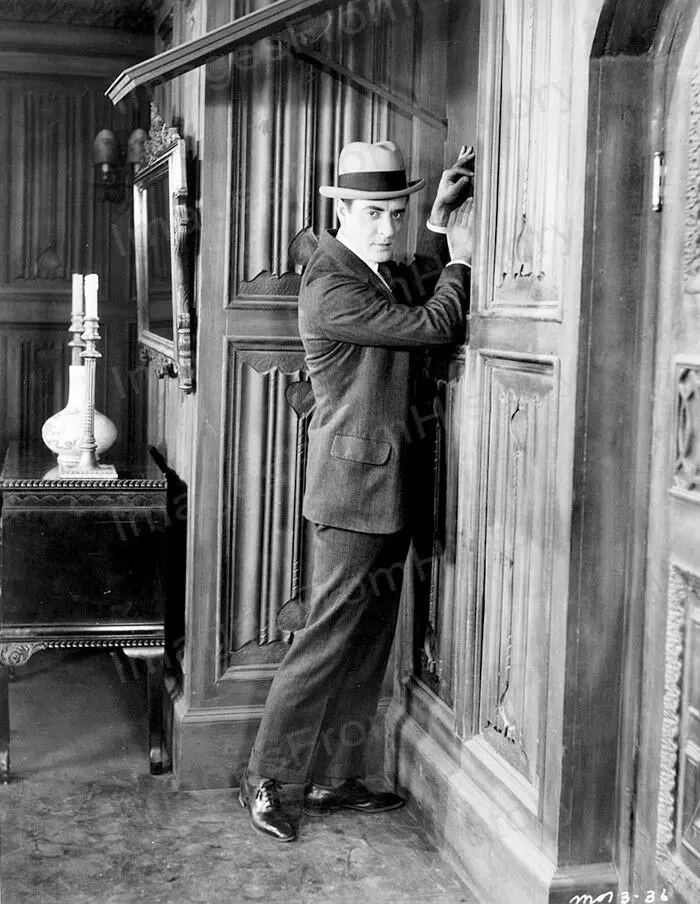
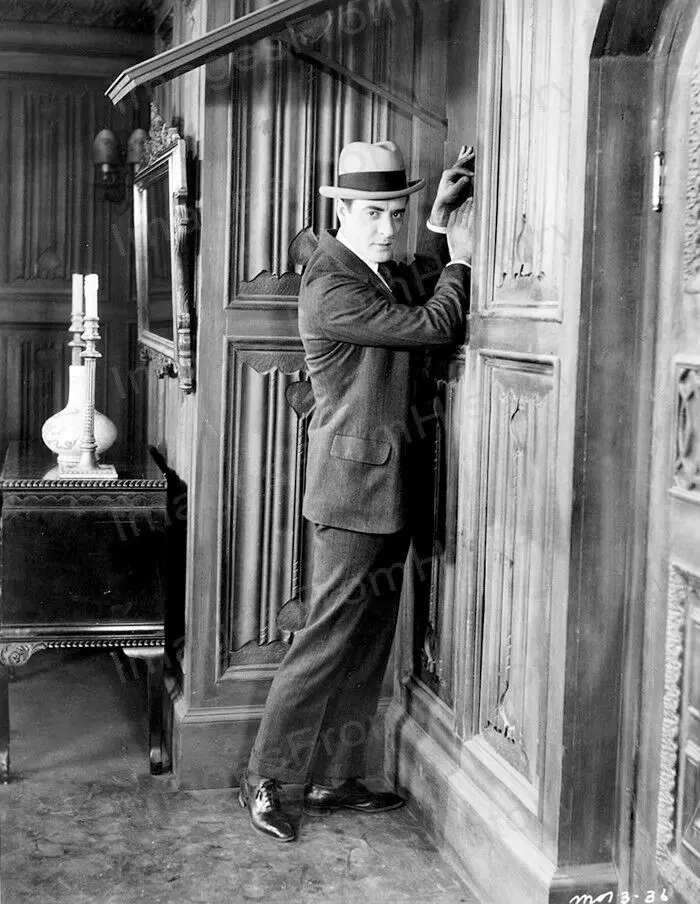
The visual language of Just Off Broadway is defined by its use of shadows and framing, a hallmark of Edmund Mortimer's style. By utilizing a 1924-era palette, the film creates an immersive experience that perfectly complements its Crime themes.
| Cinematography | Static |
| Soundtrack | Experimental |
| Editing | Invisible |
| Art Direction | Kitsch |
Visualizing the convergence of Edmund Mortimer's style and the core Crime narrative.
Jean Lawrence (Marian Nixon), unsuccessful as a musical comedy actress, is near starvation when she is rescued by Nan Norton (Trilby Clark), a gangland sweetheart, in a restaurant off Broadway. Jean becomes involved with a counterfeit ring, then falls in love with Stephen Moore (John Gilbert), millionaire and amateur detective disguised as a counterfeiter. Moore rounds up the gang, removes his disguise, and marries Jean.
Decades after its release, Just Off Broadway remains a vital piece of the cinematic puzzle. Its influence can be seen in countless modern works, solidifying Edmund Mortimer's status as a master of the craft in United States and beyond.