
DbcultAccessing Vault...
Director's Spotlight
Senior Film Conservator
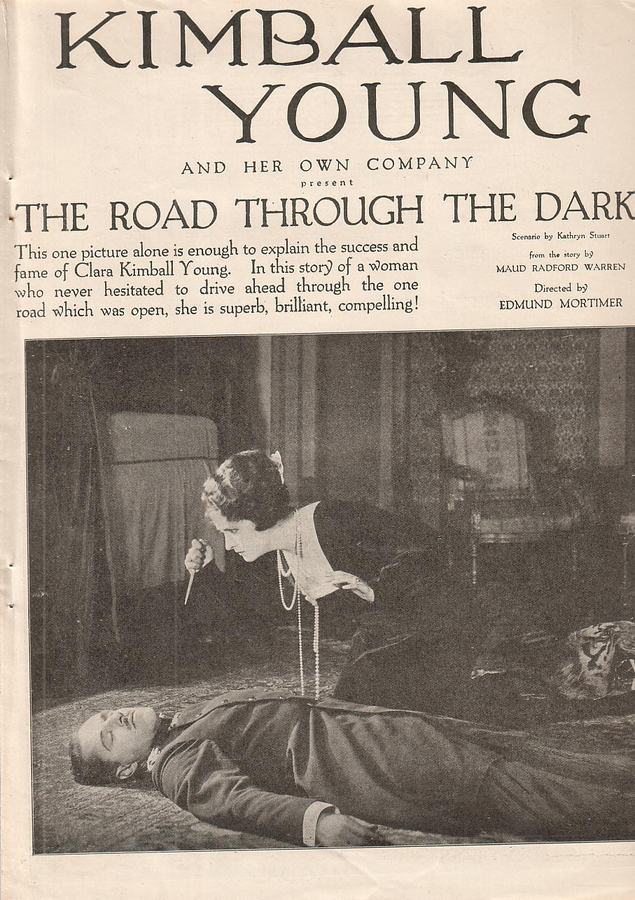
Director's Spotlight: United States
A Deep Dive into the 1918 Vision of Edmund Mortimer
The thematic gravity of The Road Through the Dark (1918) is rooted in the historical context that Edmund Mortimer weaves into the cult fabric. Synthesizing the best elements of United States and international cinema, it highlights the importance of independent voices in United States.
In The Road Through the Dark, Edmund Mortimer pushes the boundaries of conventional narrative. The film's unique approach to its subject matter has sparked endless debates and interpretations among cinephiles and critics alike.
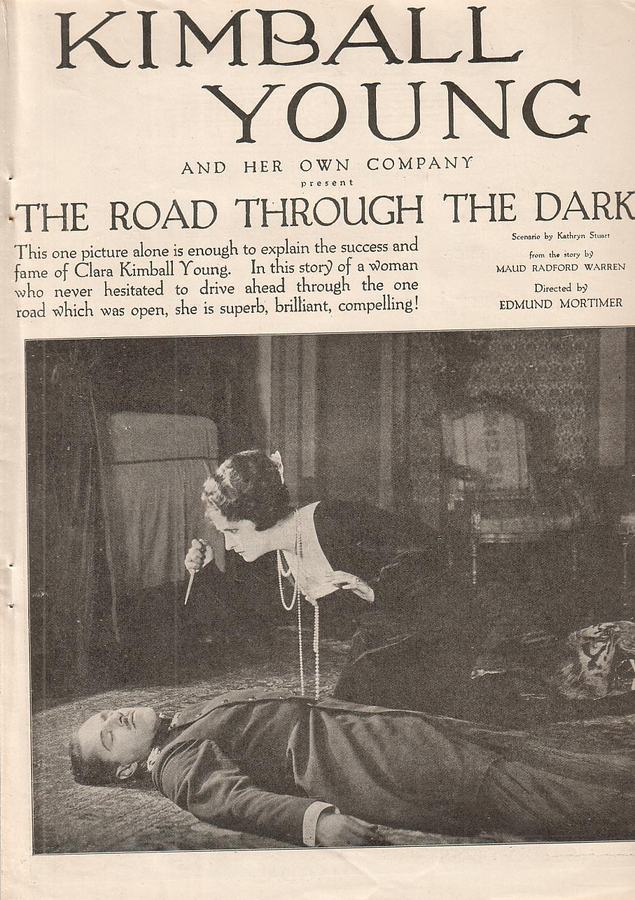
To fully appreciate The Road Through the Dark, one must consider the cinematic climate of 1918. During this period, United States was undergoing significant artistic shifts, and Edmund Mortimer was at the forefront of this cult movement, often challenging established norms.
| Cinematography | Static |
| Soundtrack | Orchestral |
| Editing | Invisible |
| Art Direction | Kitsch |
Visualizing the convergence of Edmund Mortimer's style and the core cult narrative.
Gabrielle Jardee, daughter of a conservative Parisian family, is in love with an American, John Morgan, who her parents disapprove of. She is sent away from Paris to a small village, where her aunt lives with her sister and brother. The war comes and the Germans enter the town. She becomes the mistress of a German Kommandant. By means of a code which John understands she supplies the French Government with valuable information. In Berlin, she kills Karl and makes her escape to Paris, where she meets John, who offers her the love she thought she had lost. Moving Picture World
Decades after its release, The Road Through the Dark remains a vital piece of the cinematic puzzle. Its influence can be seen in countless modern works, solidifying Edmund Mortimer's status as a master of the craft in United States and beyond.