
DbcultAccessing Vault...
Director's Spotlight
Senior Film Conservator
Director's Spotlight: France
A Deep Dive into the 1923 Vision of Édouard-Émile Violet
The artistic breakthrough represented by Le voile du bonheur in 1923 highlights the uncompromising vision of Édouard-Émile Violet that defines this Drama masterpiece. In the context of France's rich cinematic history, it captures a specific kind of cinematic magic that is rarely replicated.
In Le voile du bonheur, Édouard-Émile Violet pushes the boundaries of conventional narrative. The film's unique approach to its subject matter has sparked endless debates and interpretations among cinephiles and critics alike.
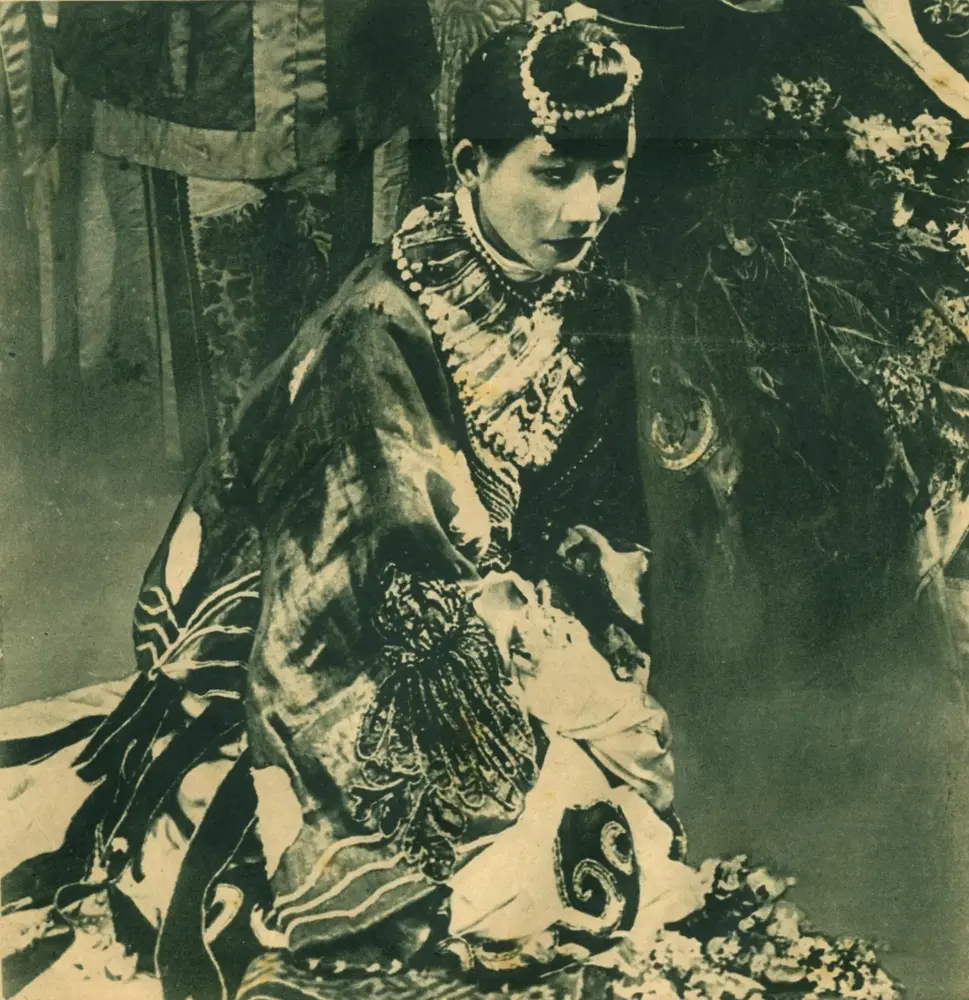
In this work, Édouard-Émile Violet explores the intersection of Drama and France cultural identity. The meticulous attention to detail suggests a deep-seated commitment to pushing the boundaries of the medium, ensuring that Le voile du bonheur remains a relevant topic of study for Drama enthusiasts.
| Cinematography | Handheld |
| Soundtrack | Orchestral |
| Editing | Slow-Burn |
| Art Direction | Brutalist |
Visualizing the convergence of Édouard-Émile Violet's style and the core Drama narrative.
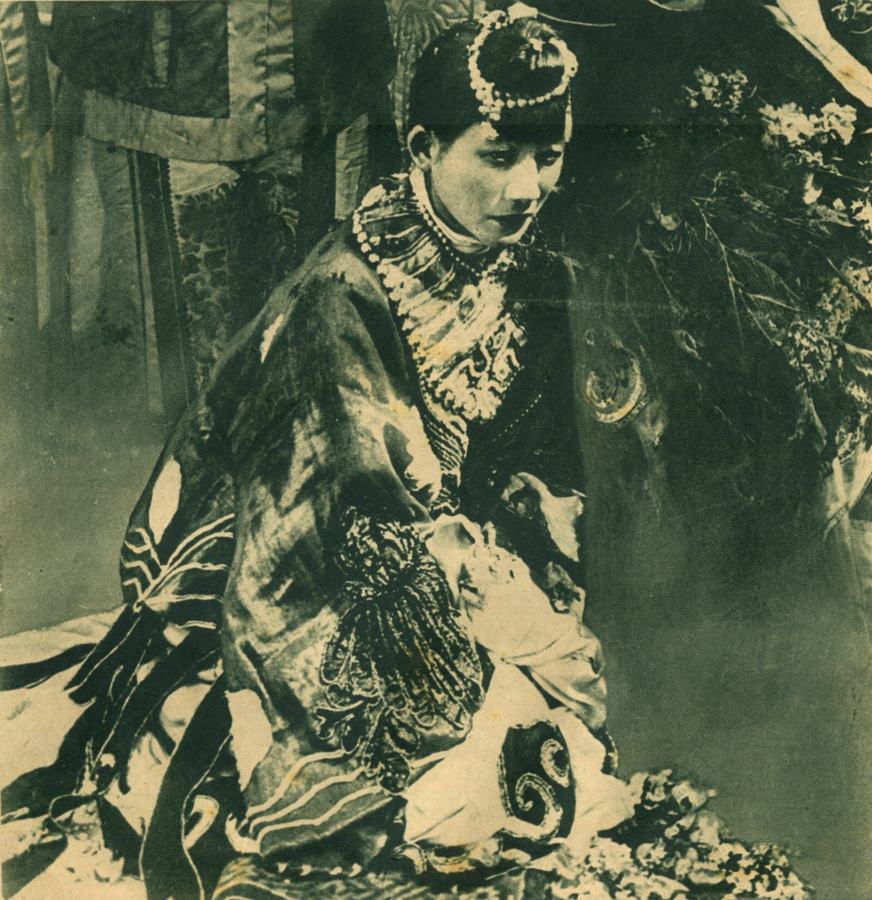
A blind Chinese poet, in his affliction, believes that everyone and everything about him is good and kind but immediately his sight is restored, the words of a prophet are fulfilled and he sees his friends are false, his wife is faithless and his young son mimics his blindness.
Decades after its release, Le voile du bonheur remains a vital piece of the cinematic puzzle. Its influence can be seen in countless modern works, solidifying Édouard-Émile Violet's status as a master of the craft in France and beyond.