
DbcultAccessing Vault...
Director's Spotlight
Senior Film Conservator
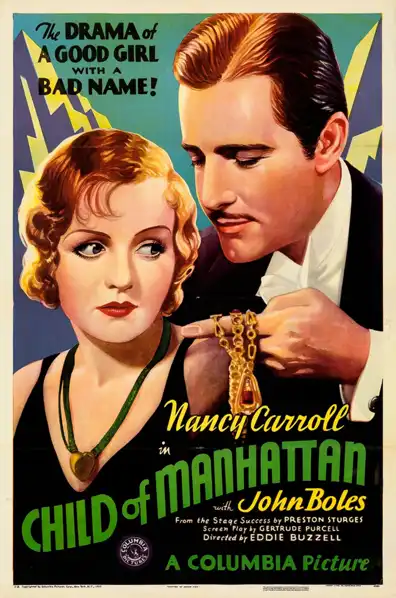
Director's Spotlight: United States
A Deep Dive into the 1933 Vision of Edward Buzzell
Witnessing the stylistic transformation of Drama through Child of Manhattan reveals the provocative questions that Edward Buzzell poses to the United States audience. Exploring the nuances of the human condition with Drama flair, it showcases the power of Drama as a tool for social commentary.
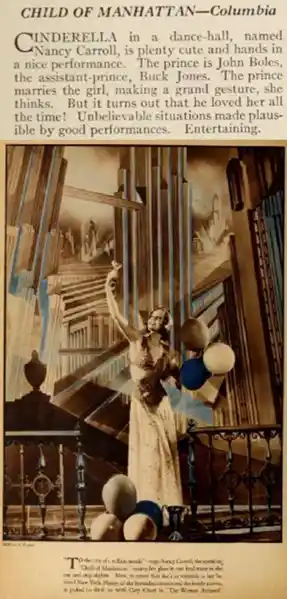
In Child of Manhattan, Edward Buzzell pushes the boundaries of conventional narrative. The film's unique approach to its subject matter has sparked endless debates and interpretations among cinephiles and critics alike.
| Cinematography | Deep Focus |
| Soundtrack | Minimalist |
| Editing | Slow-Burn |
| Art Direction | Brutalist |
Visualizing the convergence of Edward Buzzell's style and the core Drama narrative.
Paul Vanderkill is extraordinarily wealthy because his grandfather happened to buy farmland in what was to become Midtown Manhattan. The Loveland Dance Hall is one of the tenants of the Vanderkill estates. To reassure his aunt Sophie, Vanderkill visits Loveland to determine whether it is as disreputable as Sophie suspects. There he meets a dime-a-dance girl, Madeleine MacGonagal, who charms him with her quaint proletarian accent. They begin a secret affair, which turns into a secret marriage when pregnancy ensues. When the baby fails to survive, Madeleine decides that since he had married her only for the baby's sake, she should make haste to Mexico to secure a divorce. There she meets Panama Canal Kelly, a former suitor who now owns a silver mine. Her plans for divorce and quick remarriage are complicated when Vanderkill arrives to confront her.
Decades after its release, Child of Manhattan remains a vital piece of the cinematic puzzle. Its influence can be seen in countless modern works, solidifying Edward Buzzell's status as a master of the craft in United States and beyond.