
DbcultAccessing Vault...
Director's Spotlight
Senior Film Conservator
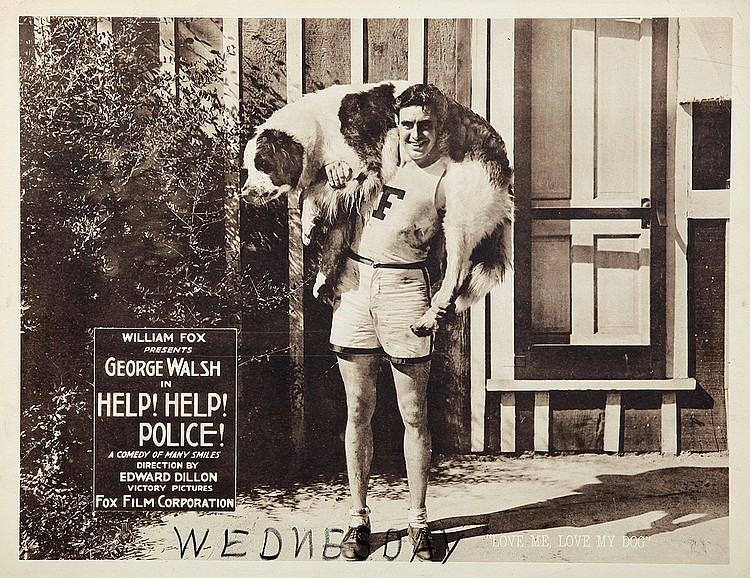
Director's Spotlight: United States
A Deep Dive into the 1919 Vision of Edward Dillon
The evocative power of Help! Help! Police! stems from the unique collaboration between the subversive storytelling techniques employed by Edward Dillon in 1919. Synthesizing the best elements of United States and international cinema, it reminds us of the fragility and beauty of the 1919s.
In Help! Help! Police!, Edward Dillon pushes the boundaries of conventional narrative. The film's unique approach to its subject matter has sparked endless debates and interpretations among cinephiles and critics alike.
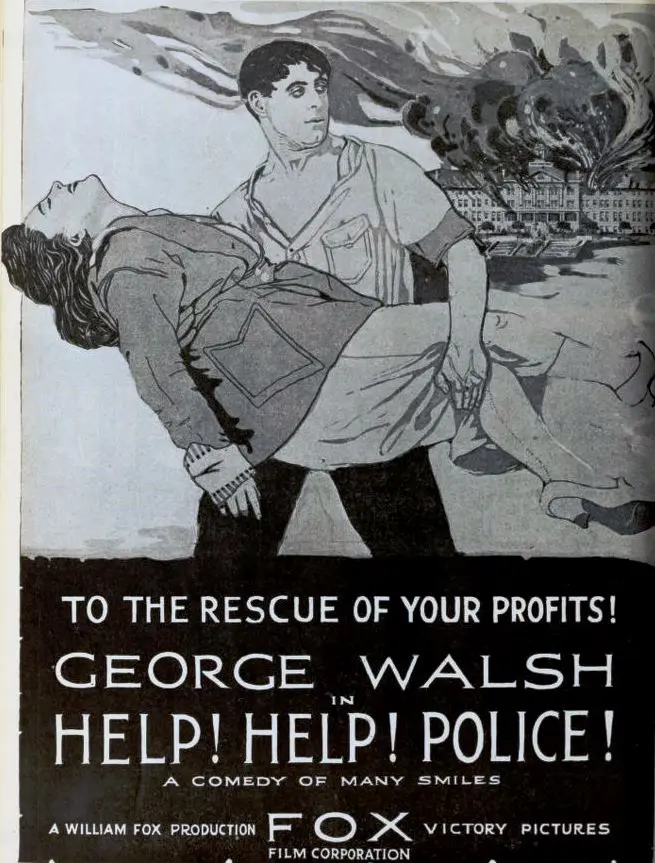
In this work, Edward Dillon explores the intersection of cult and United States cultural identity. The meticulous attention to detail suggests a deep-seated commitment to pushing the boundaries of the medium, ensuring that Help! Help! Police! remains a relevant topic of study for cult enthusiasts.
| Cinematography | Noir-Inspired |
| Soundtrack | Orchestral |
| Editing | Invisible |
| Art Direction | Kitsch |
Visualizing the convergence of Edward Dillon's style and the core cult narrative.
While vacationing with his father Edward at a Palm Beach hotel, George Welston becomes smitten with Eve Pendleton, the daughter of Edward's business rival Judson. After George prevents Pendleton from getting an option on a deal by racing in his car with his father's $100,000 deposit, Pendleton favors Eve's other suitor, Arthur Trask, whose gentlemanly manner conceals his intent to rob Eve and her wealthy friends. When George sees Trask climb into Eve's window, he follows and is apprehended by a detective, who reluctantly releases George in response to Eve's pleas. Later, Trask binds, gags and robs society belle Marian Trevor. After Trask's dropped cigarette starts a fire, George rescues Marian, who upon reviving, accuses him of theft, arson and abduction. George's father puts up $100,000 needed for an important deal for George's bail, then George chases Trask, who has stolen the $600,000 which Pendleton put up for the same deal. After a fight, George apprehends Trask and races to court before the bail money is forfeited. Pendleton and Welston become partners, while George and Eve marry.
Decades after its release, Help! Help! Police! remains a vital piece of the cinematic puzzle. Its influence can be seen in countless modern works, solidifying Edward Dillon's status as a master of the craft in United States and beyond.