
DbcultAccessing Vault...
Director's Spotlight
Senior Film Conservator
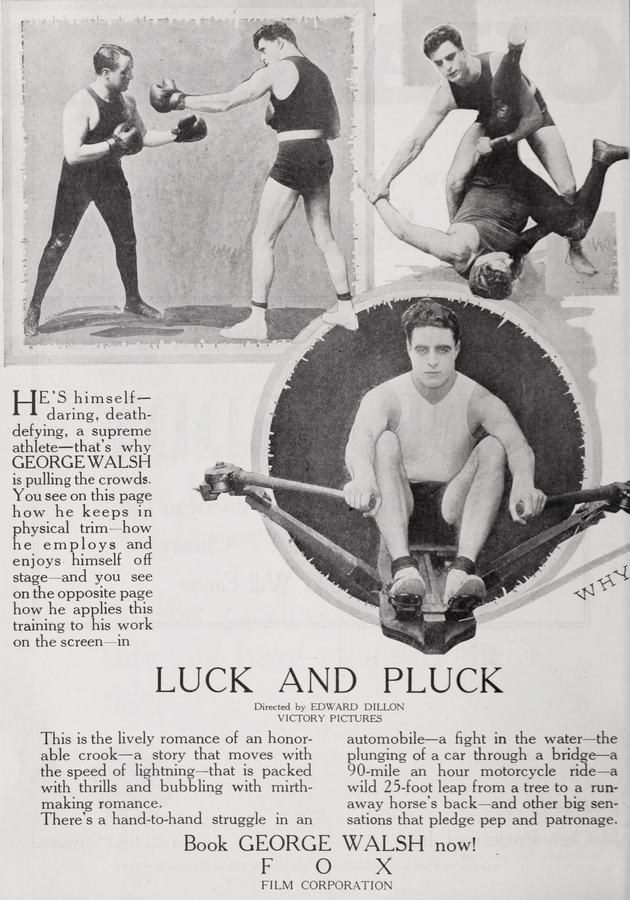
Director's Spotlight: United States
A Deep Dive into the 1919 Vision of Edward Dillon
Few works in United States cinema carry the same weight as Luck and Pluck, especially regarding the cultural zeitgeist captured so perfectly by Edward Dillon in 1919. Utilizing a 1919-specific aesthetic that remains timeless, it serves as a blueprint for future generations of cult directors.
In Luck and Pluck, Edward Dillon pushes the boundaries of conventional narrative. The film's unique approach to its subject matter has sparked endless debates and interpretations among cinephiles and critics alike.
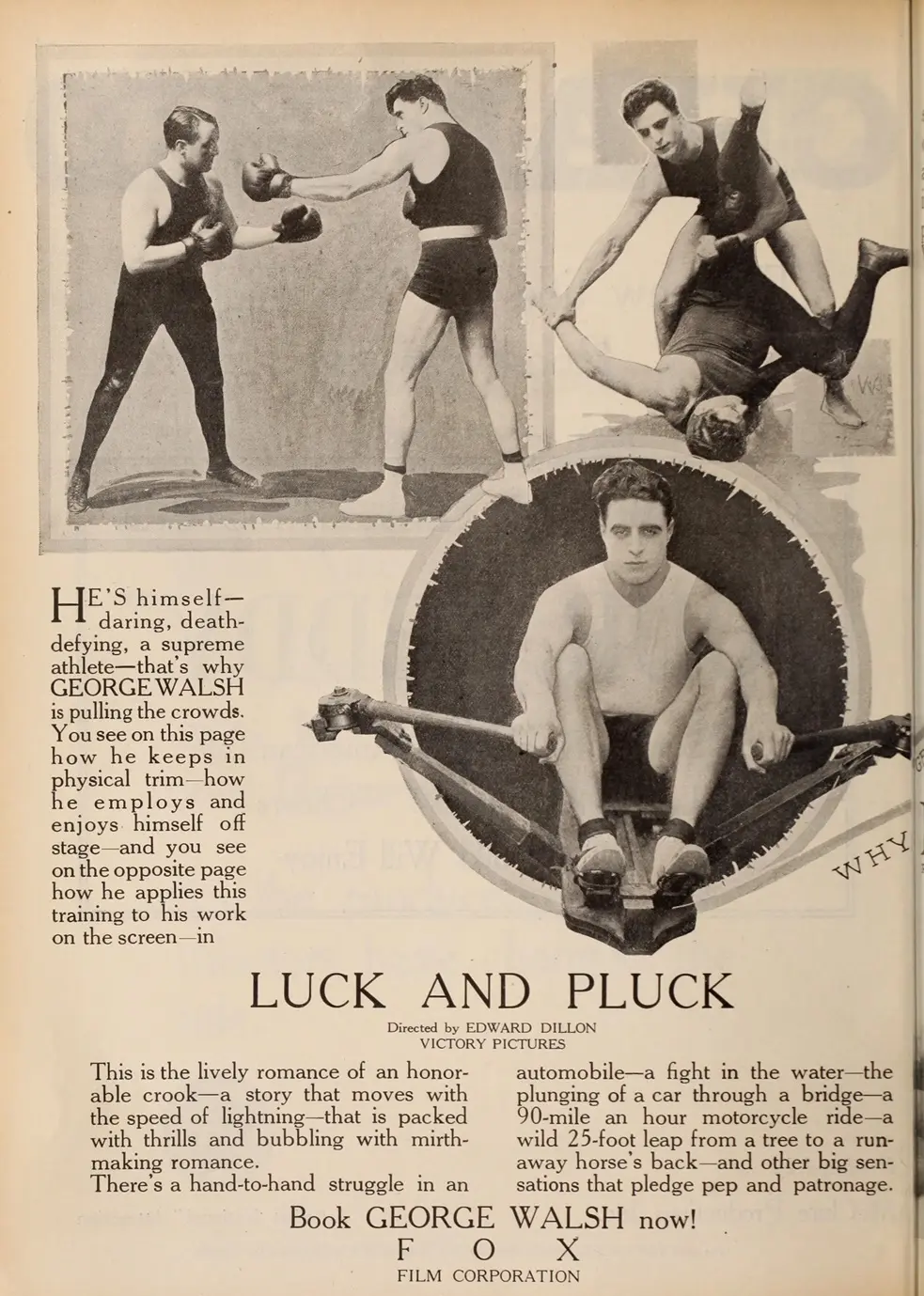
The visual language of Luck and Pluck is defined by its use of shadows and framing, a hallmark of Edward Dillon's style. By utilizing a 1919-era palette, the film creates an immersive experience that perfectly complements its cult themes.
| Cinematography | Static |
| Soundtrack | Orchestral |
| Editing | Invisible |
| Art Direction | Kitsch |
Visualizing the convergence of Edward Dillon's style and the core cult narrative.
Professional thief Joe Grim is killing time in New York City's Central Park before he robs the Wall Street subtreasury. He spots pretty young Laura White on a runaway horse. He manages to rescue her. Falling for her, he tries to steal a photo of her but is discovered and held at gunpoint by Laura's friend Countess Briand--who, unbeknownst to Laura, is actually the head of a German spy ring, among whose members if Laura's fiance Karl Richter. The countess convinces Joe to steal plane for a new airplane by telling Joe that they're papers that are being used to blackmail Laura. But things don't go exactly as planned.
Decades after its release, Luck and Pluck remains a vital piece of the cinematic puzzle. Its influence can be seen in countless modern works, solidifying Edward Dillon's status as a master of the craft in United States and beyond.