
DbcultAccessing Vault...
Director's Spotlight
Senior Film Conservator
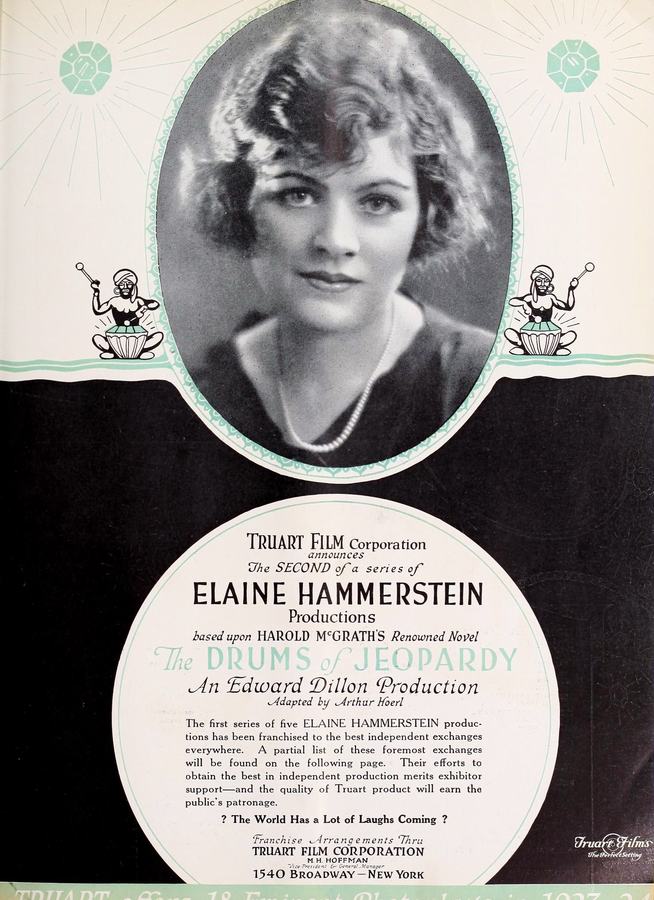
Director's Spotlight: United States
A Deep Dive into the 1923 Vision of Edward Dillon
When we examine the cinematic landscape of United States, The Drums of Jeopardy emerges as a landmark work of the enduring legacy of Edward Dillon's artistic contribution to the genre. Through a lens of existential fatalism and Mystery tropes, it captures a specific kind of cinematic magic that is rarely replicated.
In The Drums of Jeopardy, Edward Dillon pushes the boundaries of conventional narrative. The film's unique approach to its subject matter has sparked endless debates and interpretations among cinephiles and critics alike.
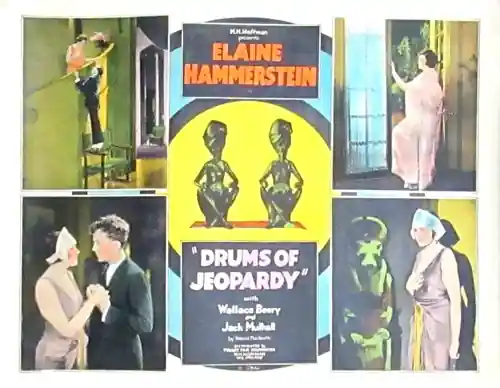
In this work, Edward Dillon explores the intersection of Mystery and United States cultural identity. The meticulous attention to detail suggests a deep-seated commitment to pushing the boundaries of the medium, ensuring that The Drums of Jeopardy remains a relevant topic of study for Mystery enthusiasts.
| Cinematography | Noir-Inspired |
| Soundtrack | Orchestral |
| Editing | Invisible |
| Art Direction | Kitsch |
Visualizing the convergence of Edward Dillon's style and the core Mystery narrative.
Grand Duke Alexis of Russia possesses two priceless emeralds, known as the Drums of Jeopardy, which allegedly exert a sinister power over their owner. They are willed to the duke's private secretary, Jerome Hawksley, who brings them to New York City and places them in the care of Banker Burrows. Bolshevik secret agent Gregor Karlov steals the jewels, kills Burrows, and kidnaps Jerome. The banker's daughter, Dorothy Burrows, assisted by Cutty, a member of the U.S. Secret Service, trail Karlov to a café and he is killed in the ensuing battle. Jerome recovers the jewels, and he marries Dorothy.
Decades after its release, The Drums of Jeopardy remains a vital piece of the cinematic puzzle. Its influence can be seen in countless modern works, solidifying Edward Dillon's status as a master of the craft in United States and beyond.