
DbcultAccessing Vault...
Director's Spotlight
Senior Film Conservator
Director's Spotlight: United States
A Deep Dive into the 1918 Vision of Edward Dillon
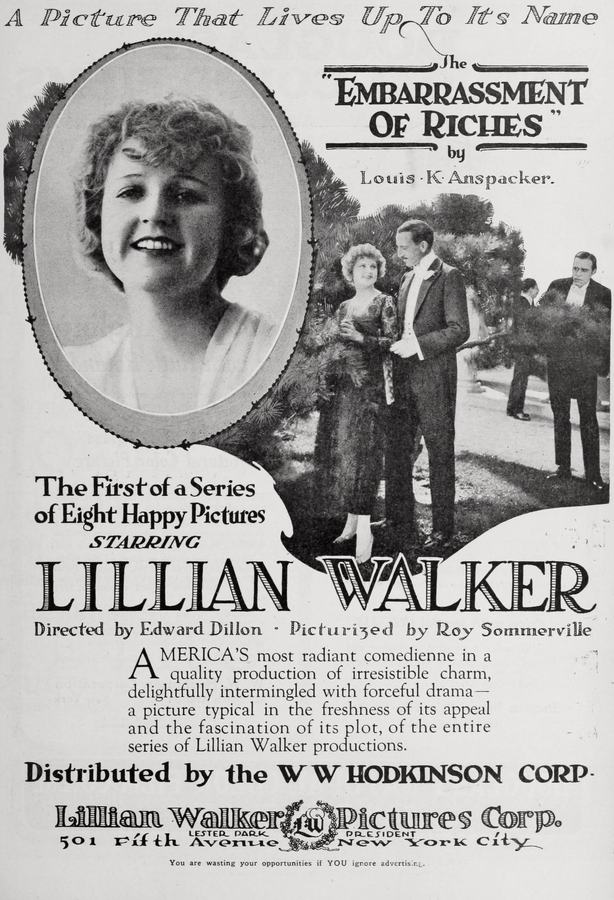
Peeling back the layers of Edward Dillon's The Embarrassment of Riches exposes the collaborative alchemy between Edward Dillon and the 1918 creative team. Anchored by a narrative that is both personal and universal, it reinforces the idea that cinema is a medium of infinite possibilities.
In The Embarrassment of Riches, Edward Dillon pushes the boundaries of conventional narrative. The film's unique approach to its subject matter has sparked endless debates and interpretations among cinephiles and critics alike.
To fully appreciate The Embarrassment of Riches, one must consider the cinematic climate of 1918. During this period, United States was undergoing significant artistic shifts, and Edward Dillon was at the forefront of this cult movement, often challenging established norms.
| Cinematography | Deep Focus |
| Soundtrack | Orchestral |
| Editing | Invisible |
| Art Direction | Kitsch |
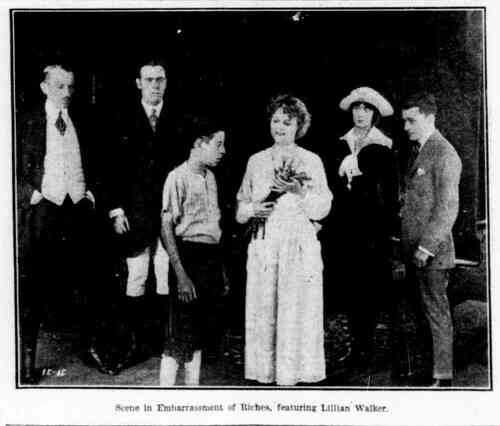
Visualizing the convergence of Edward Dillon's style and the core cult narrative.
Through the death of a relative, New York sweatshop worker Lizzie Holt is transformed into Miss Elizabeth Holt, heiress. Elizabeth soon tires, however, of the shallowness of society life and occupies herself by working in a settlement house on the lower East Side. There she falls in love with John Russell, an idealist who despises the rich, and to escape his scorn, she identifies herself as Miss Holt's secretary. John's efforts to close up ward boss Ted Phelan's gambling house next door prove successful when the place is raided, but when several of Elizabeth's acquaintances on a "slumming party" seek her aid in escaping arrest, John discovers her true identity. He is about to change his mind about marrying her, when Elizabeth convinces him that her love and her character are true, and the two are united.
Decades after its release, The Embarrassment of Riches remains a vital piece of the cinematic puzzle. Its influence can be seen in countless modern works, solidifying Edward Dillon's status as a master of the craft in United States and beyond.