
DbcultAccessing Vault...
Director's Spotlight
Senior Film Conservator
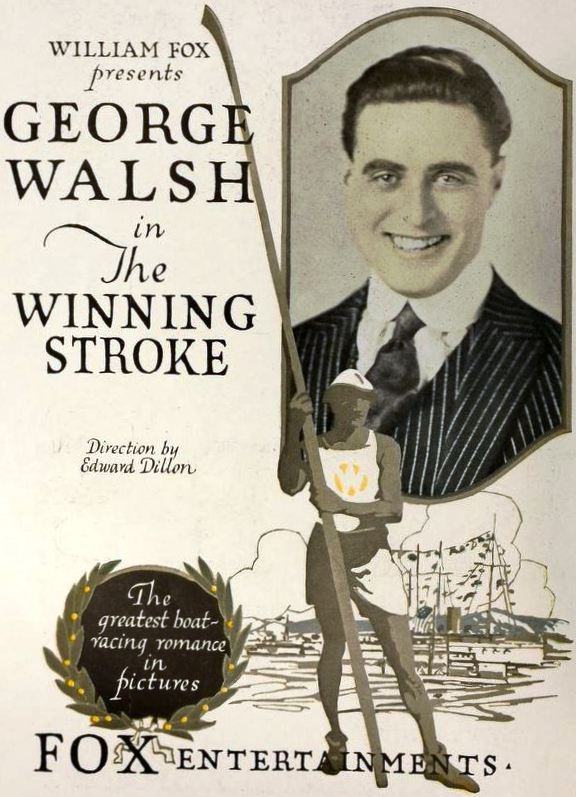
Director's Spotlight: United States
A Deep Dive into the 1919 Vision of Edward Dillon
The brilliance of The Winning Stroke (1919) is inseparable from the visionary mind of its creator, Edward Dillon. Serving as a mirror to the anxieties of a changing world, it persists as a haunting reminder of our own cinematic history.
In The Winning Stroke, Edward Dillon pushes the boundaries of conventional narrative. The film's unique approach to its subject matter has sparked endless debates and interpretations among cinephiles and critics alike.
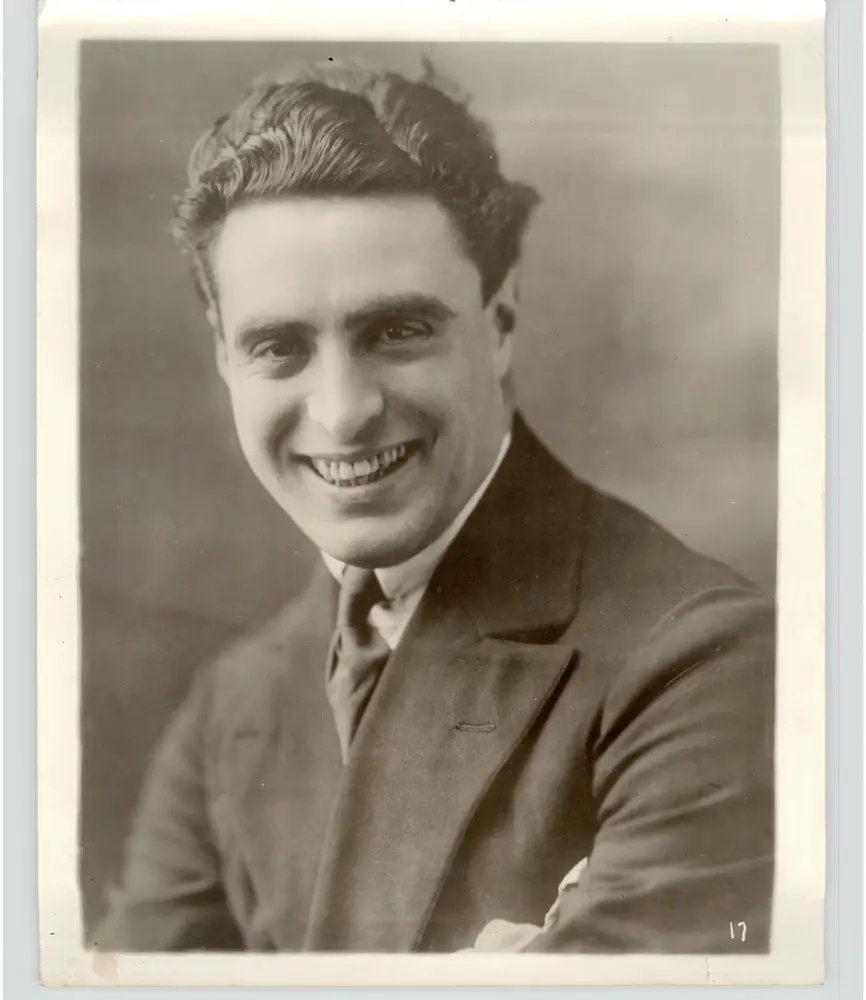
To fully appreciate The Winning Stroke, one must consider the cinematic climate of 1919. During this period, United States was undergoing significant artistic shifts, and Edward Dillon was at the forefront of this cult movement, often challenging established norms.
| Cinematography | Static |
| Soundtrack | Diegetic |
| Editing | Rhythmic |
| Art Direction | Naturalist |
Visualizing the convergence of Edward Dillon's style and the core cult narrative.
In a mock fraternity initiation, a group of Yale students haze Paul Browning for tattling. When he learns that the leader of the group, oarsman Buck Simmons, is also winning the favor of Aida Courtlandt, the dean's niece, the jealous Browning and gambler Burton Hampdon, to whom Browning owes money, attempt to disgrace Buck so he will not be allowed to participate in the upcoming Yale-Harvard race. After they fail to lure Buck to bed with a girl, Browning takes Aida to a roadhouse so that Buck will have to break training rules to go there. When the coach, suspicious about the roadhouse incident, finds a letter planted on Buck about a deal for him to throw the race, he suspends Buck, but with Aida's influence, the dean straightens matters out. After Yale wins a close race, Browning shoots at Buck, who then trounces him. Proclaimed captain of the next year's team, Buck becomes engaged to Aida.
Decades after its release, The Winning Stroke remains a vital piece of the cinematic puzzle. Its influence can be seen in countless modern works, solidifying Edward Dillon's status as a master of the craft in United States and beyond.