
DbcultAccessing Vault...
Director's Spotlight
Senior Film Conservator
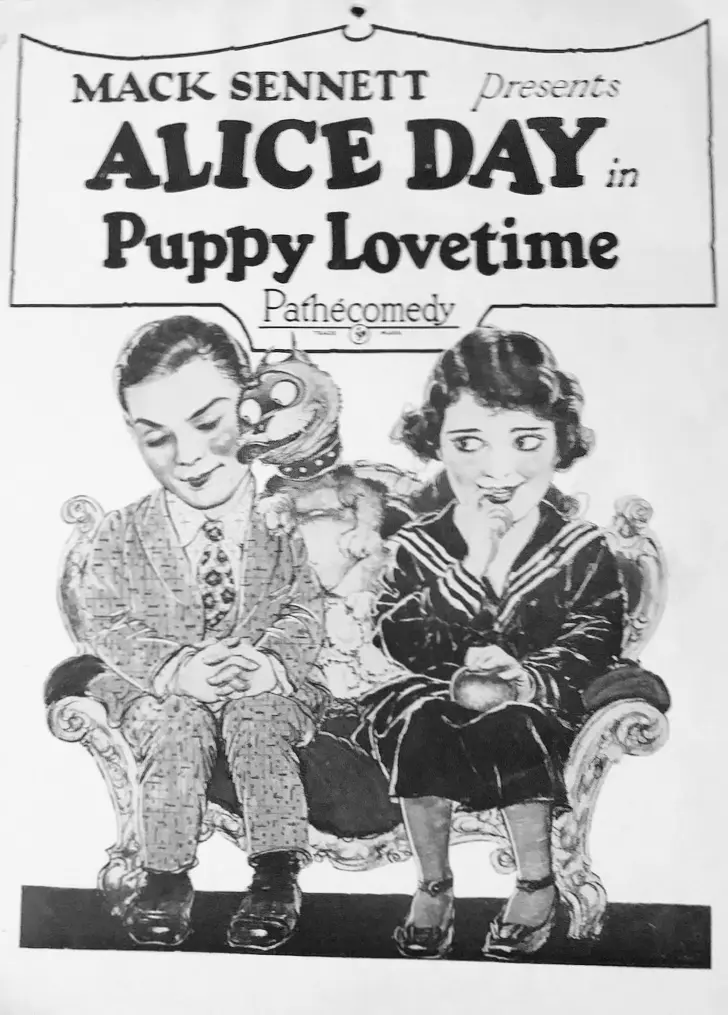
Director's Spotlight: United States
A Deep Dive into the 1926 Vision of Edward F. Cline
Exploring the Comedy underpinnings of Puppy Lovetime leads us to the stylistic boundaries pushed by Edward F. Cline during the production. Through a lens of existential fatalism and Comedy tropes, it continues to spark endless debates among critics and cinephiles alike.
In Puppy Lovetime, Edward F. Cline pushes the boundaries of conventional narrative. The film's unique approach to its subject matter has sparked endless debates and interpretations among cinephiles and critics alike.
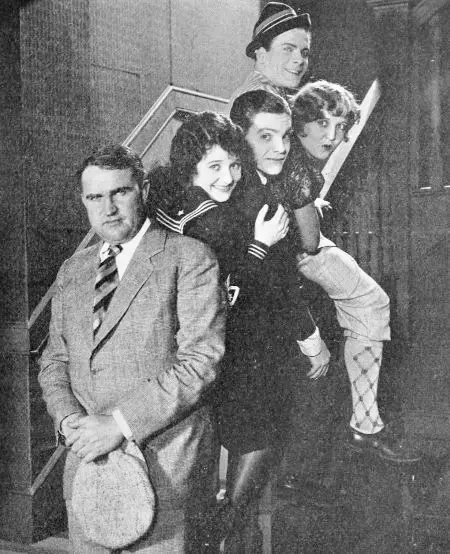
In this work, Edward F. Cline explores the intersection of Comedy and United States cultural identity. The meticulous attention to detail suggests a deep-seated commitment to pushing the boundaries of the medium, ensuring that Puppy Lovetime remains a relevant topic of study for Comedy enthusiasts.
| Cinematography | Deep Focus |
| Soundtrack | Diegetic |
| Editing | Rhythmic |
| Art Direction | Naturalist |
Visualizing the convergence of Edward F. Cline's style and the core Comedy narrative.
Alice falls in love with Danny, the village cut-up, but Danny has fallen for Ruth, the little blonde vamp from the big city. Alice is forced to transfer her affections to Eddie, the grocery-deliver boy, and she finally accepts him in lieu of her first choice.
Decades after its release, Puppy Lovetime remains a vital piece of the cinematic puzzle. Its influence can be seen in countless modern works, solidifying Edward F. Cline's status as a master of the craft in United States and beyond.