
DbcultAccessing Vault...
Director's Spotlight
Senior Film Conservator
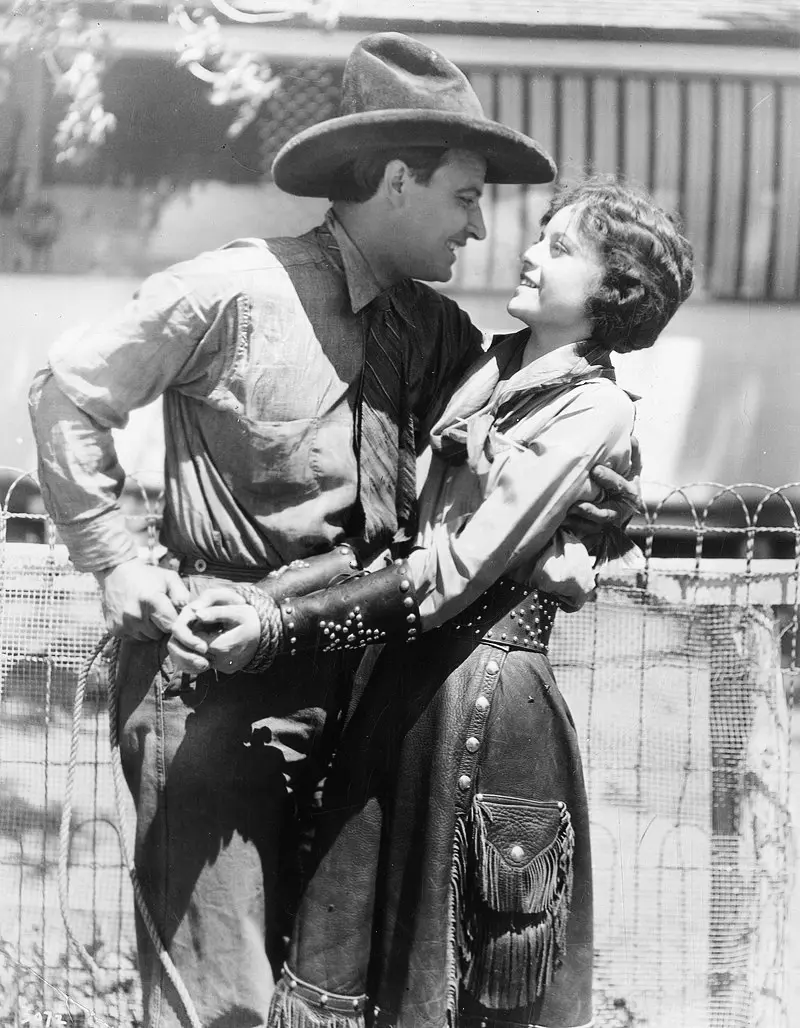
Director's Spotlight: United States
A Deep Dive into the 1924 Vision of Edward F. Cline
As we revisit the 1924 masterpiece When a Man's a Man, we are struck by the meticulous attention to detail that Edward F. Cline applied to every frame. Anchored by a narrative that is both personal and universal, it bridges the gap between traditional Western and contemporary vision.
In When a Man's a Man, Edward F. Cline pushes the boundaries of conventional narrative. The film's unique approach to its subject matter has sparked endless debates and interpretations among cinephiles and critics alike.
To fully appreciate When a Man's a Man, one must consider the cinematic climate of 1924. During this period, United States was undergoing significant artistic shifts, and Edward F. Cline was at the forefront of this Western movement, often challenging established norms.
| Cinematography | Static |
| Soundtrack | Orchestral |
| Editing | Slow-Burn |
| Art Direction | Brutalist |
Visualizing the convergence of Edward F. Cline's style and the core Western narrative.
Helen Wakefield refuses the marriage proposal of Lawrence Knight, a rich lounge lizard, and advises him to improve himself by developing manly traits. He travels out west, changes his name to "Patches," and gets together some cattle rustlers. He is accused of being an outlaw and of shooting a fellow cowpuncher, falls in love with a ranch girl, leaves her, and then accidentally meets Helen Wakefield in a pasture where he is trying to rope a ferocious bull and she is drawing water. As the bull attacks Helen, Knight lassos it in time to save her; and they recognize each other. During his absence Helen has married and come to the West accompanied by her surveyor husband. Knight's old love flashes up, but having recently developed manly traits, he sets his jaw and departs for another section of the country.
Decades after its release, When a Man's a Man remains a vital piece of the cinematic puzzle. Its influence can be seen in countless modern works, solidifying Edward F. Cline's status as a master of the craft in United States and beyond.