
DbcultAccessing Vault...
Director's Spotlight
Senior Film Conservator
Director's Spotlight: United States
A Deep Dive into the 1920 Vision of Edward H. Griffith
In the grand tapestry of Comedy cinema, Babs serves as a bridge between the bold experimentation that has become synonymous with Edward H. Griffith. Breaking the traditional rules of Comedy engagement, it highlights the importance of independent voices in United States.
In Babs, Edward H. Griffith pushes the boundaries of conventional narrative. The film's unique approach to its subject matter has sparked endless debates and interpretations among cinephiles and critics alike.
| Cinematography | Handheld |
| Soundtrack | Orchestral |
| Editing | Slow-Burn |
| Art Direction | Brutalist |
Visualizing the convergence of Edward H. Griffith's style and the core Comedy narrative.
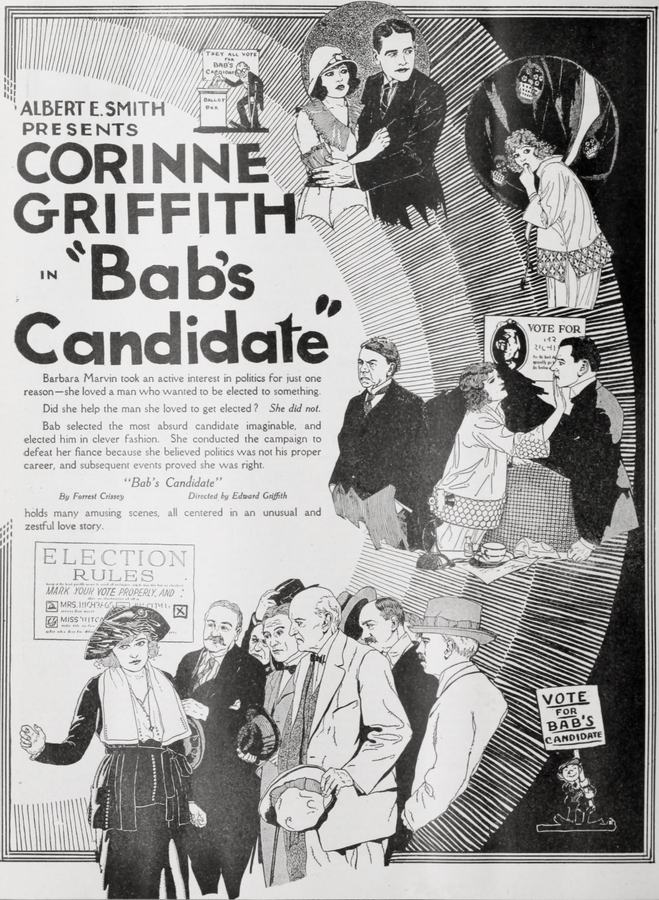
Babs Marvin loves David Darrow, a young lawyer. Babs' father, the powerful Senator Marvin, is supporting Eben Sprague for a seat in the State Legislature. Darrow discovers that Sprague is a crook and threatens to expose the candidate unless the senator agrees to switch his support to him. Babs opposes Darrow's decision, fearing that it will ruin his promising law career. Determined to defeat Darrow, she promotes the candidacy of the village pauper, Hank Dawes, and contrives an elaborate campaign based upon the slogan that Dawes' election would remove him from the welfare rolls. Dawes wins the election, but Darrow is consoled with Babs's love and the senator's support of his law career.
Decades after its release, Babs remains a vital piece of the cinematic puzzle. Its influence can be seen in countless modern works, solidifying Edward H. Griffith's status as a master of the craft in United States and beyond.