
DbcultAccessing Vault...
Director's Spotlight
Senior Film Conservator
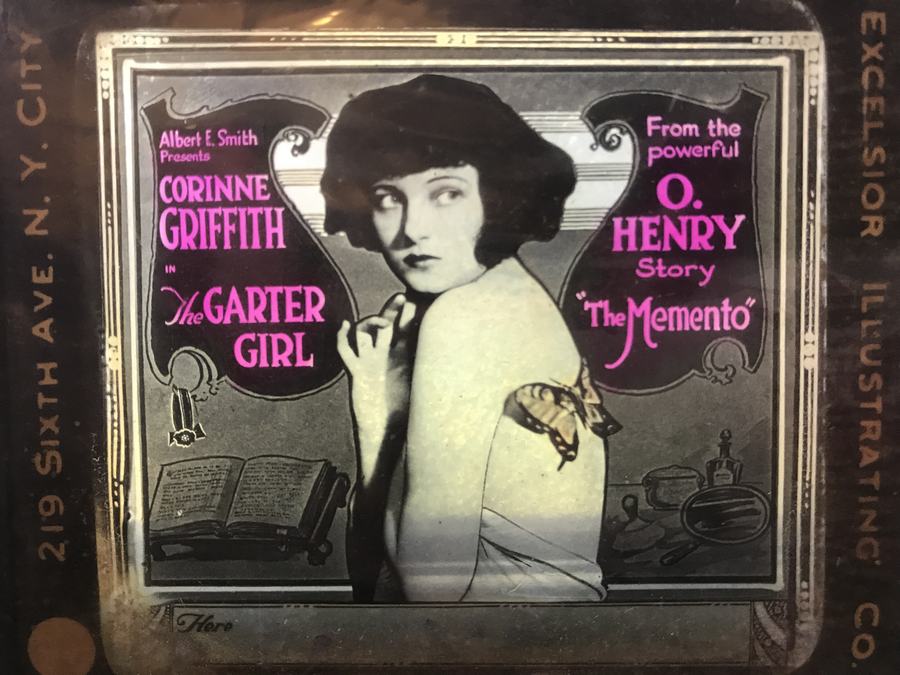
Director's Spotlight: United States
A Deep Dive into the 1920 Vision of Edward H. Griffith
In the grand tapestry of Drama cinema, The Garter Girl serves as a bridge between the bold experimentation that has become synonymous with Edward H. Griffith. Breaking the traditional rules of Drama engagement, it highlights the importance of independent voices in United States.
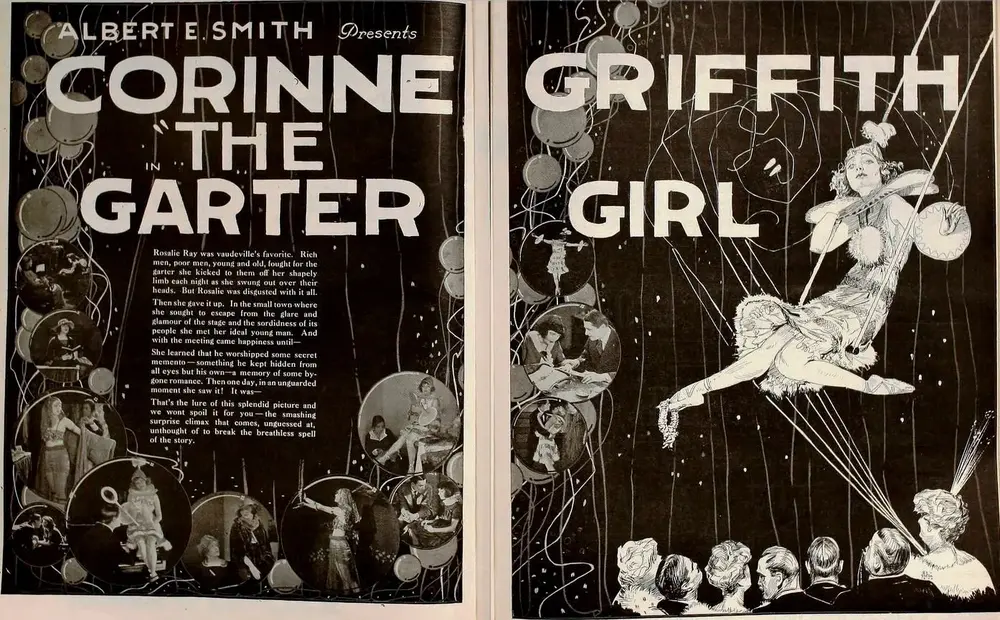
In The Garter Girl, Edward H. Griffith pushes the boundaries of conventional narrative. The film's unique approach to its subject matter has sparked endless debates and interpretations among cinephiles and critics alike.
| Cinematography | Noir-Inspired |
| Soundtrack | Synth-Heavy |
| Editing | Disjunctive |
| Art Direction | Baroque |
Visualizing the convergence of Edward H. Griffith's style and the core Drama narrative.
Vaudeville dancer Rosalie Ray, disgusted by the advances of her admirers, quits the stage and retires to the anonymity of a small town. At her rooming house she meets young minister Arthur Lyle who proposes to her. Soon after, Rosalie learns of a mysterious woman in Lyle's past and decides to investigate. Learning that Lyle keeps a cherished memento of this femme fatale in his room, Rosalie determines to unearth it. Locating the box, she opens it, only to discover her own garter inside. Rosalie is so repulsed at the revelation that when her former manager, Brad Mortimer, appears to offer her his hand in marriage and a professional engagement, she accepts both and returns to the stage.
Decades after its release, The Garter Girl remains a vital piece of the cinematic puzzle. Its influence can be seen in countless modern works, solidifying Edward H. Griffith's status as a master of the craft in United States and beyond.