
DbcultAccessing Vault...
Director's Spotlight
Senior Film Conservator
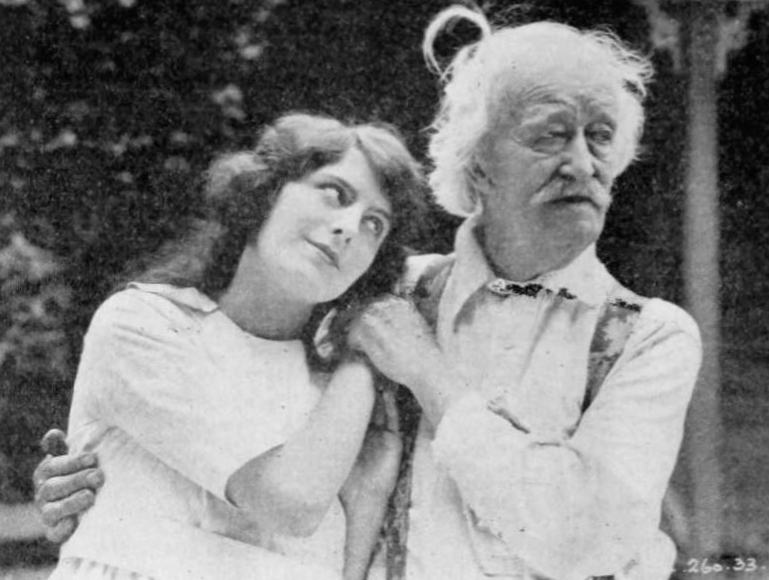
Director's Spotlight: United States
A Deep Dive into the 1921 Vision of Edward José
Deciphering the layers of Rainbow (1921) reveals the complex thematic architecture established by Edward José. Utilizing a 1921-specific aesthetic that remains timeless, it stands as the definitive 1921 statement on Drama identity.
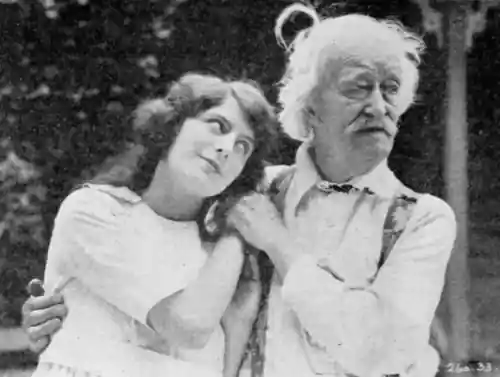
In Rainbow, Edward José pushes the boundaries of conventional narrative. The film's unique approach to its subject matter has sparked endless debates and interpretations among cinephiles and critics alike.
| Cinematography | High-Contrast |
| Soundtrack | Diegetic |
| Editing | Elliptical |
| Art Direction | Expressionist |
Visualizing the convergence of Edward José's style and the core Drama narrative.
Rainbow Halliday, an orphan, is reared by three self-appointed guardians who work the Rainbow Copper Mine, willed her by her father. She is rescued from the advances of Joe Sheady by young easterner George Standish, who claims ownership of the mine but does not force his rights and instead returns to Chicago to marry a former sweetheart. Rainbow's uncle, Rufus, who is taken ill in Chicago, invites her to visit him; there she discovers that Standish's father did not record the sale of the mine, knowing that Rufus had sold the mine to Rainbow's father. Insulted by George's fiancée, Rainbow decides to surrender the mine and returns home; Standish arrives and is held captive by her guardians, but he is rescued by Rainbow when Sheady sets fire to the cabin. He finds love with Rainbow, and the mine becomes their joint property.
Decades after its release, Rainbow remains a vital piece of the cinematic puzzle. Its influence can be seen in countless modern works, solidifying Edward José's status as a master of the craft in United States and beyond.