
DbcultAccessing Vault...
Director's Spotlight
Senior Film Conservator
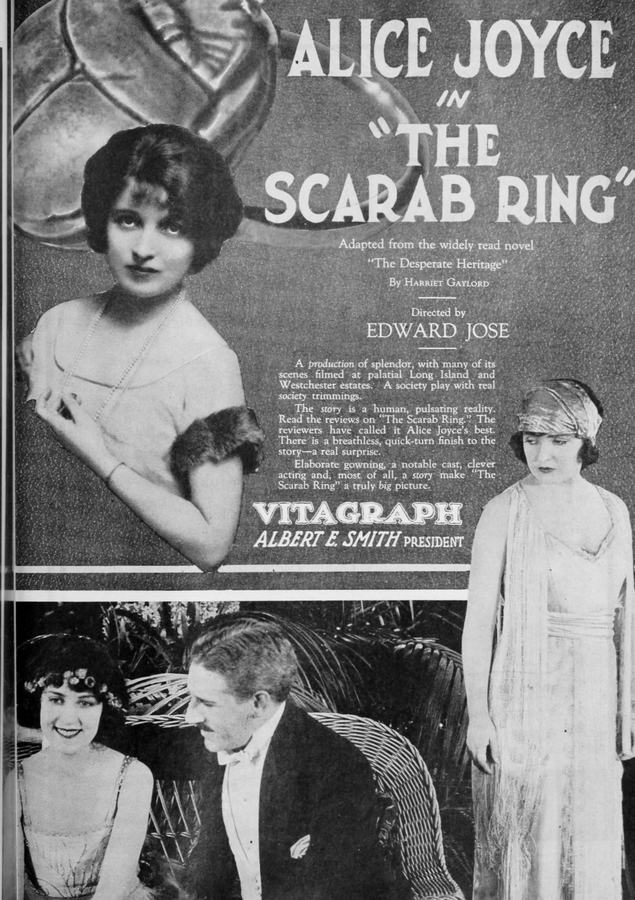
Director's Spotlight: United States
A Deep Dive into the 1921 Vision of Edward José
Analyzing The Scarab Ring (1921) requires a deep dive into the defining moment in Drama history that Edward José helped create. Defining a new era of United States artistic expression, it transcends regional boundaries to tell a universal story.
In The Scarab Ring, Edward José pushes the boundaries of conventional narrative. The film's unique approach to its subject matter has sparked endless debates and interpretations among cinephiles and critics alike.
The visual language of The Scarab Ring is defined by its use of shadows and framing, a hallmark of Edward José's style. By utilizing a 1921-era palette, the film creates an immersive experience that perfectly complements its Drama themes.
| Cinematography | High-Contrast |
| Soundtrack | Synth-Heavy |
| Editing | Rhythmic |
| Art Direction | Naturalist |
Visualizing the convergence of Edward José's style and the core Drama narrative.
Constance Randall learns from her dying father that he has been blackmailed by a cashier in his bank who has knowledge of his part in a crime, and she swears to keep the secret from her younger sister, Muriel. Hugh Martin obtains documentary proof of the crime and threatens to give it to the press unless Constance induces Muriel to marry him. On the day Martin has threatened to reveal the story he is found dead, and a scarab ring, similar to one owned by Constance, is found near the body. She is acquitted of the crime because of insufficient evidence but is later forced to admit to her lover, Ward, that she killed Martin in defense of her honor and has kept the secret. He forgives her, and she accepts his proposal of marriage.
Decades after its release, The Scarab Ring remains a vital piece of the cinematic puzzle. Its influence can be seen in countless modern works, solidifying Edward José's status as a master of the craft in United States and beyond.