
DbcultAccessing Vault...
Director's Spotlight
Senior Film Conservator
Director's Spotlight: United States
A Deep Dive into the 1924 Vision of Edward Laemmle
As we revisit the 1924 masterpiece A Tough Tenderfoot, we are struck by the atmospheric immersion that Edward Laemmle achieves throughout A Tough Tenderfoot. Exploring the nuances of the human condition with Short flair, it solidifies Edward Laemmle's reputation as a master of the craft.
In A Tough Tenderfoot, Edward Laemmle pushes the boundaries of conventional narrative. The film's unique approach to its subject matter has sparked endless debates and interpretations among cinephiles and critics alike.
The visual language of A Tough Tenderfoot is defined by its use of shadows and framing, a hallmark of Edward Laemmle's style. By utilizing a 1924-era palette, the film creates an immersive experience that perfectly complements its Short themes.
| Cinematography | Deep Focus |
| Soundtrack | Orchestral |
| Editing | Invisible |
| Art Direction | Kitsch |
Visualizing the convergence of Edward Laemmle's style and the core Short narrative.
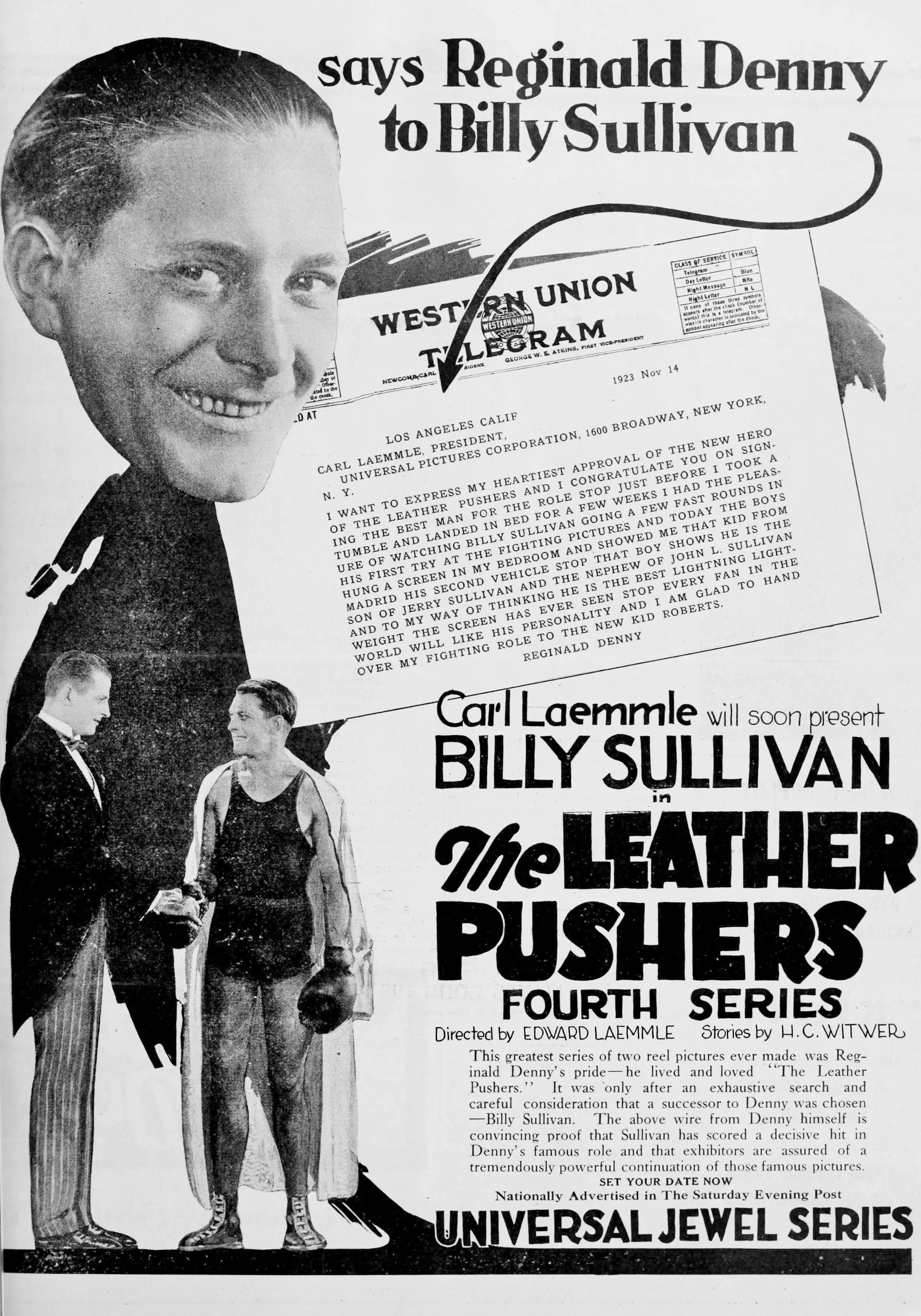
By a clause in her father's will Margaret O'Grady is to marry Hank Simmons, foreman of the O'Grady ranch unless someone is found who can beat the foreman in a fist fight. All importations fail until Margaret lassos Kid Robertson from the rear platform of an Overland Limited train bound for the coast, where the Kid is to fight a championship bout. The Kid listens to the girl's story, agrees to meet the ranch foreman and forthwith hands him a thorough beating, thus enabling the girl to marry the man of her choice.
Decades after its release, A Tough Tenderfoot remains a vital piece of the cinematic puzzle. Its influence can be seen in countless modern works, solidifying Edward Laemmle's status as a master of the craft in United States and beyond.