
DbcultAccessing Vault...
Director's Spotlight
Senior Film Conservator
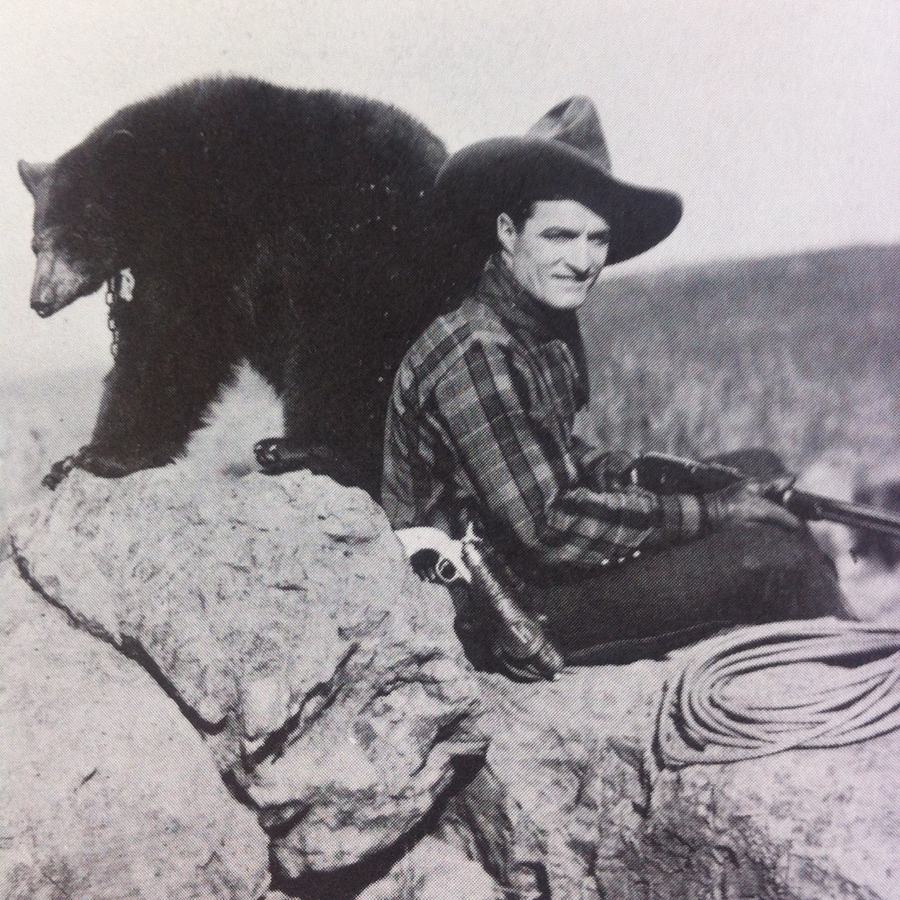
Director's Spotlight: United States
A Deep Dive into the 1919 Vision of Edward LeSaint
As a cultural artifact of the 1919s, Fighting for Gold provides the global recognition that Edward LeSaint garnered after the release of Fighting for Gold. Elevating the source material through Edward LeSaint's unique vision, it solidifies Edward LeSaint's reputation as a master of the craft.
In Fighting for Gold, Edward LeSaint pushes the boundaries of conventional narrative. The film's unique approach to its subject matter has sparked endless debates and interpretations among cinephiles and critics alike.
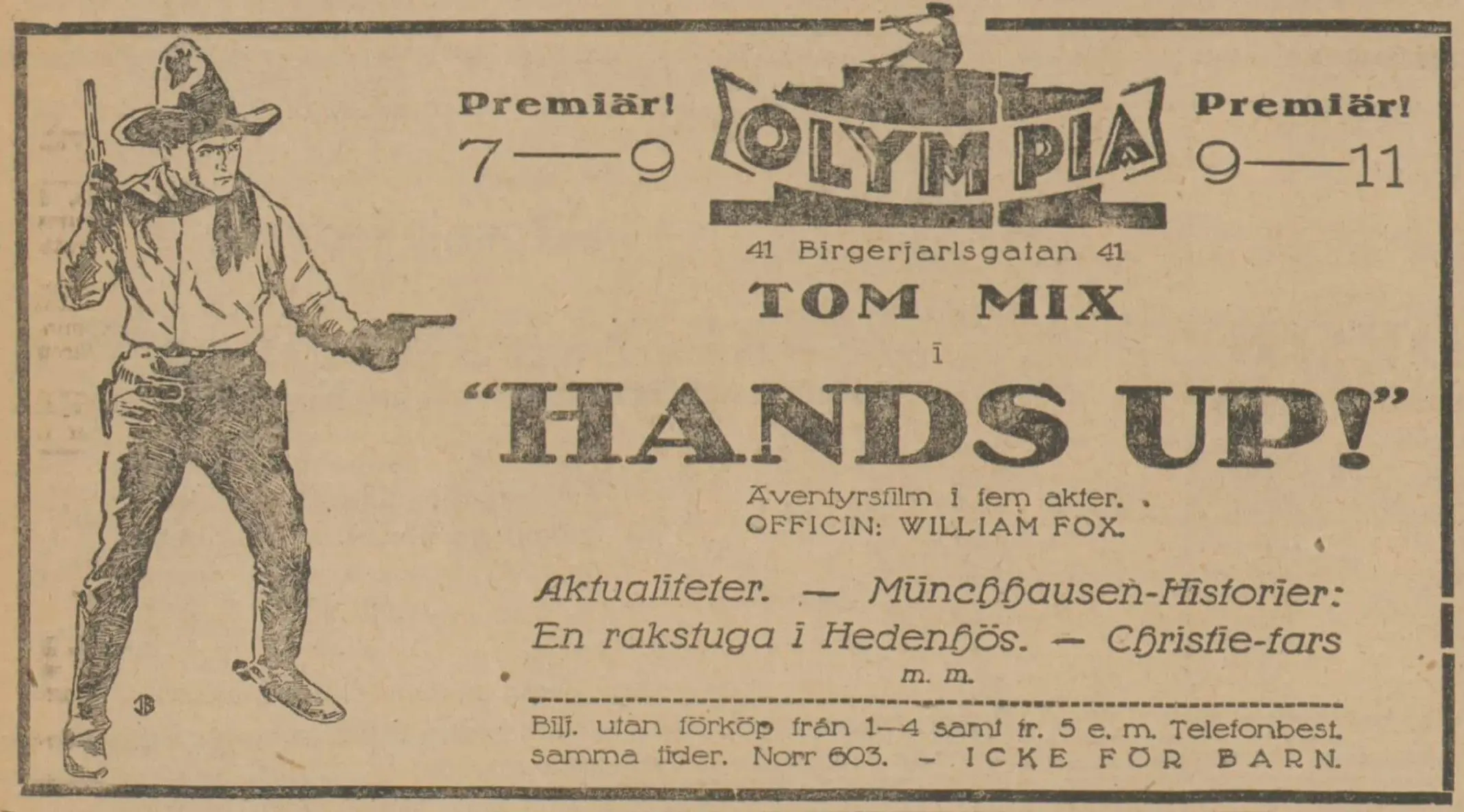
The visual language of Fighting for Gold is defined by its use of shadows and framing, a hallmark of Edward LeSaint's style. By utilizing a 1919-era palette, the film creates an immersive experience that perfectly complements its cult themes.
| Cinematography | Handheld |
| Soundtrack | Minimalist |
| Editing | Slow-Burn |
| Art Direction | Brutalist |
Visualizing the convergence of Edward LeSaint's style and the core cult narrative.
Jack Kilmeny, the heir to a British dukedom, owns a gold mine in the American west with his partner Curly Brandon, another English nobleman. Lord Farquar, the owner of a powerful British mining company, sends agents to steal their mine, but Jack fights them off. He soon meets and falls in love with Farquar's daughter Moya after saving her from a runaway wagon. Meanwhile, Curly hooks up with a disreputable dance-hall girl and Jack winds up being accused of a robbery that Curly committed to please his girlfriend. Escaping capture by the sheriff, Jack must prove his innocence of the robbery charge and stop Moya's wealthy suitor, Bobyan Verinder, from stealing his mine.
Decades after its release, Fighting for Gold remains a vital piece of the cinematic puzzle. Its influence can be seen in countless modern works, solidifying Edward LeSaint's status as a master of the craft in United States and beyond.