
DbcultAccessing Vault...
Director's Spotlight
Senior Film Conservator
Director's Spotlight: United States
A Deep Dive into the 1918 Vision of Edward LeSaint
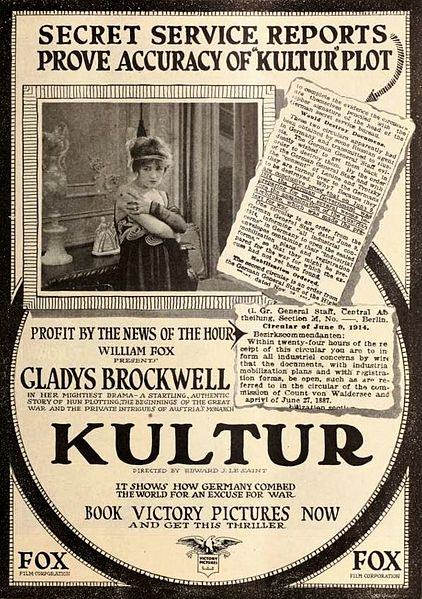
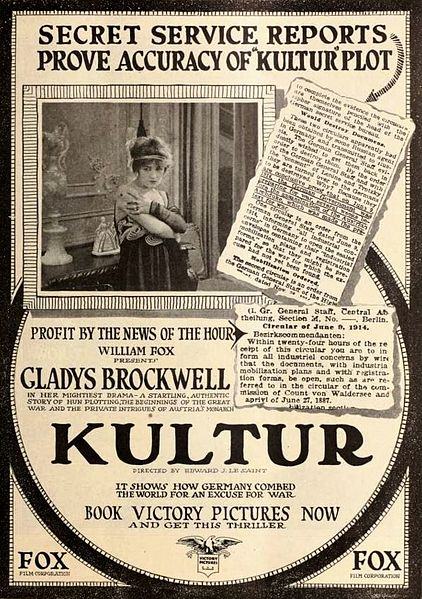
The brilliance of Kultur (1918) is inseparable from a monumental shift in cult filmmaking spearheaded by Edward LeSaint. Occupying a unique space between cult and pure art, it serves as a blueprint for future generations of cult directors.
In Kultur, Edward LeSaint pushes the boundaries of conventional narrative. The film's unique approach to its subject matter has sparked endless debates and interpretations among cinephiles and critics alike.
The visual language of Kultur is defined by its use of shadows and framing, a hallmark of Edward LeSaint's style. By utilizing a 1918-era palette, the film creates an immersive experience that perfectly complements its cult themes.
| Cinematography | High-Contrast |
| Soundtrack | Orchestral |
| Editing | Slow-Burn |
| Art Direction | Brutalist |
Visualizing the convergence of Edward LeSaint's style and the core cult narrative.
Just prior to World War I, the Kaiser sends Baron von Zeller to inform Emperor Franz Josef of Austria that he is ready to declare war on France. Sensing the impending crisis, the French War Office dispatches secret agent René de Bornay to investigate the situation, and upon his arrival, he cultivates the friendship of Franz Josef's mistress, the Countess Griselda von Arenburg. Austria's Archduke Franz Ferdinand, distressed with the countess' influence over the Emperor, resolves to get rid of her, but she learns of his plans and commissions her Serbian servant Danilo to murder him. Baron von Zeller, who loves the countess, covers up her part in the assassination and asks her to come to Berlin to serve the Kaiser as an agent. In Berlin, she again meets René, and although she has been assigned to expose him, the countess falls in love with the Frenchman and urges him to escape to France. Just as René leaves her apartment, von Zeller enters, and having learned that she hid René from the Germans, has her shot on the spot.
Decades after its release, Kultur remains a vital piece of the cinematic puzzle. Its influence can be seen in countless modern works, solidifying Edward LeSaint's status as a master of the craft in United States and beyond.