
DbcultAccessing Vault...
Director's Spotlight
Senior Film Conservator
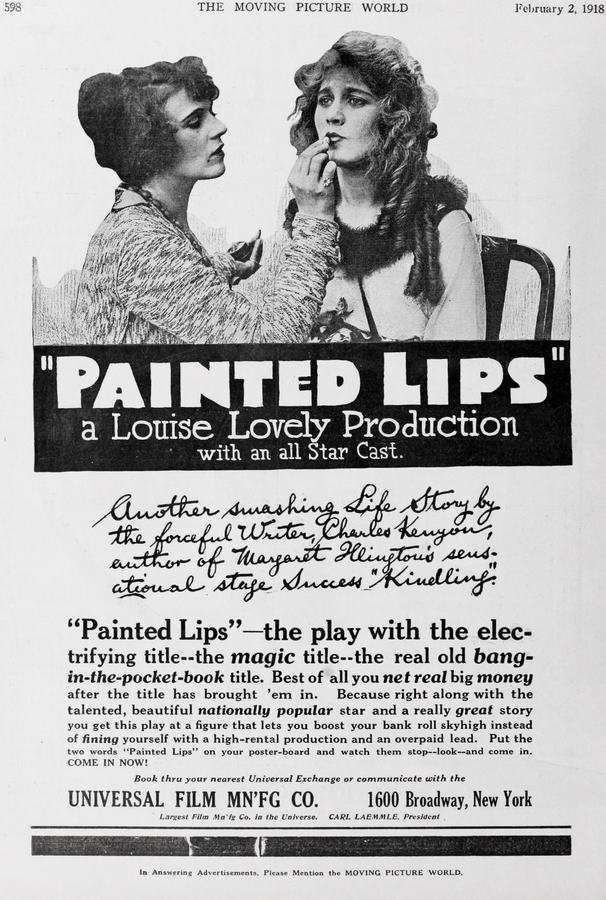
Director's Spotlight: United States
A Deep Dive into the 1918 Vision of Edward LeSaint
Exploring the cult underpinnings of Painted Lips leads us to the uncompromising vision of Edward LeSaint that defines this cult masterpiece. Melding the raw energy of United States with a global cult appeal, it echoes the profound changes occurring in United States during that era.
In Painted Lips, Edward LeSaint pushes the boundaries of conventional narrative. The film's unique approach to its subject matter has sparked endless debates and interpretations among cinephiles and critics alike.
To fully appreciate Painted Lips, one must consider the cinematic climate of 1918. During this period, United States was undergoing significant artistic shifts, and Edward LeSaint was at the forefront of this cult movement, often challenging established norms.
| Cinematography | Deep Focus |
| Soundtrack | Orchestral |
| Editing | Slow-Burn |
| Art Direction | Brutalist |
Visualizing the convergence of Edward LeSaint's style and the core cult narrative.
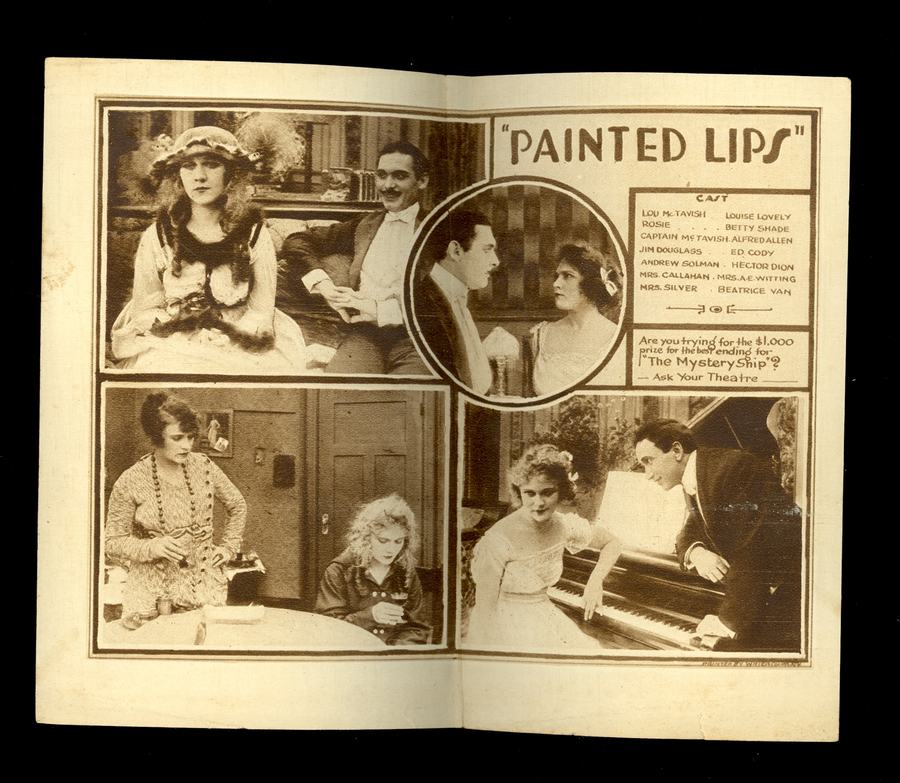
Although Lou McTavish has been reared strictly by her father, Captain McTavish, when she hears that he has been killed in a fight, she allows herself to accept the friendship of music-hall singer Rose. The two women visit a club called the Straw Cellar, where Lou attracts the attention of Jim Douglass, who plans to inflict revenge on Andrew Solman, a male vampire who once insulted his sister by encouraging him to marry a dissolute woman. Jim takes Lou to the country and for five months trains her to act "like a lady," after which he introduces her to Andrew, who proposes to Lou but she turns him down. Later, when she explains Jim's scheme to him, he assaults her. At that moment, Captain McTavish, who has spent months searching for his daughter, sees and tries to save her, but as he is losing the fight, Jim rushes in and shoots Andrew. Finally aware of Lou's true nature, Jim confesses that he loves her.
Decades after its release, Painted Lips remains a vital piece of the cinematic puzzle. Its influence can be seen in countless modern works, solidifying Edward LeSaint's status as a master of the craft in United States and beyond.