
DbcultAccessing Vault...
Director's Spotlight
Senior Film Conservator
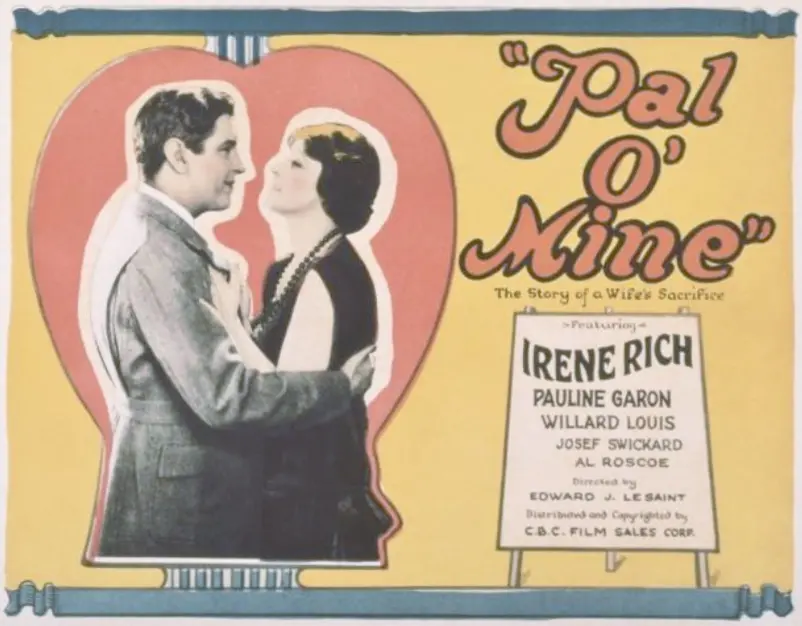
Director's Spotlight: United States
A Deep Dive into the 1924 Vision of Edward LeSaint
As we revisit the 1924 masterpiece Pal o' Mine, we are struck by the atmospheric immersion that Edward LeSaint achieves throughout Pal o' Mine. Exploring the nuances of the human condition with Drama flair, it solidifies Edward LeSaint's reputation as a master of the craft.
In Pal o' Mine, Edward LeSaint pushes the boundaries of conventional narrative. The film's unique approach to its subject matter has sparked endless debates and interpretations among cinephiles and critics alike.
The visual language of Pal o' Mine is defined by its use of shadows and framing, a hallmark of Edward LeSaint's style. By utilizing a 1924-era palette, the film creates an immersive experience that perfectly complements its Drama themes.
| Cinematography | Noir-Inspired |
| Soundtrack | Experimental |
| Editing | Elliptical |
| Art Direction | Expressionist |
Visualizing the convergence of Edward LeSaint's style and the core Drama narrative.
Opera singer Julia Montfort (Irene Rich) returns to the stage when her husband, Verdugo Montford (Josef Swickard) loses his job...and then gives him work secretly paid for by herself. When a temperamental artist Babette Hermann (Pauline Garon) reveals the secret, Verdugo becomes disillusioned. Later, though, his faith in his wife is restored.
Decades after its release, Pal o' Mine remains a vital piece of the cinematic puzzle. Its influence can be seen in countless modern works, solidifying Edward LeSaint's status as a master of the craft in United States and beyond.