
DbcultAccessing Vault...
Director's Spotlight
Senior Film Conservator
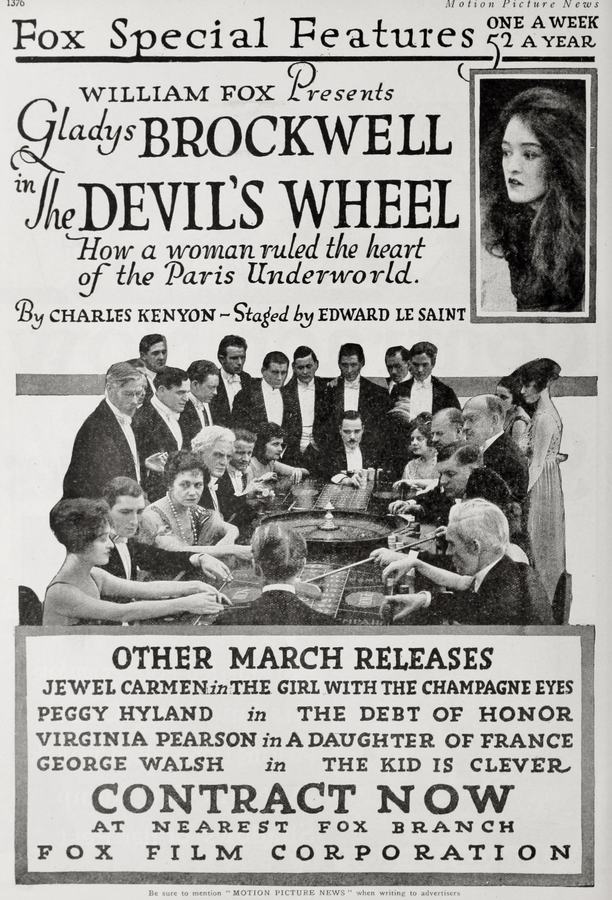
Director's Spotlight: United States
A Deep Dive into the 1918 Vision of Edward LeSaint
Few works in United States cinema carry the same weight as The Devil's Wheel, especially regarding the technical innovation that Edward LeSaint introduced to the cult format. Subverting the expectations of the typical 1918 audience, it bridges the gap between traditional cult and contemporary vision.
In The Devil's Wheel, Edward LeSaint pushes the boundaries of conventional narrative. The film's unique approach to its subject matter has sparked endless debates and interpretations among cinephiles and critics alike.
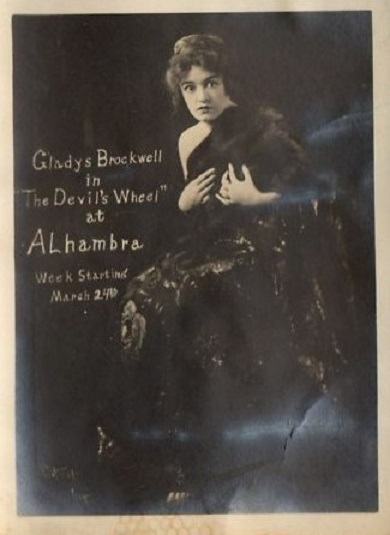
To fully appreciate The Devil's Wheel, one must consider the cinematic climate of 1918. During this period, United States was undergoing significant artistic shifts, and Edward LeSaint was at the forefront of this cult movement, often challenging established norms.
| Cinematography | Handheld |
| Soundtrack | Diegetic |
| Editing | Rhythmic |
| Art Direction | Naturalist |
Visualizing the convergence of Edward LeSaint's style and the core cult narrative.
De Guise visits the Paris home of the Marquis Henry De Montfort to obtain the marquis' system of beating the roulette wheel. In the struggle, De Guise kills the marquis and then abducts his daughter Blanche, who has fainted. On the road, De Guise is knocked unconscious in a fight with the "Stag," a leader of the Paris underworld, and the latter takes Blanche to his den in the slums. Blanche awakens with no recollection of what has transpired and begins a new life with the Stag. Using her father's roulette system, the two soon make a fortune and enter Paris' select gambling society. Blanche meets De Guise, stabs him, and is arrested, but an operation for "pressure on the brain" saves her from prison and restores her memory. De Guise recovers and again abducts Blanche, but the Stag comes to her rescue and, now choosing straight life, finds happiness with her.
Decades after its release, The Devil's Wheel remains a vital piece of the cinematic puzzle. Its influence can be seen in countless modern works, solidifying Edward LeSaint's status as a master of the craft in United States and beyond.