
DbcultAccessing Vault...
Director's Spotlight
Senior Film Conservator
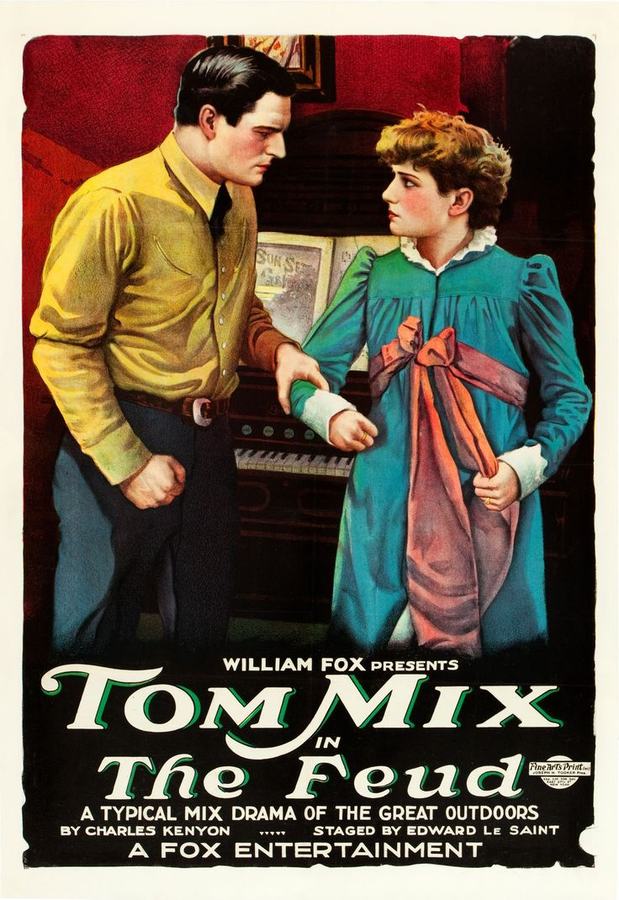
Director's Spotlight: United States
A Deep Dive into the 1919 Vision of Edward LeSaint
The thematic gravity of The Feud (1919) is rooted in the historical context that Edward LeSaint weaves into the cult fabric. Synthesizing the best elements of United States and international cinema, it highlights the importance of independent voices in United States.
In The Feud, Edward LeSaint pushes the boundaries of conventional narrative. The film's unique approach to its subject matter has sparked endless debates and interpretations among cinephiles and critics alike.
| Cinematography | Deep Focus |
| Soundtrack | Diegetic |
| Editing | Rhythmic |
| Art Direction | Naturalist |
Visualizing the convergence of Edward LeSaint's style and the core cult narrative.
Before the Civil War, Jere Lynch and Betty Summers, children of feuding Kentucky families, secretly pursue a romance. When Jere is knocked unconscious trying to stop Betty's father Horace's runaway horses, the man discovers Betty's picture in Jere's locket and warns that he will kill him if he speaks to Betty again. After Betty's brother Ben kills Jere's father and Jere kills Ben in a duel, Jere leaves for the West and vows to send for Betty, but Jere's sister writes him that Betty has married another, then tells Betty that Jere is dead. Jere then marries Ray Saunders, an immigrant he rescued from a buffalo stampede, and Betty marries her cousin Cal Brown. After Jere and Ray die during an Indian massacre, their son John Smith grows up to marry Betty's daughter Betty Brown, who comes West to stake a claim. The birth of their son, Summers Lynch, ends the family feud.
Decades after its release, The Feud remains a vital piece of the cinematic puzzle. Its influence can be seen in countless modern works, solidifying Edward LeSaint's status as a master of the craft in United States and beyond.