
DbcultAccessing Vault...
Director's Spotlight
Senior Film Conservator
Director's Spotlight: United States
A Deep Dive into the 1920 Vision of Edward LeSaint
The evocative power of The Mother of His Children stems from the unique collaboration between the bold experimentation that has become synonymous with Edward LeSaint. Framed by the hauntingly beautiful landscapes of the production, it echoes the profound changes occurring in United States during that era.
In The Mother of His Children, Edward LeSaint pushes the boundaries of conventional narrative. The film's unique approach to its subject matter has sparked endless debates and interpretations among cinephiles and critics alike.
To fully appreciate The Mother of His Children, one must consider the cinematic climate of 1920. During this period, United States was undergoing significant artistic shifts, and Edward LeSaint was at the forefront of this Crime movement, often challenging established norms.
| Cinematography | Deep Focus |
| Soundtrack | Minimalist |
| Editing | Slow-Burn |
| Art Direction | Brutalist |
Visualizing the convergence of Edward LeSaint's style and the core Crime narrative.
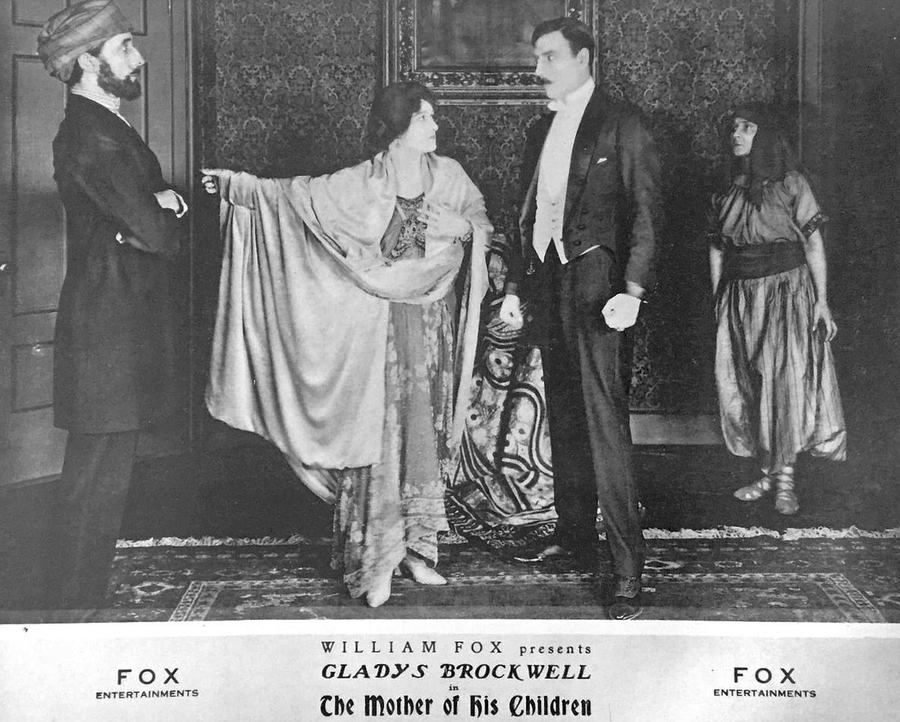
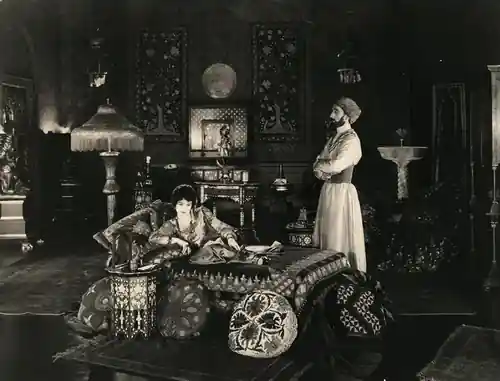
When Princess Yve comes to Paris, attended by her faithful servant Hadji, she meets sculptor Richard Arnold and the two fall in love. This drives Count Tolstoff, who also is in love with the princess, into a jealous rage. Attempting to gain revenge by destroying Richard's prize-winning statues, Tolstoff breaks into his studio but is followed by Hadji. In the ensuing scuffle, the count is killed and Richard is arrested for the crime. When the princess discovers that Richard is married, it looks as if the sculptor will lose both his love and his freedom, until the servant confesses to the crime and Richard is notified that his wife has died while on an ocean voyage. Thus freed of his bonds, the sculptor marries the princess, who then becomes the mother of his children.
Decades after its release, The Mother of His Children remains a vital piece of the cinematic puzzle. Its influence can be seen in countless modern works, solidifying Edward LeSaint's status as a master of the craft in United States and beyond.