
DbcultAccessing Vault...
Director's Spotlight
Senior Film Conservator
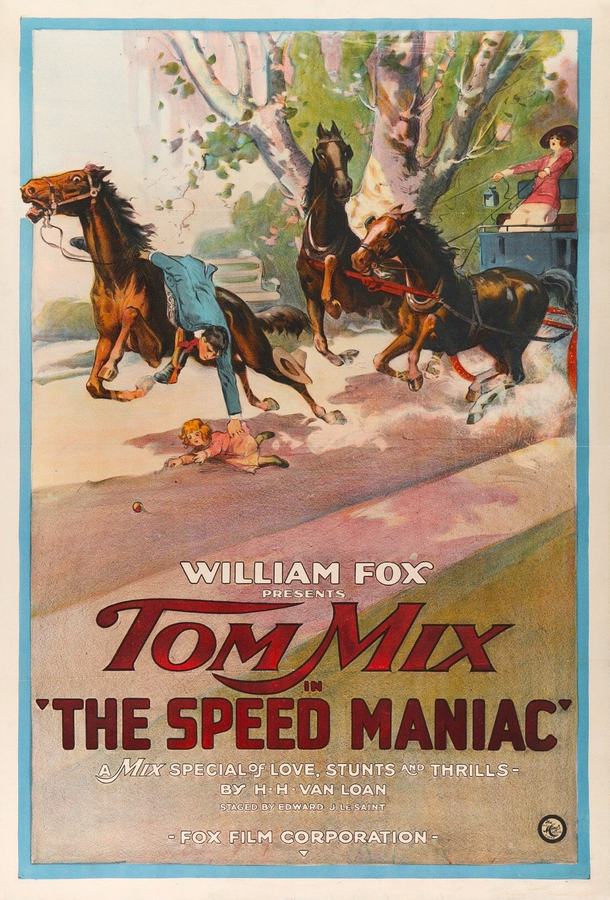
Director's Spotlight: United States
A Deep Dive into the 1919 Vision of Edward LeSaint
The brilliance of The Speed Maniac (1919) is inseparable from a monumental shift in cult filmmaking spearheaded by Edward LeSaint. Occupying a unique space between cult and pure art, it serves as a blueprint for future generations of cult directors.
In The Speed Maniac, Edward LeSaint pushes the boundaries of conventional narrative. The film's unique approach to its subject matter has sparked endless debates and interpretations among cinephiles and critics alike.
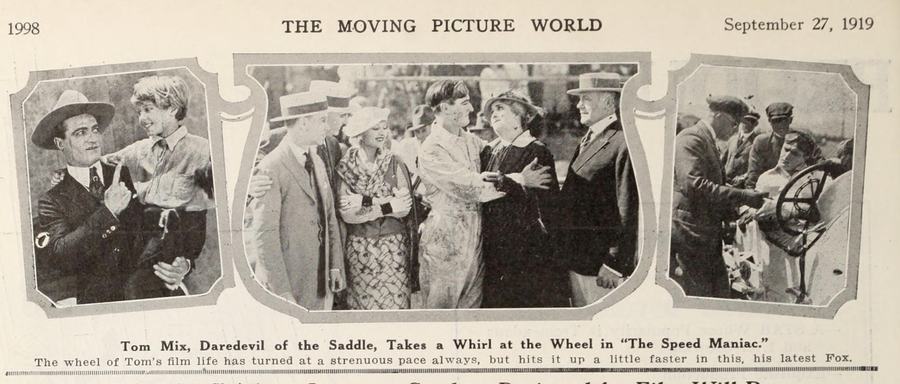
The visual language of The Speed Maniac is defined by its use of shadows and framing, a hallmark of Edward LeSaint's style. By utilizing a 1919-era palette, the film creates an immersive experience that perfectly complements its cult themes.
| Cinematography | High-Contrast |
| Soundtrack | Minimalist |
| Editing | Disjunctive |
| Art Direction | Baroque |
Visualizing the convergence of Edward LeSaint's style and the core cult narrative.
Ranch owner Billy Porter leaves the wilderness to seek his fortune in San Francisco, California with his plans for an improved automobile engine. Once in the city, Billy is cheated out of his money, but he is befriended by lame newsboy Jim McClusky and his father, prizefighter Knockout McClusky. Billy trains Knockout for an important bout against "Tiger" Doran, and bets $5,000 on his friend to win. He later meets Pearl Matthews when he stops her runaway horses in a park. On the night of the boxing match, Billy discovers that Knockout has been drugged. With the aid of automobile manufacturer John B. Prescott, Billy enters the ring and defeats Tiger. He also discovers that John is his long-lost father, who initially invited Billy to go West. After perfecting his motor, Billy enters his car in a race, which he wins, along with Pearl's love.
Decades after its release, The Speed Maniac remains a vital piece of the cinematic puzzle. Its influence can be seen in countless modern works, solidifying Edward LeSaint's status as a master of the craft in United States and beyond.