
DbcultAccessing Vault...
Director's Spotlight
Senior Film Conservator
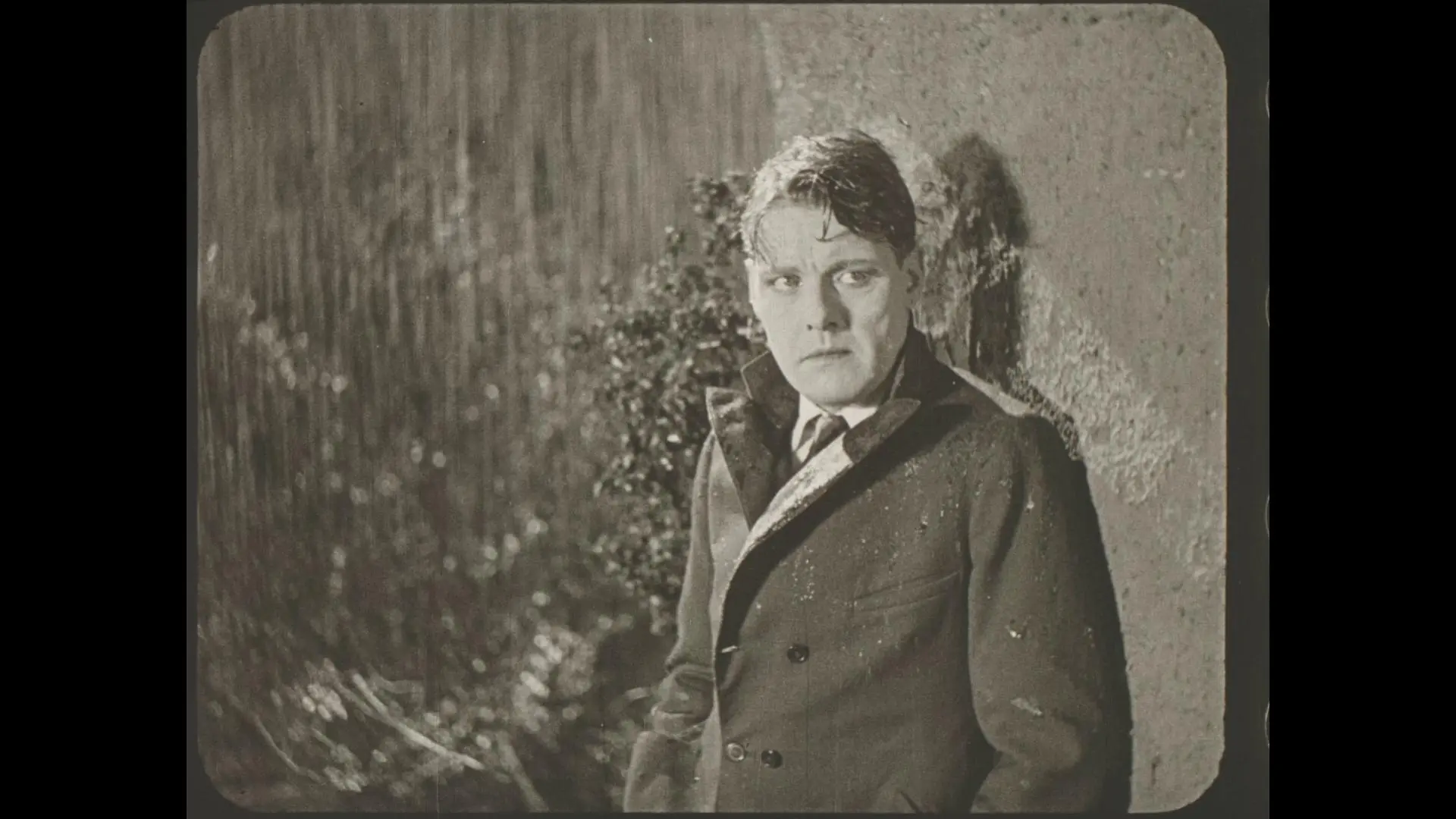
Director's Spotlight: United States
A Deep Dive into the 1925 Vision of Edward LeSaint
To understand the modern evolution of United States film, one must first look at The Unwritten Law and the meticulous attention to detail that Edward LeSaint applied to every frame. Reflecting the political and social shifts of the 1925s, it showcases the power of Crime as a tool for social commentary.
In The Unwritten Law, Edward LeSaint pushes the boundaries of conventional narrative. The film's unique approach to its subject matter has sparked endless debates and interpretations among cinephiles and critics alike.
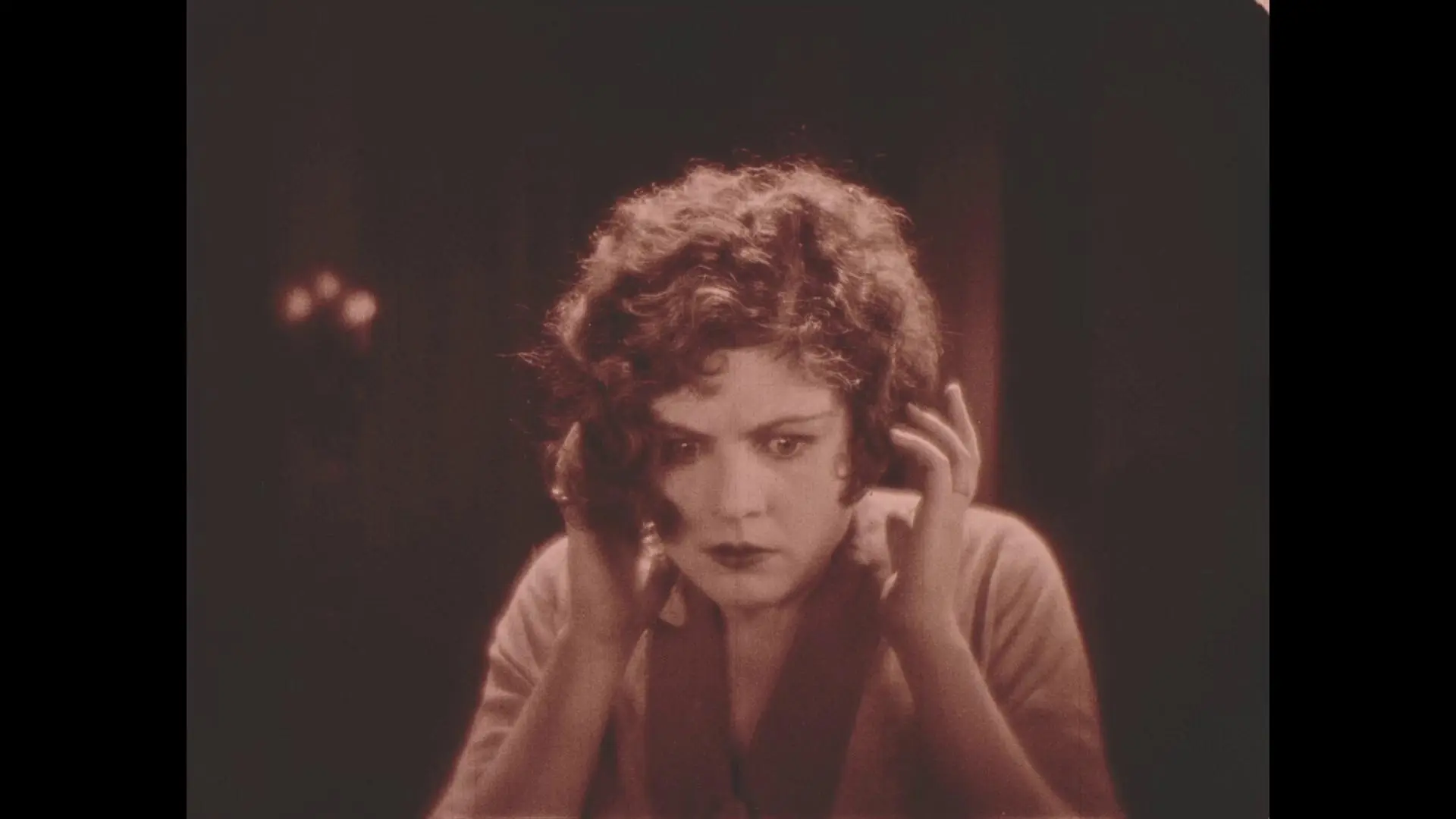
In this work, Edward LeSaint explores the intersection of Crime and United States cultural identity. The meticulous attention to detail suggests a deep-seated commitment to pushing the boundaries of the medium, ensuring that The Unwritten Law remains a relevant topic of study for Crime enthusiasts.
| Cinematography | Static |
| Soundtrack | Synth-Heavy |
| Editing | Rhythmic |
| Art Direction | Naturalist |
Visualizing the convergence of Edward LeSaint's style and the core Crime narrative.
Helen Merritt, the private secretary of John Randall, falls in love with Jack Wayne, one of Randall's employees. Having himself fallen in love with Helen, Randall sends Jack to Mexico, later faking reports that he has been killed in a saloon brawl. Randall then gets her father, an impoverished southern colonel, into his power by paying off some of the colonel's debts. Randall invites the Merritts to be his guests at his Long Island estate and persuades the brokenhearted Helen to marry him for the sake of her father's comfort. Jack returns from Mexico and arrives at Randall's estate in time to be the first to congratulate Helen on her marriage. Randall confesses his plot, but Helen decides to stay married to him rather than cause scandal. Randall is mysteriously murdered, and, despite Jack's false and noble confession, Helen is arrested. Miss Grant, Randall's housekeeper, confesses to the crime, however, telling the sheriff that Randall went back on his promise to give her child a name.
Decades after its release, The Unwritten Law remains a vital piece of the cinematic puzzle. Its influence can be seen in countless modern works, solidifying Edward LeSaint's status as a master of the craft in United States and beyond.