
DbcultAccessing Vault...
Director's Spotlight
Senior Film Conservator
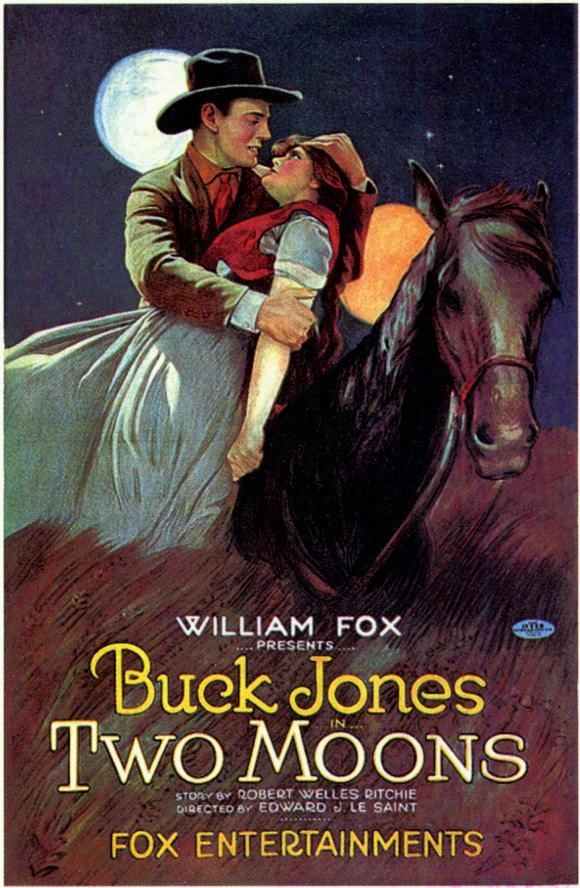
Director's Spotlight: United States
A Deep Dive into the 1920 Vision of Edward LeSaint
Deciphering the layers of Two Moons (1920) reveals the complex thematic architecture established by Edward LeSaint. Utilizing a 1920-specific aesthetic that remains timeless, it stands as the definitive 1920 statement on cult identity.
In Two Moons, Edward LeSaint pushes the boundaries of conventional narrative. The film's unique approach to its subject matter has sparked endless debates and interpretations among cinephiles and critics alike.
| Cinematography | Handheld |
| Soundtrack | Diegetic |
| Editing | Elliptical |
| Art Direction | Expressionist |
Visualizing the convergence of Edward LeSaint's style and the core cult narrative.
In Wyoming, a feud is going on between the sheep herders and the cattlemen for control of the grazing lands. Five sheep-men have been found murdered, and each has had a mysterious stone between his eyes. Sheriff Red Agnew is a hireling of the sheep interests, which only adds to the conflict. Out inspecting the land for the cattlemen he represents, Bill Blunt encounters Hilma Ring, a sheep man's daughter of the "primitive" sort. Although Bill and Hilma are at first at odds with each other, eventually they reconcile and fall in love.
Decades after its release, Two Moons remains a vital piece of the cinematic puzzle. Its influence can be seen in countless modern works, solidifying Edward LeSaint's status as a master of the craft in United States and beyond.