
DbcultAccessing Vault...
Director's Spotlight
Senior Film Conservator
Director's Spotlight: United States
A Deep Dive into the 1924 Vision of Edward Ludwig
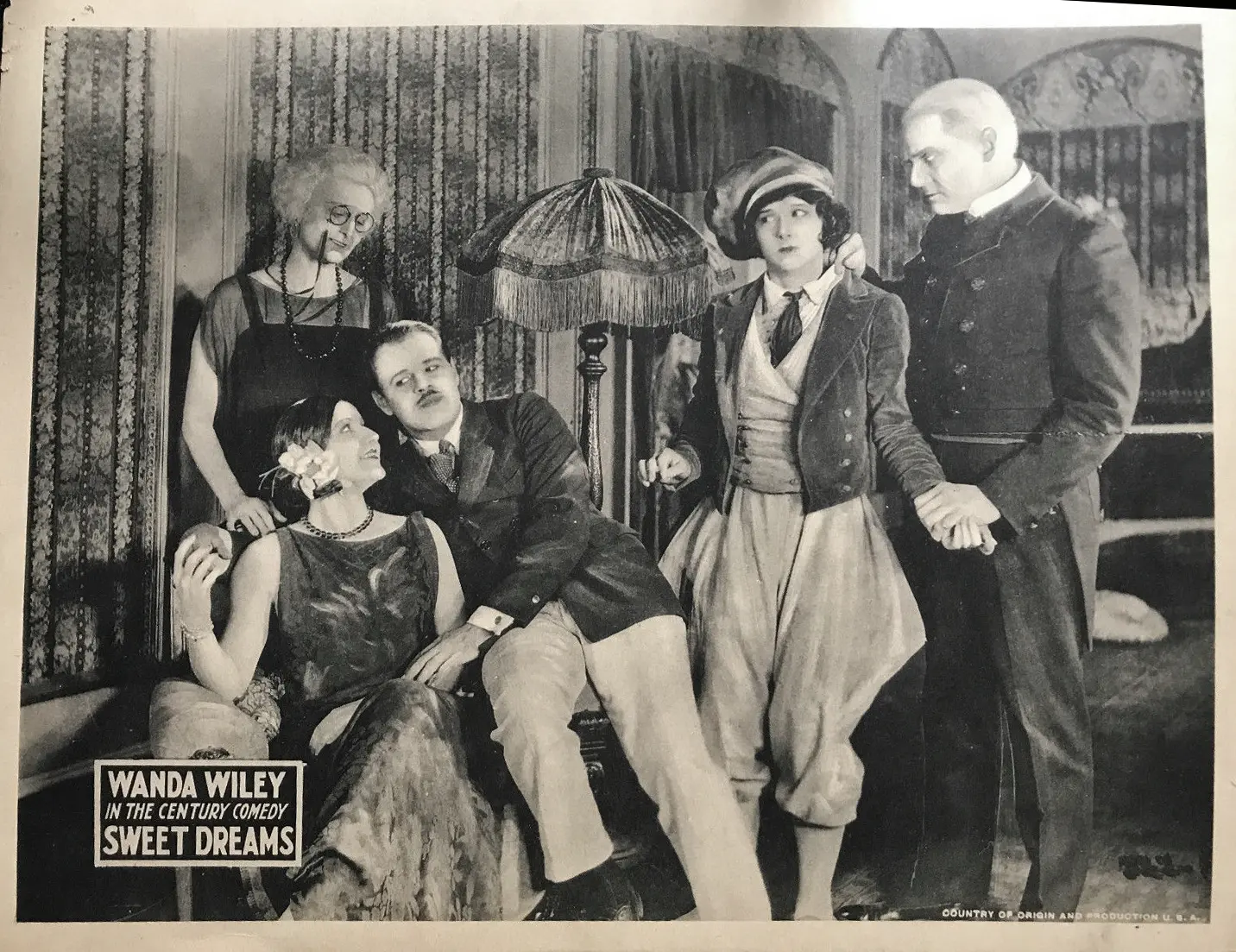
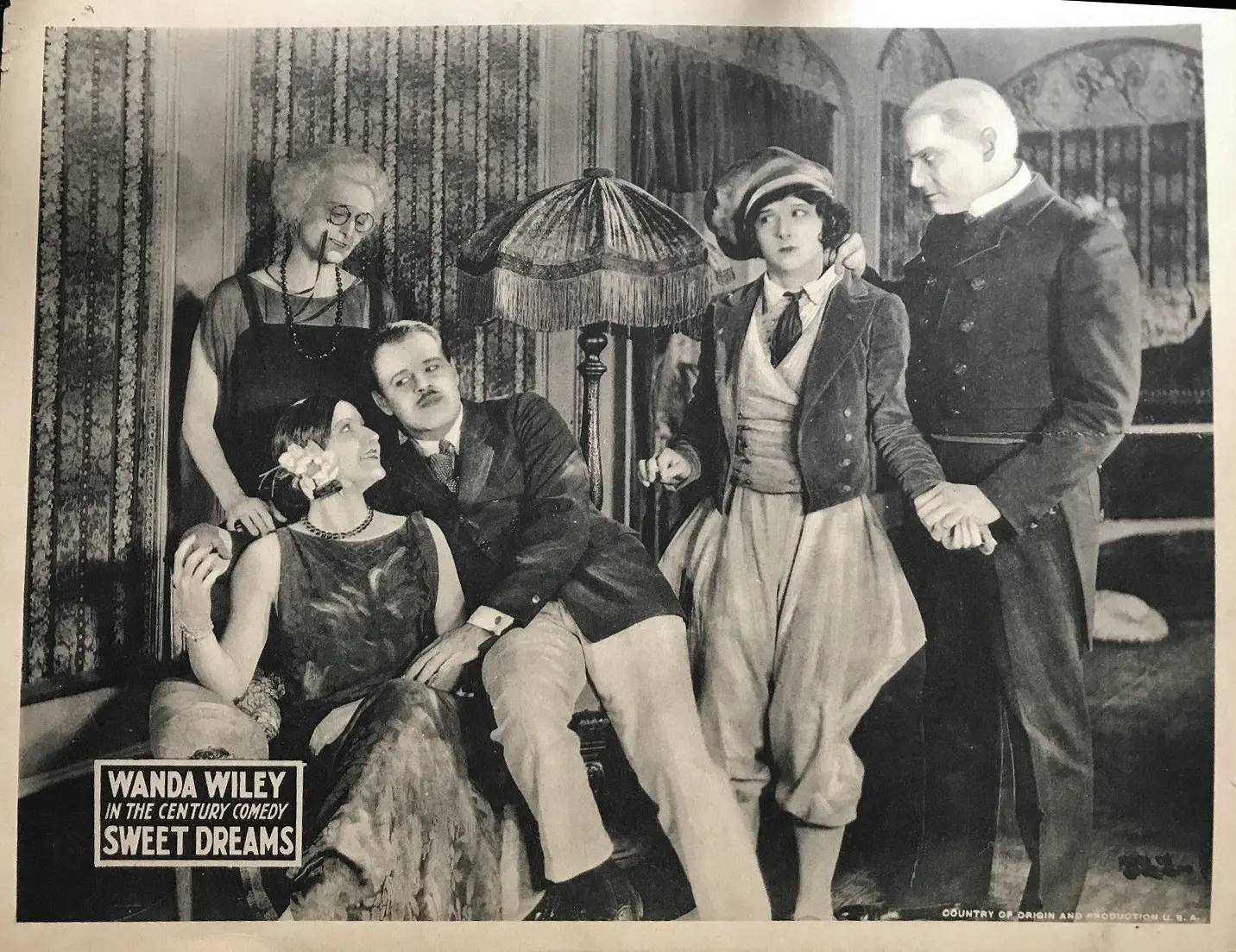
As a cultural artifact of the 1924s, Sweet Dreams provides the global recognition that Edward Ludwig garnered after the release of Sweet Dreams. Elevating the source material through Edward Ludwig's unique vision, it solidifies Edward Ludwig's reputation as a master of the craft.
In Sweet Dreams, Edward Ludwig pushes the boundaries of conventional narrative. The film's unique approach to its subject matter has sparked endless debates and interpretations among cinephiles and critics alike.
While deeply rooted in United States, Sweet Dreams has achieved a global reach, influencing directors from various backgrounds. Its ability to translate Short tropes into a universal cinematic language is why it remains a cult staple decades after its 1924 release.
| Cinematography | Handheld |
| Soundtrack | Orchestral |
| Editing | Invisible |
| Art Direction | Kitsch |
Visualizing the convergence of Edward Ludwig's style and the core Short narrative.
Wanda falls in love with a lawyer, whose car she "borrows." He has been forced into an engagement by his mother to a society vamp. While delivering the wash to her wealthy rival's home, Wanda horns in on a swagger entertainment and breaks up the show by pinch-hitting as a jazz dancer. Later Wanda - she is the rightful owner of her rival's wealth on account of a mix-up when a hospital nurse accidentally substituted their identification tags - races by auto, motorbike and horseback to stop the wedding of her sweetheart to her rival. Arriving at the rival's home, Wanda kidnaps the minister and bridegroom and - marries the latter herself.
Decades after its release, Sweet Dreams remains a vital piece of the cinematic puzzle. Its influence can be seen in countless modern works, solidifying Edward Ludwig's status as a master of the craft in United States and beyond.