
DbcultAccessing Vault...
Director's Spotlight
Senior Film Conservator
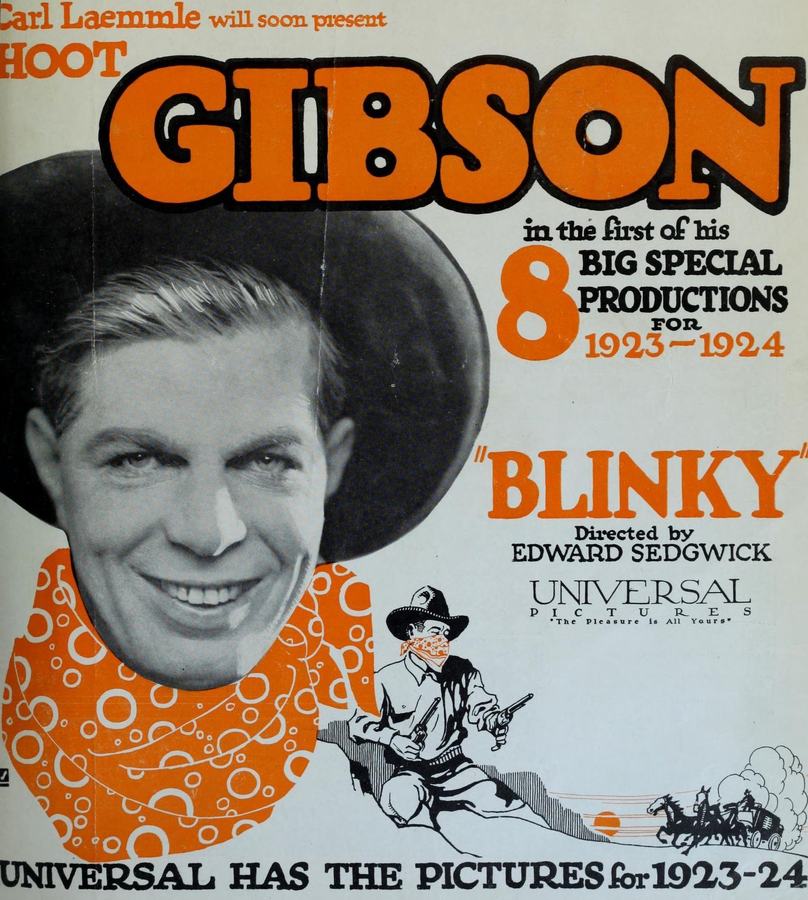
Director's Spotlight: United States
A Deep Dive into the 1923 Vision of Edward Sedgwick
The evocative power of Blinky stems from the unique collaboration between the subversive storytelling techniques employed by Edward Sedgwick in 1923. Synthesizing the best elements of United States and international cinema, it reminds us of the fragility and beauty of the 1923s.
In Blinky, Edward Sedgwick pushes the boundaries of conventional narrative. The film's unique approach to its subject matter has sparked endless debates and interpretations among cinephiles and critics alike.
The visual language of Blinky is defined by its use of shadows and framing, a hallmark of Edward Sedgwick's style. By utilizing a 1923-era palette, the film creates an immersive experience that perfectly complements its Western themes.
| Cinematography | Deep Focus |
| Soundtrack | Orchestral |
| Editing | Invisible |
| Art Direction | Kitsch |
Visualizing the convergence of Edward Sedgwick's style and the core Western narrative.
Geoffrey Arbuthnot Islip " Blinky " (Hoot Gibson), the bespectacled son of Col. "Raw Meat" Islip, is scorned by his fellow cavalrymen stationed on the Mexican border because his previous military experience was as a Boy Scout. He redeems himself by rescuing Major Kileen's daughter Mary Lou (Esther Ralston), from kidnappers, following their trail in Boy Scout fashion.
Decades after its release, Blinky remains a vital piece of the cinematic puzzle. Its influence can be seen in countless modern works, solidifying Edward Sedgwick's status as a master of the craft in United States and beyond.