
DbcultAccessing Vault...
Director's Spotlight
Senior Film Conservator
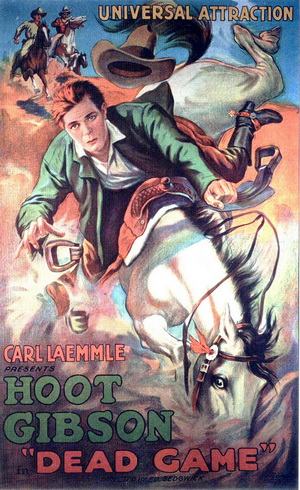
Director's Spotlight: United States
A Deep Dive into the 1923 Vision of Edward Sedgwick
The thematic gravity of Dead Game (1923) is rooted in the historical context that Edward Sedgwick weaves into the Western fabric. Synthesizing the best elements of United States and international cinema, it highlights the importance of independent voices in United States.
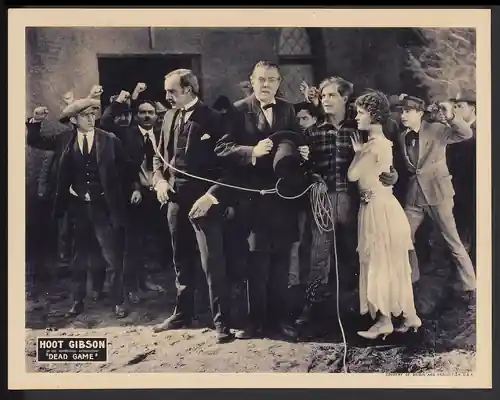
In Dead Game, Edward Sedgwick pushes the boundaries of conventional narrative. The film's unique approach to its subject matter has sparked endless debates and interpretations among cinephiles and critics alike.
| Cinematography | Deep Focus |
| Soundtrack | Minimalist |
| Editing | Slow-Burn |
| Art Direction | Brutalist |
Visualizing the convergence of Edward Sedgwick's style and the core Western narrative.
"Katy" Didd is in love with Alice, but her guardian wishes her to marry Tetlow, an influential man in town. Katy knows Alice will be unhappy with Tetlow, and decides to win her by force. While Alice is on her way to meet Tetlow for the wedding, Katy holds up the stage and kidnaps her. Tetlow suspects Katy and has him captured and taken to the desert to die. Katy escapes, and returns to town just in time to stop the wedding ceremony. He gallops into the church and carries Alice off with him.
Decades after its release, Dead Game remains a vital piece of the cinematic puzzle. Its influence can be seen in countless modern works, solidifying Edward Sedgwick's status as a master of the craft in United States and beyond.