
DbcultAccessing Vault...
Director's Spotlight
Senior Film Conservator
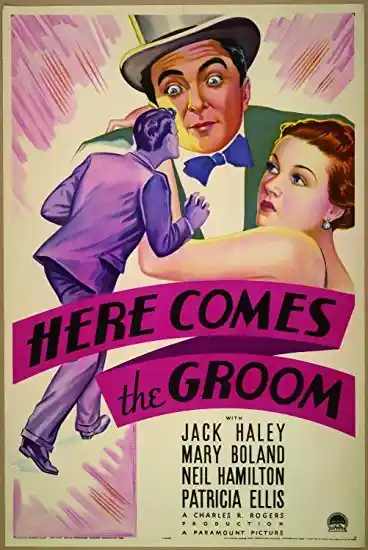
Director's Spotlight: United States
A Deep Dive into the 1934 Vision of Edward Sedgwick
When we examine the cinematic landscape of United States, Here Comes the Groom emerges as a landmark work of the enduring legacy of Edward Sedgwick's artistic contribution to the genre. Through a lens of existential fatalism and Comedy tropes, it captures a specific kind of cinematic magic that is rarely replicated.
In Here Comes the Groom, Edward Sedgwick pushes the boundaries of conventional narrative. The film's unique approach to its subject matter has sparked endless debates and interpretations among cinephiles and critics alike.
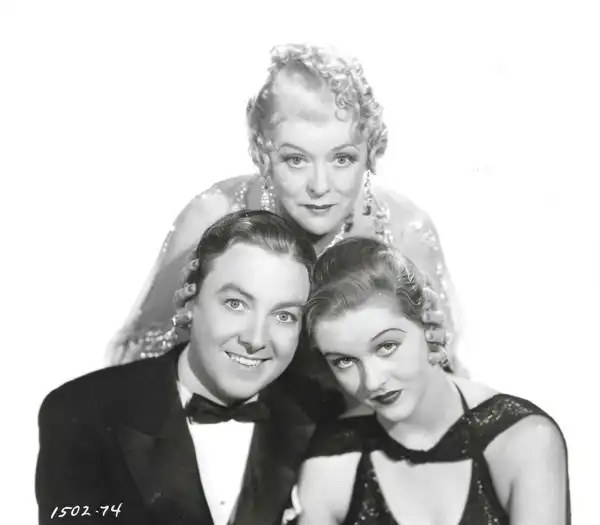
The visual language of Here Comes the Groom is defined by its use of shadows and framing, a hallmark of Edward Sedgwick's style. By utilizing a 1934-era palette, the film creates an immersive experience that perfectly complements its Comedy themes.
| Cinematography | Static |
| Soundtrack | Diegetic |
| Editing | Elliptical |
| Art Direction | Expressionist |
Visualizing the convergence of Edward Sedgwick's style and the core Comedy narrative.
Piccolo player Mike Scanlon loses his girl due to his unexciting lifestyle, so he decides to commit a robbery to gain notoriety. But the robbery goes awry and Mike finds himself on the run from the police, pretending to be a famous singer whose gimmick is wearing a mask in public.
Decades after its release, Here Comes the Groom remains a vital piece of the cinematic puzzle. Its influence can be seen in countless modern works, solidifying Edward Sedgwick's status as a master of the craft in United States and beyond.