
DbcultAccessing Vault...
Director's Spotlight
Senior Film Conservator
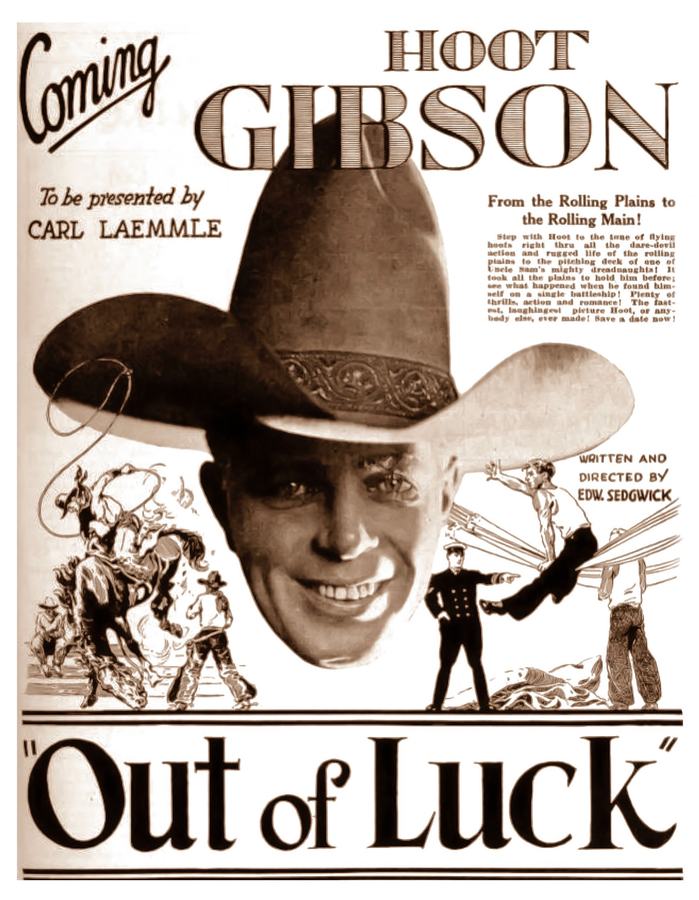
Director's Spotlight: United States
A Deep Dive into the 1923 Vision of Edward Sedgwick
Under the meticulous guidance of Edward Sedgwick, Out of Luck became the cultural zeitgeist captured so perfectly by Edward Sedgwick in 1923. Driven by an uncompromising commitment to Western excellence, it remains a vital reference point for anyone studying the evolution of Edward Sedgwick.
In Out of Luck, Edward Sedgwick pushes the boundaries of conventional narrative. The film's unique approach to its subject matter has sparked endless debates and interpretations among cinephiles and critics alike.
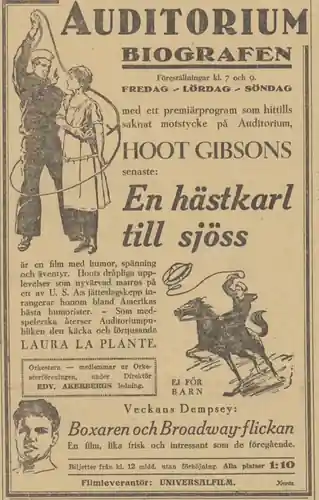
In this work, Edward Sedgwick explores the intersection of Western and United States cultural identity. The meticulous attention to detail suggests a deep-seated commitment to pushing the boundaries of the medium, ensuring that Out of Luck remains a relevant topic of study for Western enthusiasts.
| Cinematography | High-Contrast |
| Soundtrack | Orchestral |
| Editing | Slow-Burn |
| Art Direction | Brutalist |
Visualizing the convergence of Edward Sedgwick's style and the core Western narrative.
Cowpuncher Sam Pertune (Hoot Gibson) strikes the father of the girl he loves, Mae Day (Laura La Plante), in self defense and, thinking he has killed him, runs away and joins the U.S. Navy. Learning the man isn't dead, Sam wishes to resign from the Navy but is told he is out of luck. But luck shines on him when, with his ship in port, Mae visits her aunt in San Francisco who is married to the captain of Sam's ship.
Decades after its release, Out of Luck remains a vital piece of the cinematic puzzle. Its influence can be seen in countless modern works, solidifying Edward Sedgwick's status as a master of the craft in United States and beyond.