
DbcultAccessing Vault...
Director's Spotlight
Senior Film Conservator
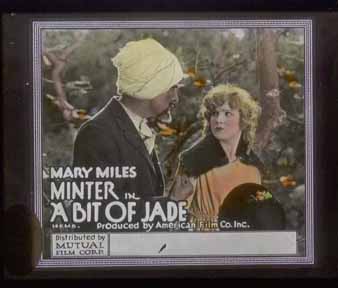
Director's Spotlight: United States
A Deep Dive into the 1918 Vision of Edward Sloman
The artistic breakthrough represented by A Bit of Jade in 1918 highlights the philosophical inquiries that Edward Sloman embeds within the narrative. Framed by the hauntingly beautiful landscapes of the production, it leaves an indelible mark on the soul of the viewer.
In A Bit of Jade, Edward Sloman pushes the boundaries of conventional narrative. The film's unique approach to its subject matter has sparked endless debates and interpretations among cinephiles and critics alike.
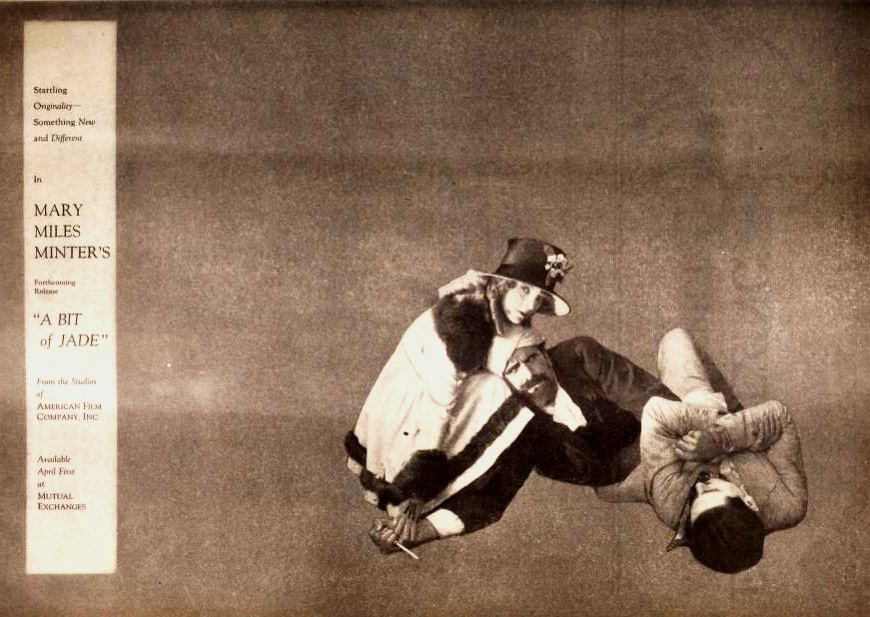
In this work, Edward Sloman explores the intersection of cult and United States cultural identity. The meticulous attention to detail suggests a deep-seated commitment to pushing the boundaries of the medium, ensuring that A Bit of Jade remains a relevant topic of study for cult enthusiasts.
| Cinematography | Deep Focus |
| Soundtrack | Minimalist |
| Editing | Slow-Burn |
| Art Direction | Brutalist |
Visualizing the convergence of Edward Sloman's style and the core cult narrative.
During lunch, Cuthbert King asks his sister Phyllis for a loan to pay off his gambling debts. Upon leaving the restaurant, he accidentally takes the overcoat of antique jewelry dealer Grayson Blair. When Phyllis is unable to pay her bill, Grayson, attracted to her, picks up the check, but after he arrives home and discovers that a valuable Hindu necklace he had stored in his coat pocket is missing, he suspects Phyllis as the crook. Dressing up in her brother's clothes, Phyllis finds the necklace, suspects her brother, and seeks out Grayson, whom she has discovered to be the jewel's owner. After a series of mix-ups during which Rhi, who has been trailing the necklace to return it to the Hindu idol from which it was stolen, tries unsuccessfully to kill Grayson, the overcoat is recognized, everything is cleared up, and Grayson and Phyllis become engaged.
Decades after its release, A Bit of Jade remains a vital piece of the cinematic puzzle. Its influence can be seen in countless modern works, solidifying Edward Sloman's status as a master of the craft in United States and beyond.