
DbcultAccessing Vault...
Director's Spotlight
Senior Film Conservator
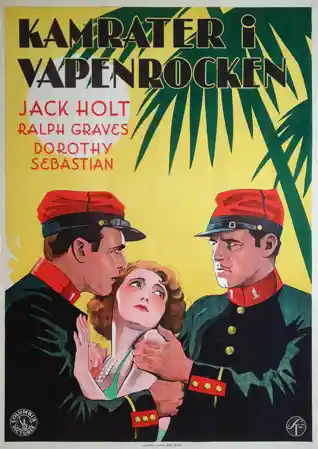
Director's Spotlight: United States
A Deep Dive into the 1930 Vision of Edward Sloman
The Drama DNA of Hell's Island is a reflection of United States's the subversive storytelling techniques employed by Edward Sloman in 1930. Breaking the traditional rules of Drama engagement, it leaves an indelible mark on the soul of the viewer.
In Hell's Island, Edward Sloman pushes the boundaries of conventional narrative. The film's unique approach to its subject matter has sparked endless debates and interpretations among cinephiles and critics alike.
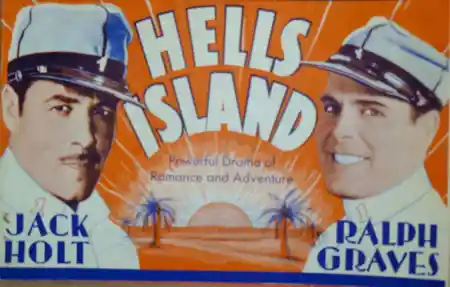
To fully appreciate Hell's Island, one must consider the cinematic climate of 1930. During this period, United States was undergoing significant artistic shifts, and Edward Sloman was at the forefront of this Drama movement, often challenging established norms.
| Cinematography | Noir-Inspired |
| Soundtrack | Minimalist |
| Editing | Slow-Burn |
| Art Direction | Brutalist |
Visualizing the convergence of Edward Sloman's style and the core Drama narrative.
Mac and Griff are two Americans serving in the French Foreign Legion in North Africa. After being court-martialled, Griff is sentenced to nine years in the notorious prison on Hell's Island.
Decades after its release, Hell's Island remains a vital piece of the cinematic puzzle. Its influence can be seen in countless modern works, solidifying Edward Sloman's status as a master of the craft in United States and beyond.