
DbcultAccessing Vault...
Director's Spotlight
Senior Film Conservator
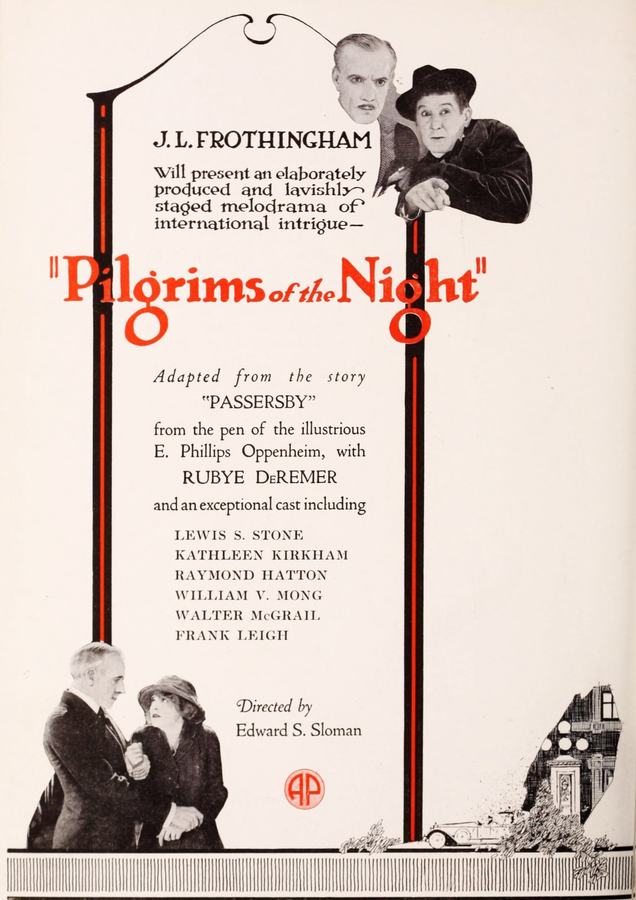
Director's Spotlight: United States
A Deep Dive into the 1921 Vision of Edward Sloman
The evocative power of Pilgrims of the Night stems from the unique collaboration between the bold experimentation that has become synonymous with Edward Sloman. Framed by the hauntingly beautiful landscapes of the production, it echoes the profound changes occurring in United States during that era.
In Pilgrims of the Night, Edward Sloman pushes the boundaries of conventional narrative. The film's unique approach to its subject matter has sparked endless debates and interpretations among cinephiles and critics alike.
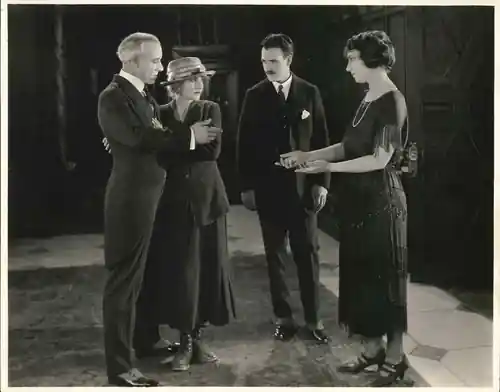
While deeply rooted in United States, Pilgrims of the Night has achieved a global reach, influencing directors from various backgrounds. Its ability to translate Drama tropes into a universal cinematic language is why it remains a cult staple decades after its 1921 release.
| Cinematography | Deep Focus |
| Soundtrack | Diegetic |
| Editing | Rhythmic |
| Art Direction | Naturalist |
Visualizing the convergence of Edward Sloman's style and the core Drama narrative.
The son of a British earl, Philip Champion is exiled to Paris after having served a prison term to shield his wife and there forms an alliance with his brother-in-law, Marcel, who conducts a fashionable gambling establishment as the head of a band of criminals. Marcel is arrested and sent to prison, and Champion escapes. Ambrose, a hunchbacked street musician, escapes with Christine, Champion's daughter, and frames Champion for robbery. While visiting Marcel, whom she believes to be her father, Christine swears to kill Champion. Gilbert Hannaway, an amateur criminologist, informs her in London that the man she seeks is now Lord Ellingham; however, in an attempt on his life, she discovers that he is her true father. Marcel escapes but is killed by Ambrose, who also dies, and the money is recovered from his street organ by a monkey. Hannaway and Christine become engaged.
Decades after its release, Pilgrims of the Night remains a vital piece of the cinematic puzzle. Its influence can be seen in countless modern works, solidifying Edward Sloman's status as a master of the craft in United States and beyond.