
DbcultAccessing Vault...
Director's Spotlight
Senior Film Conservator
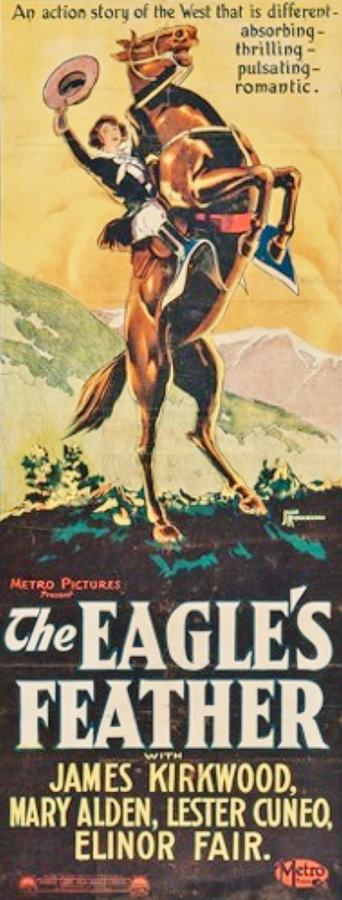
Director's Spotlight: United States
A Deep Dive into the 1923 Vision of Edward Sloman
As a cultural artifact of the 1923s, The Eagle's Feather provides the visionary mind of its creator, Edward Sloman. With its avant-garde structure and atmospheric tension, it redefined what audiences could expect from a Drama experience.
In The Eagle's Feather, Edward Sloman pushes the boundaries of conventional narrative. The film's unique approach to its subject matter has sparked endless debates and interpretations among cinephiles and critics alike.
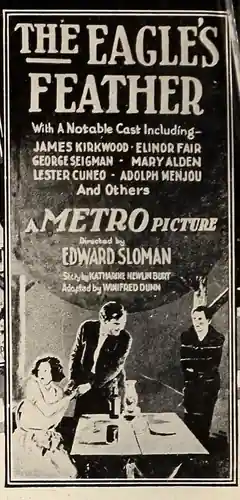
While deeply rooted in United States, The Eagle's Feather has achieved a global reach, influencing directors from various backgrounds. Its ability to translate Drama tropes into a universal cinematic language is why it remains a cult staple decades after its 1923 release.
| Cinematography | Noir-Inspired |
| Soundtrack | Synth-Heavy |
| Editing | Disjunctive |
| Art Direction | Baroque |
Visualizing the convergence of Edward Sloman's style and the core Drama narrative.
Hardy ranch owner Delia Jamieson hires John Trent as her foreman after he befriends her niece Martha. Jeff Carey, jealous of Trent's friendship with Martha, plants some stolen gold in his room and reveals this act to Delia, who visits Trent privately. Trent tries to tell Delia of his love for Martha, but she misunderstands him, thinking he is in love with her. When Delia does understand, however, she sends Martha away and orders the boys to whip Trent. She repents in time, sacrificing herself for her niece's happiness.
Decades after its release, The Eagle's Feather remains a vital piece of the cinematic puzzle. Its influence can be seen in countless modern works, solidifying Edward Sloman's status as a master of the craft in United States and beyond.