
DbcultAccessing Vault...
Director's Spotlight
Senior Film Conservator
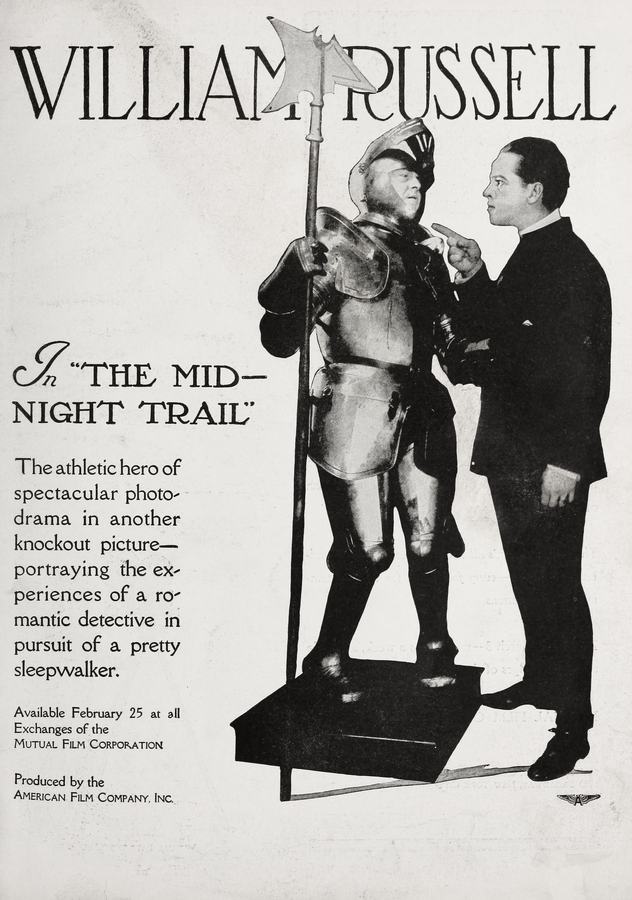
Director's Spotlight: United States
A Deep Dive into the 1918 Vision of Edward Sloman
Deciphering the layers of The Midnight Trail (1918) reveals the complex thematic architecture established by Edward Sloman. Utilizing a 1918-specific aesthetic that remains timeless, it stands as the definitive 1918 statement on cult identity.
In The Midnight Trail, Edward Sloman pushes the boundaries of conventional narrative. The film's unique approach to its subject matter has sparked endless debates and interpretations among cinephiles and critics alike.
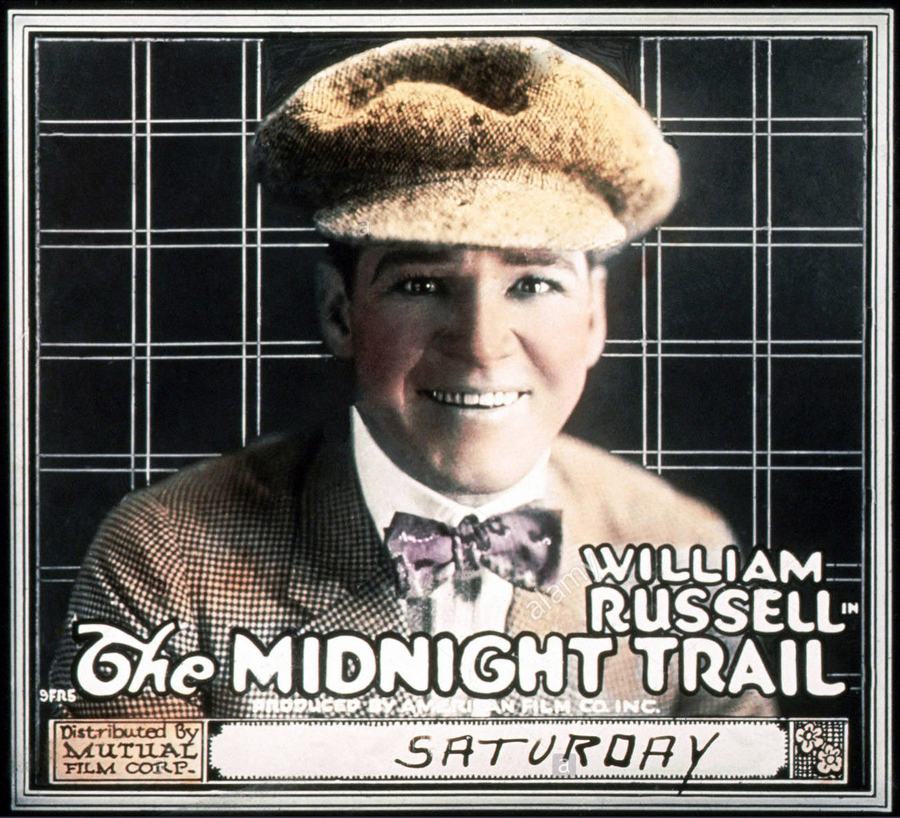
While deeply rooted in United States, The Midnight Trail has achieved a global reach, influencing directors from various backgrounds. Its ability to translate cult tropes into a universal cinematic language is why it remains a cult staple decades after its 1918 release.
| Cinematography | High-Contrast |
| Soundtrack | Orchestral |
| Editing | Invisible |
| Art Direction | Kitsch |
Visualizing the convergence of Edward Sloman's style and the core cult narrative.
Millionaire Jack Woodford, who loves a good mystery, seizes an opportunity to play Sherlock Holmes when he overhears pretty Alice Moreland, the daughter of Rev. Robert Moreland, discussing a jewel robbery in her home. Posing as detectives, Jack and his valet, Jasper Stride, visit the reverend's home, where Jack's suspicions are aroused first by Moreland's secretary, Harvey Faxon, and then by Alice's brother Harry. During the night, however, he sees Alice herself take a set of jewels from the safe, but when he tries to retrieve them from her room, Faxon enters and accuses him of robbery. He is imprisoned in the basement but soon escapes, and that night, he again sees Alice carrying jewels. As Jack approaches, he realizes that Alice is sleepwalking and that Faxon is waiting to take the jewels from her when she reaches her room. Jack and Stride capture Faxon, and Alice demonstrates her gratitude to the amateur sleuth by confessing that she loves him.
Decades after its release, The Midnight Trail remains a vital piece of the cinematic puzzle. Its influence can be seen in countless modern works, solidifying Edward Sloman's status as a master of the craft in United States and beyond.