
DbcultAccessing Vault...
Director's Spotlight
Senior Film Conservator
Director's Spotlight: United States
A Deep Dive into the 1915 Vision of Edwin August
Analyzing Evidence (1915) requires a deep dive into the defining moment in cult history that Edwin August helped create. Defining a new era of United States artistic expression, it transcends regional boundaries to tell a universal story.
In Evidence, Edwin August pushes the boundaries of conventional narrative. The film's unique approach to its subject matter has sparked endless debates and interpretations among cinephiles and critics alike.
To fully appreciate Evidence, one must consider the cinematic climate of 1915. During this period, United States was undergoing significant artistic shifts, and Edwin August was at the forefront of this cult movement, often challenging established norms.
| Cinematography | Handheld |
| Soundtrack | Minimalist |
| Editing | Slow-Burn |
| Art Direction | Brutalist |
Visualizing the convergence of Edwin August's style and the core cult narrative.
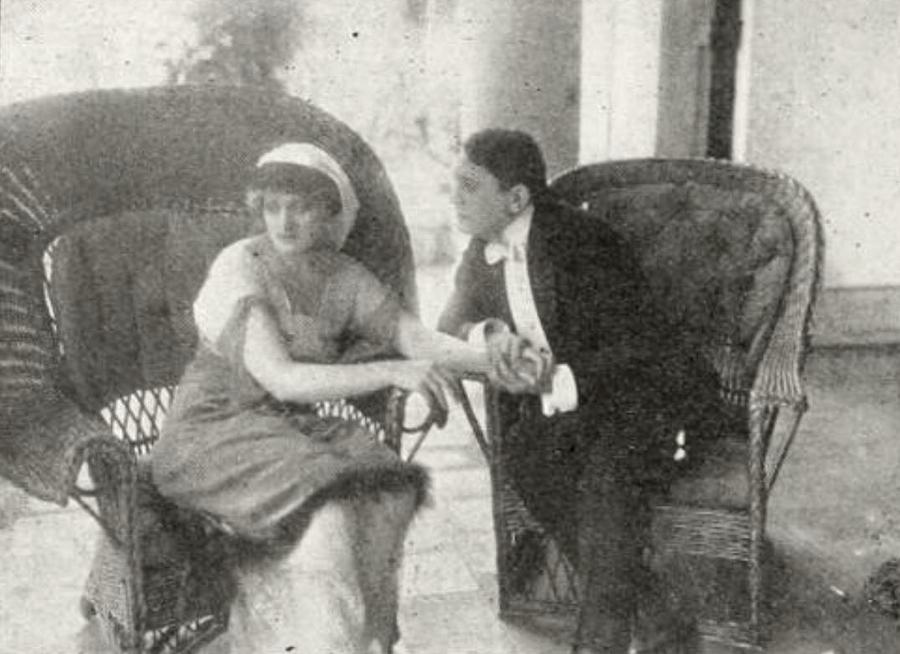
A drunken Captain Pollock attempts to seduce Lady Una at a reception celebrating the birth of her son Abington. Innocent but caught in a compromising position, Lady Una is admonished by her husband, Lord Cyril. Curley Lushington, a family friend and devotee of Lady Una, tries to reconcile the two men by soliciting an apology from Pollock, but Cyril forcefully rejects the captain. Furious at the spurn, Pollock plots to implicate Lady Una further by deviously luring her to an inn where she believes her husband lays injured. Once more Lord Cyril discovers them in an apparent embrace and demands a separation, taking Abington with him. Five years later, hearing news of Pollock's impending death, Curley procures a confession exonerating Lady Una and schemes to reunite her with Lord Cyril. The plan goes awry, and Lady Una kidnaps Abington, but thanks to the continued efforts of both their son and Curley, the couple is happily reunited.
Decades after its release, Evidence remains a vital piece of the cinematic puzzle. Its influence can be seen in countless modern works, solidifying Edwin August's status as a master of the craft in United States and beyond.