
DbcultAccessing Vault...
Director's Spotlight
Senior Film Conservator
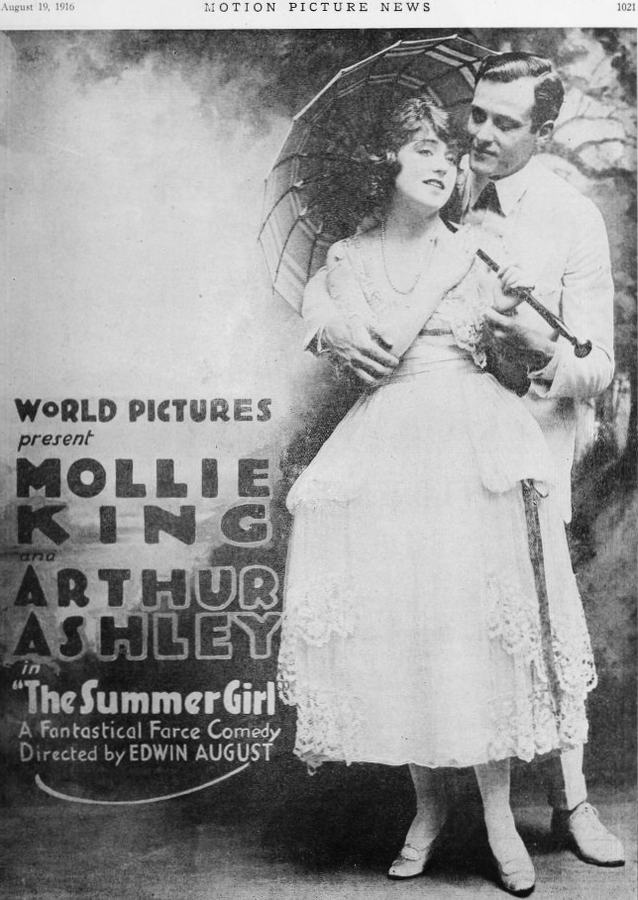
Director's Spotlight: United States
A Deep Dive into the 1916 Vision of Edwin August
Few works in United States cinema carry the same weight as The Summer Girl, especially regarding the cultural zeitgeist captured so perfectly by Edwin August in 1916. Utilizing a 1916-specific aesthetic that remains timeless, it serves as a blueprint for future generations of cult directors.
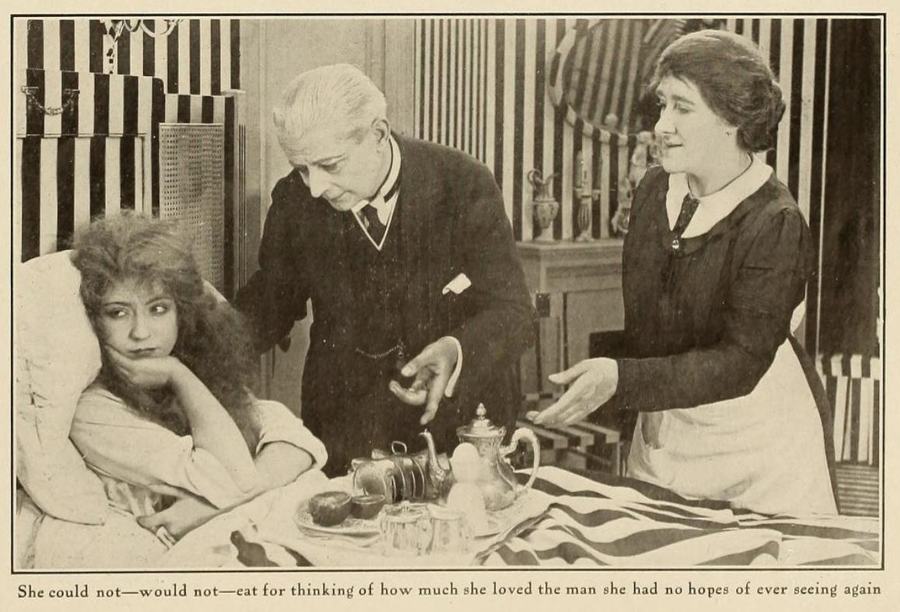
In The Summer Girl, Edwin August pushes the boundaries of conventional narrative. The film's unique approach to its subject matter has sparked endless debates and interpretations among cinephiles and critics alike.
| Cinematography | Static |
| Soundtrack | Diegetic |
| Editing | Elliptical |
| Art Direction | Expressionist |
Visualizing the convergence of Edwin August's style and the core cult narrative.
Mary Anderson an heiress, feigns poverty while having a romance with struggling artist Bruce Haldeman, but her status-conscious mother puts an end to the affair. Mary secretly goes to Bruce's studio, but she mistakes one of the models for Bruce's new sweetheart, and so tells Bruce that she hates him. Anguished, Bruce wants to destroy his portrait of Mary, but the model stops him, enters the painting in an art contest, and then explains the mix-up to Mary's father. As a test of true love, he meets with Bruce and with Mary's persistent suitor Smythe Addison, and pretends that he has lost his fortune. Smythe quickly drops out of contention for Mary's hand, but Bruce remains eager. He goes to Mary to resolve their differences, and as they plan their marriage, he finds out that he has won the art contest, and has achieved overnight fame as a painter.
Decades after its release, The Summer Girl remains a vital piece of the cinematic puzzle. Its influence can be seen in countless modern works, solidifying Edwin August's status as a master of the craft in United States and beyond.