
DbcultAccessing Vault...
Director's Spotlight
Senior Film Conservator
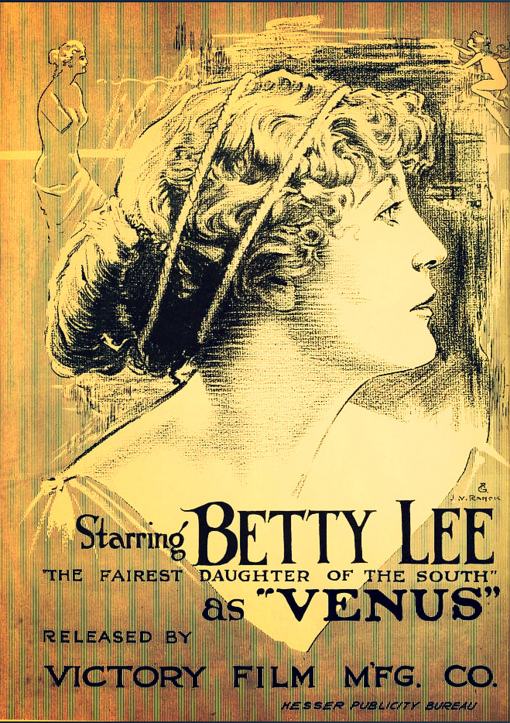
Director's Spotlight: United States
A Deep Dive into the 1918 Vision of Edwin Bower Hesser
As we revisit the 1918 masterpiece The Triumph of Venus, we are struck by the atmospheric immersion that Edwin Bower Hesser achieves throughout The Triumph of Venus. Exploring the nuances of the human condition with cult flair, it solidifies Edwin Bower Hesser's reputation as a master of the craft.
In The Triumph of Venus, Edwin Bower Hesser pushes the boundaries of conventional narrative. The film's unique approach to its subject matter has sparked endless debates and interpretations among cinephiles and critics alike.
| Cinematography | Noir-Inspired |
| Soundtrack | Orchestral |
| Editing | Invisible |
| Art Direction | Kitsch |
Visualizing the convergence of Edwin Bower Hesser's style and the core cult narrative.
Angry with Venus for rejecting his love, Jove gives the beautiful goddess of love to the ugly blacksmith Vulcan. Venus escapes, but Vulcan, seeing her with Mars, entangles them in his magic net, much to the delight of the jeering gods. Apollo releases them, and Venus takes refuge on the island of Milo, where she falls in love with a young sculptor. Venus bears the sculptor a daughter named Nea, but soon afterward, when he sees Diana bathing in a stream, she kills him. Nea grows into a lovely young woman and falls in love with Pannas, a fisherman, but Diana, who also loves Pannas, imprisons the girl in a rock. Cupid releases her, but the two are forced to undergo several more ordeals before Venus intercedes with Jove on their behalf. His anger now turned toward Diana, Jove forces her to hand the lovers the cup of immortality while the radiant Venus looks on.
Decades after its release, The Triumph of Venus remains a vital piece of the cinematic puzzle. Its influence can be seen in countless modern works, solidifying Edwin Bower Hesser's status as a master of the craft in United States and beyond.